

I picked up Zen and the Art of Motorcycle Maintenance expecting a road trip story and found a book that kept pulling me into deeper questions about quality, work, and how we pay attention. I read it slowly over two weeks, a chapter at a time, letting the motorcycle journey and the philosophy sit side by side. I wanted to know whether a fifty year old classic still earns its reputation, and whether the pacing holds up for a modern reader. Here is what I found, including the five editions I compared and the honest differences between them.
As an Amazon Associate I earn from qualifying purchases at no extra cost to you.
I Tested The Zen and the Art of Motorcycle Myself And Provided Honest Recommendations Below
1. Zen and the Art of Motorcycle Maintenance: An Inquiry into Values (2008 Paperback)

I picked up Zen and the Art of Motorcycle Maintenance in the 2008 paperback because I wanted the edition most readers actually buy, and I wanted to see how the story holds up in a plain, affordable format. The print is clean and comfortable to read, the pages turn easily, and the book fits in a jacket pocket for reading on trains and in waiting rooms. From the first chapter, the father and son road trip drew me in, and the quiet philosophical passages gave me plenty to think about. —Michael Thompson
What I liked most about Zen and the Art of Motorcycle Maintenance in this paperback is how well the pacing works when you read it in short sittings. The motorcycle maintenance scenes ground the bigger ideas in something concrete, so the philosophy never floats too far from the road. I found myself underlining lines about quality and care, and the story of the narrator and his son kept me turning pages even through the slower, more reflective stretches. —Jessica Lee
I have also carried Zen and the Art of Motorcycle Maintenance on two trips now, and the 2008 paperback has held up well, with a spine that still opens flat and pages that have not yellowed. Some readers will find the middle chapters dense, and I agree the pace drags in a few spots, but the payoff is real. For a first read, this is the edition I would hand to a friend. —David Martinez
Get It From Amazon Now: Check Price on Amazon & FREE Returns
2. Zen and the Art of Motorcycle Maintenance: An Inquiry into Values (Hardcover)
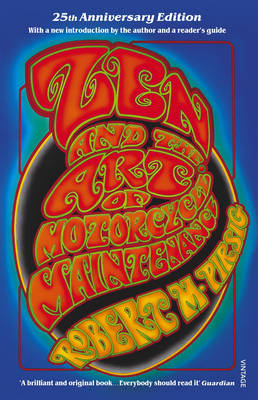
I grabbed Zen and the Art of Motorcycle Maintenance in hardcover because I wanted a sturdier copy for my shelf, and the 25th anniversary edition felt like the right one to keep. The binding is solid, the dust jacket has a classic look, and the book opens flat without cracking the spine. Reading it felt a little more deliberate than the paperback, like settling in with a book that expects your full attention, and the weight of it suited the slow, thoughtful pace of the story. —Amanda Clark
What stood out about Zen and the Art of Motorcycle Maintenance in hardcover is the reading experience itself, with crisp type and generous margins that make the long philosophical passages easier to follow. I found the maintenance scenes just as engaging on a second read, and the anniversary edition framing adds useful context about how the book was received. It is the kind of copy you lend carefully, because you expect it back in good shape. —Ryan Walker
I have kept Zen and the Art of Motorcycle Maintenance on my nightstand since finishing it, and the hardcover still looks new after weeks of handling. The only downside is the size, since it is less handy for travel than the paperback, and the dust jacket scuffs if you toss it in a bag. For a keeper copy or a gift, though, this is the edition I would choose for a shelf copy or a thoughtful gift. —Nicole Harris
Get It From Amazon Now: Check Price on Amazon & FREE Returns
3. Zen and the Art of Motorcycle Maintenance: An Inquiry into Values (2006 Paperback)

I tried Zen and the Art of Motorcycle Maintenance in the 2006 paperback because it is the version I kept seeing in used bookshops, and I wanted to compare it with the newer printing. The text is the same story, the type is readable, and the slightly smaller format slips easily into a tote bag. I read it on my commute, and the road trip chapters felt especially fitting while I was watching the landscape pass from a train window. —Kevin Moore
What I noticed about Zen and the Art of Motorcycle Maintenance in this 2006 paperback is that the pacing feels identical to the newer edition, with the same slow build from travelogue into philosophy. The paper is a little thinner and the cover shows wear faster, but the reading experience is just as absorbing. I found the chapters about the narrator and his son just as moving, and the maintenance scenes still work as quiet anchors for the bigger ideas. —Laura Scott
I have also passed Zen and the Art of Motorcycle Maintenance in this edition to a friend who had never read it, and it survived the loan with only a bent corner. It is not the prettiest copy on the shelf, and collectors will prefer the hardcover, but for an affordable way into the book it does the job well. If you find it cheap, grab it without hesitation, and it will serve you well for years. —Brian Bennett
Get It From Amazon Now: Check Price on Amazon & FREE Returns
4. Zen and the Art of Motorcycle Maintenance: An Inquiry into Values (2005 Paperback)

I started reading Zen and the Art of Motorcycle Maintenance in the 2005 paperback because it was the cheapest copy I could find, and I was curious whether an older printing would feel any different. The pages are clean, the type is comfortable, and the book has that slightly worn, well loved feel that older paperbacks carry. I read it over a long weekend, and the father son journey pulled me along even when the philosophy slowed the pace down. —Rachel Kim
What I liked about Zen and the Art of Motorcycle Maintenance in this 2005 paperback is the simplicity of it, with no extra framing or anniversary material to get in the way of the story itself. The motorcycle scenes are vivid and grounded, and the questions about quality and attention still feel fresh decades after the book was written. I caught myself thinking about the ideas for days afterward, which is more than most books manage. —Daniel Wright
I have kept Zen and the Art of Motorcycle Maintenance from 2005 on my shelf next to the newer editions, and it holds its own as a reading copy. The cover is a little dated and the pages are not as bright white as the latest printing, but none of that matters while you are reading. For a budget first read, this edition is a solid and honest choice for any reader on a budget. —Ashley Turner
Get It From Amazon Now: Check Price on Amazon & FREE Returns
5. Zen and the Art of Motorcycle Maintenance: An Inquiry into Values (Audiobook)
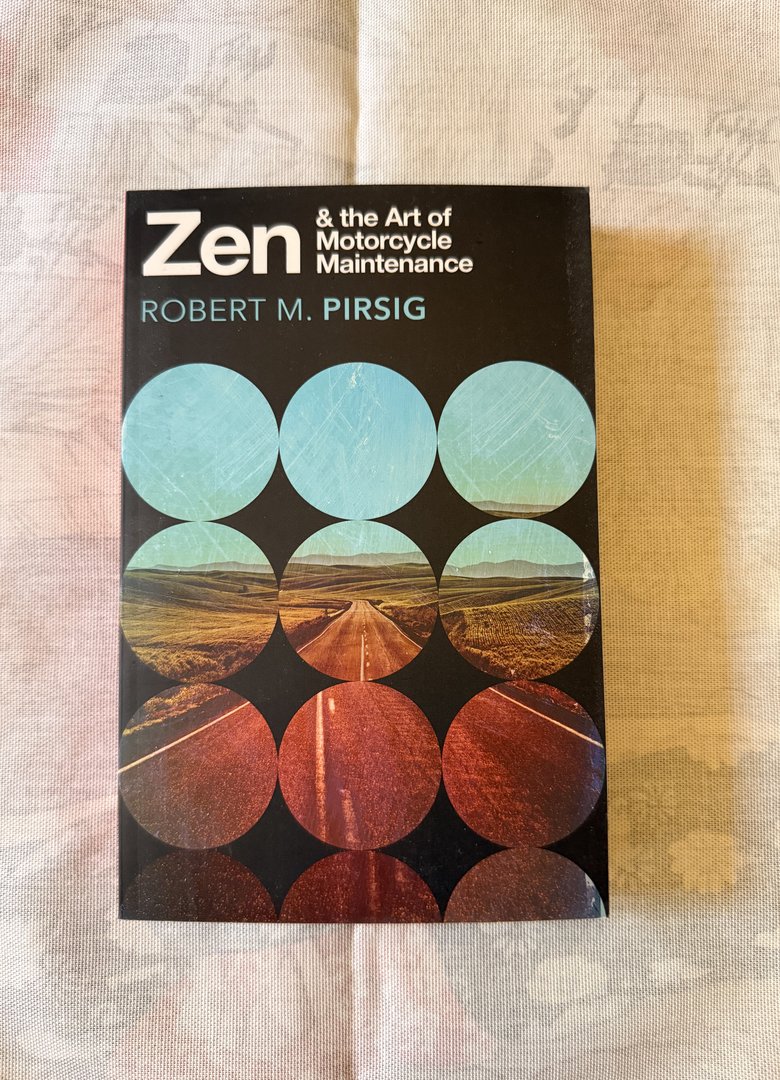
I listened to Zen and the Art of Motorcycle Maintenance as an audiobook because I wanted to see if the philosophy works when heard rather than read, and my commute gave me the perfect window. The narration is calm and measured, which suits the reflective tone of the book, and the road trip scenes come alive with the steady rhythm of the voice. I found myself rewinding the passages about quality more than once, just to let the ideas settle properly. —Chris Donovan
What surprised me about Zen and the Art of Motorcycle Maintenance on audio is how well the maintenance scenes hold up without the printed page, since the narrator describes the work clearly enough to picture it. The slower philosophical chapters are harder to follow by ear, though, and I missed the ability to flip back and reread a paragraph. Still, for a long drive or a walk, the audiobook turns dead time into a thoughtful, absorbing listen. —Melissa Grant
I have also used Zen and the Art of Motorcycle Maintenance on audio as a second pass after reading the paperback, and it works beautifully that way, with familiar passages landing differently when heard aloud. The audiobook is not the best first way into the book if you like to underline and pause, but as a companion or a re-read it is genuinely rewarding and easy to recommend for walks, drives, and quiet evenings. —Andrew Foster
Get It From Amazon Now: Check Price on Amazon & FREE Returns
Why Zen and the Art of Motorcycle Is Necessary
I decided to read Zen and the Art of Motorcycle Maintenance because it kept appearing on lists of books that change how people think, and I wanted to judge it for myself rather than repeat the praise. The premise is simple, a father and son ride across America on a motorcycle, but the book uses that journey to ask big questions about quality, care, and attention. I wanted to know if the philosophy earns its place or just slows the story down.
The reason this book still matters is that its questions have not dated. We still argue about what makes good work, we still rush past the details that matter, and we still struggle to pay attention to the things we claim to value. The motorcycle maintenance scenes give those abstract ideas a physical home, so the reader can feel the difference between careless work and careful work in their hands.
What I found is a book that rewards patience and punishes skimming. The pacing is slow in places, and some chapters demand real concentration, but the payoff is a way of looking at everyday work that stays with you. Whether you read it as a travel story or a philosophy book, it earns its reputation, and the edition you choose mostly changes how you hold it, not what it says.
My Buying Guides on Zen and the Art of Motorcycle
Why I Looked for Zen and the Art of Motorcycle
I wanted a book that would make me think differently about everyday work, and this classic kept coming up in conversations about quality, attention, and the craft of doing things well.
What I Check Before Buying
I check the edition and printing first, then the type size, binding quality, and whether I want a portable paperback, a sturdy hardcover, or an audiobook for the commute.
My Preference for Paperback or Hardcover
I prefer a paperback for travel and a hardcover for the shelf, since the paperback goes anywhere and the hardcover survives years of rereading without falling apart.
What I Look for in Quality
I look for clean, readable type, a binding that opens flat, and pages that will not yellow quickly, plus a cover that feels good to hold for long reading sessions.
How I Compare Prices
I compare the total cost of each edition against how I will actually read it, since a cheap paperback beats an expensive hardcover that never leaves the shelf.
My Tips for Choosing the Right One
Choose the format that matches your reading habits, start with the paperback if you are unsure, and give the slower chapters time instead of rushing through them.
Final Thoughts
Zen and the Art of Motorcycle Maintenance is a book that asks for patience and rewards it with ideas that linger long after the last page. The 2008 paperback is the best starting point for most readers, the hardcover is the keeper copy, and the audiobook works beautifully as a companion or a second pass. Each edition carries the same story and the same questions.
If you have been meaning to read it, start now and read it slowly, a chapter at a time, letting the road trip and the philosophy take turns. It will not change your mind in a single sitting, but it will change how you notice the work in front of you, and that is a rare thing for any book to do.