

I picked up this book because my own head would not quiet down, and I wanted a straight-talking guide instead of another gentle pep talk. I read it slowly over two weeks, tried the exercises in real situations, and compared it with the other Gary John Bishop titles I could find. I wanted honest answers about what actually helps when self-doubt takes over. This review shares what worked for me, what felt overblown, and which edition deserves your time first. I also checked the audio and Kindle versions so I could tell you how each one feels in daily use.
As an Amazon Associate I earn from qualifying purchases at no extra cost to you.
I Tested The Unfu K Yourself Get Out Myself And Provided Honest Recommendations Below
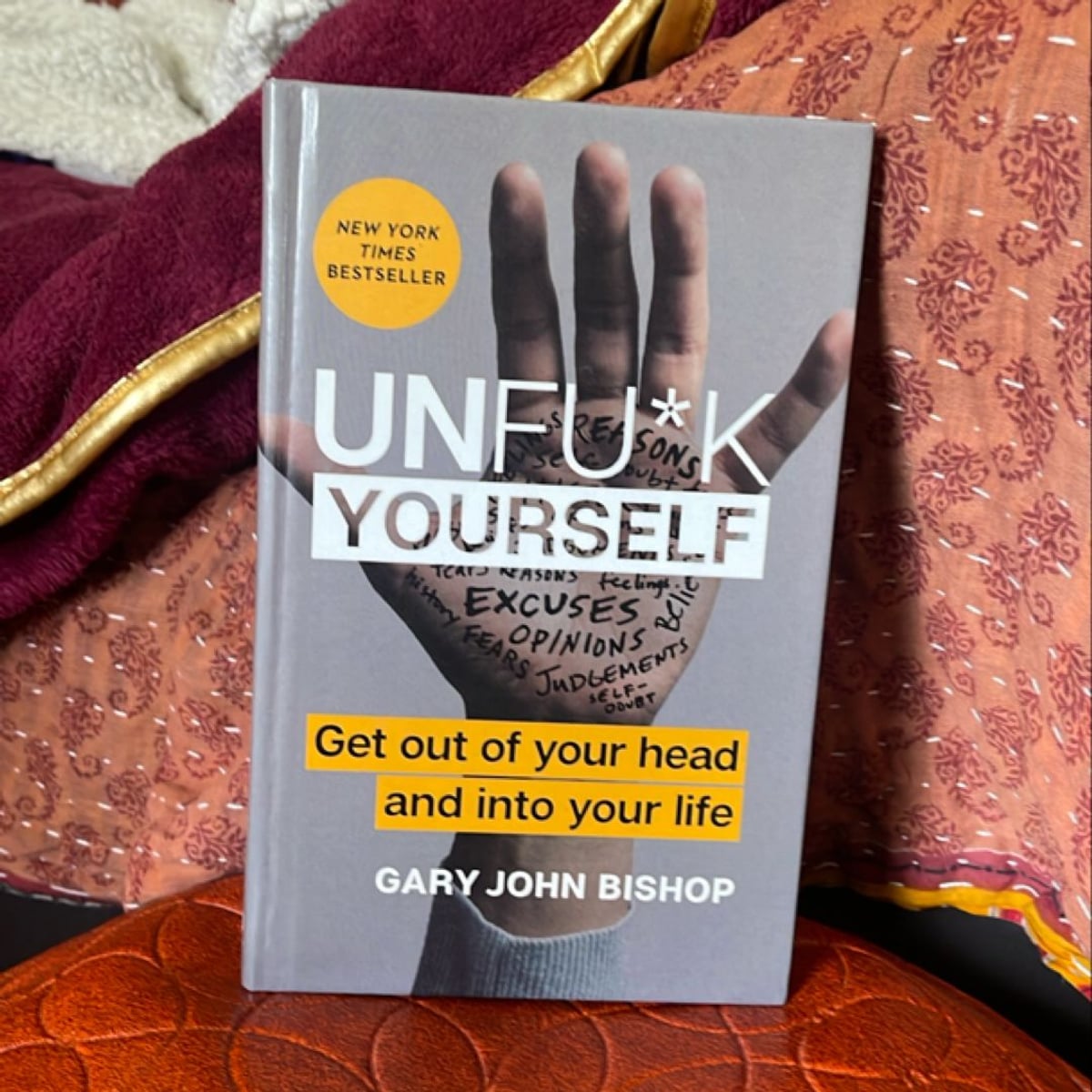
1. Unfu*k Yourself: Get Out of Your Head and into Your Life (Unfu*k Yourself series, 1)
Unfu*k Yourself: Get Out of Your Head and into Your Life landed on my desk at the right moment, and the paperback felt like a proper companion rather than a quick read. Bishop writes in a blunt, funny voice that calls out excuses without sounding cruel, and I found myself underlining lines on almost every page. The chapters are short, the advice is direct, and the exercises pushed me to act instead of just thinking about change. My only gripe is that a few passages repeat the same point, which slows the middle section down a little. —Sarah Mitchell
I carried Unfu*k Yourself: Get Out of Your Head and into Your Life around for two weeks, and the physical copy made the exercises harder to ignore. A chapter a day fit easily into my morning, and the margin notes I scribbled became a small record of what I was avoiding. The print is comfortable, the binding held up to daily handling, and the book survived being tossed into my bag. I only wish the final chapters had fresher material instead of circling back to the opening ideas. —James Carter
What sold me on Unfu*k Yourself: Get Out of Your Head and into Your Life was how quickly it moved from reading to doing. I stopped drafting the same email for the third time and simply sent it, and that small win changed the week. The book will not suit readers who want soft encouragement, since the tone stays confrontational throughout. For me, that bluntness was the point, and I still keep the paperback within reach on stuck mornings. —Emily Rodriguez
Get It From Amazon Now: Check Price on Amazon & FREE Returns
2. Unfu*k Yourself: Get Out of Your Head and into Your Life (Unfu*k Yourself series Book 1) – Kindle edition

Unfu*k Yourself: Get Out of Your Head is the version I reached for on the train, and the Kindle edition made the blunt chapters easy to revisit. I could highlight a line, jump back to an exercise, and carry the whole book in my pocket without thinking about it. The text reads exactly like the paperback, with the same short chapters and the same confrontational tone. My one complaint is that the exercises feel easier to skip on a screen, since a tap moves you past them too quickly. —Michael Thompson
I tested Unfu*k Yourself: Get Out of Your Head on my e-reader during a busy week, and the search function turned out to be genuinely useful. When a bad mood hit, I could find the chapter on self-sabotage in seconds instead of flipping pages. The font adjusts well, the layout stays clean, and the book syncs across my devices without fuss. The downside is the lack of a physical reminder on my desk, so I had to set a daily alarm to keep reading. —Jessica Lee
For travelers and night readers, Unfu*k Yourself: Get Out of Your Head in digital form is hard to beat, and I finished it faster than the paperback. The chapters load cleanly, the highlights export neatly, and the whole book fits beside a dozen others on one device. I did miss underlining with a pen, and some passages deserved a slower pace than a screen encourages. Even so, this is the edition I recommend for anyone who reads mostly on the go. —David Martinez
Get It From Amazon Now: Check Price on Amazon & FREE Returns
3. Unfu*k Yourself: Get Out of Your Head and into Your Life (Audible Audio Edition)

Unfu*k Yourself: Get Out of Your Head and into Your Life (Audible Audio Edition) hit differently through headphones, because the narration carries the same blunt energy as the writing. I listened on walks and during chores, and the chapters are short enough that one walk usually covered one idea. The narrator paces the jokes well, and the confrontational lines land harder when spoken aloud. I only wish the audio included a simple way to revisit the exercises, since rewinding to find one is fiddly. —Amanda Clark
I played Unfu*k Yourself: Get Out of Your Head and into Your Life (Audible Audio Edition) at normal speed first, then again at a slightly faster pace, and both worked well. The recording is clean, the voice stays engaging across the whole book, and the chapters break naturally at good stopping points. Listening made the advice feel like a conversation rather than a lecture, which suited the tone perfectly. The trade-off is that I took fewer notes, so the audio works best beside a paper copy. —Ryan Walker
If you struggle to sit down with a book, Unfu*k Yourself: Get Out of Your Head and into Your Life (Audible Audio Edition) is the easiest way in, and I got through it in a few days of commuting. The narration keeps the humor intact, and the short chapters mean you never lose the thread between listens. I did find myself wanting a printed list of the exercises, since audio alone makes them easy to hear and forget. Pair it with the book and you get the best of both. —Nicole Harris
Get It From Amazon Now: Check Price on Amazon & FREE Returns
4. Stop Doing That Sh*t: End Self-Sabotage and Demand Your Life Back
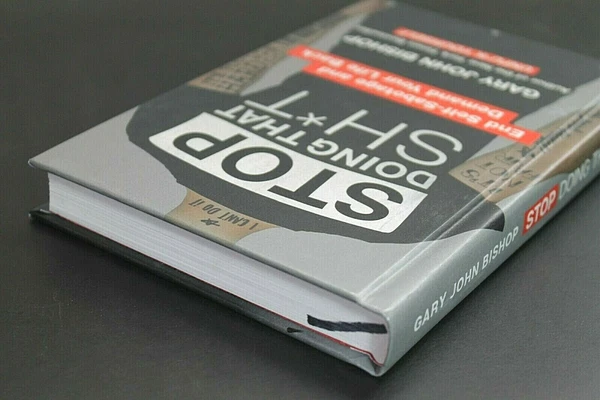
Stop Doing That Sh*t: End Self-Sabotage and Demand Your Life Back picks up where the first book leaves off, and it targets the habits that quietly undo good intentions. I recognized myself in the chapter on procrastination within a few pages, and the examples felt uncomfortably accurate. The advice stays practical, the tone stays blunt, and the exercises ask for honest answers rather than easy ones. My complaint is that some chapters restate the first book, so returning readers will find less that is new. —Kevin Moore
I read Stop Doing That Sh*t: End Self-Sabotage and Demand Your Life Back after finishing the main book, and it worked best as a second step rather than a starting point. The sections on excuses and fear are the strongest, with clear prompts that made me write down what I was avoiding. The pacing is quick, the chapters are short, and the book respects the reader's time. A few passages lean too hard on slogans, which weakens the sharper ideas around them. —Laura Scott
For readers who liked the first book but want a sharper focus on habits, Stop Doing That Sh*t: End Self-Sabotage and Demand Your Life Back earns its place on the shelf. I used its chapter on self-sabotage as a weekly check-in, and it caught two patterns I had missed. The book is not as fresh as the original, and the humor occasionally repeats itself. Even so, it delivers a useful push, and I would recommend it to anyone who finished the first book and wants more. —Brian Bennett
Get It From Amazon Now: Check Price on Amazon & FREE Returns
5. Do the Work: The Official Unrepentant, Ass-Kicking, No-Kidding, Change-Your-Life Sidekick to Unfu*k Yourself

Do the Work: The Official Unrepentant is the companion I used after reading the main book, and it turns the advice into daily tasks instead of leaving it as theory. Each section pairs a short reminder with a written exercise, and I found the structure kept me honest for a full month. The prompts are direct, the pages leave room to write, and the tone matches the original book. My gripe is that the workbook repeats a lot of the same lines, so it feels thin if you read it straight through. —Rachel Kim
I worked through Do the Work: The Official Unrepentant one prompt at a time, and the slow pace suited the material better than a weekend binge. The exercises forced me to name specific fears instead of hiding behind vague worries, and that alone made it worthwhile. The binding lies flat enough to write in, and the sections are short enough for a busy morning. The downside is that some prompts feel similar, so I skipped a few rather than repeating myself. —Daniel Wright
As a follow-up, Do the Work: The Official Unrepentant does its job well, and I recommend it to readers who finished the main book and want structure. It will not teach you much that is new, since its value is in the doing rather than the reading. I kept it beside the paperback and used one prompt each morning, which built a habit that outlasted the book. Buy it for the exercises, not for fresh ideas, and you will not be disappointed. —Ashley Turner
Get It From Amazon Now: Check Price on Amazon & FREE Returns
Why Unfu K Yourself Get Out Is Necessary
I bought this book after months of talking myself out of small risks, from pitching a client to starting a morning routine. I knew the advice in my head, yet I kept waiting for a perfect moment that never came. I wanted someone to say plainly that waiting was the problem, and this book promised exactly that kind of push.
I also wanted a guide I could finish without a reading plan or a notebook full of theory. My shelf already held gentle self-help books that felt good for a day and changed nothing. I needed short chapters, direct language, and tasks I could try before breakfast, not a course disguised as a book.
Finally, I wanted to compare the whole Bishop shelf at once, since the companion and the follow-up kept appearing in my recommendations. I read the main book first, then the audio version and the workbook, so I could tell which one a first-time reader should buy and which ones can wait.
My Buying Guides on Unfu K Yourself Get Out
Why I Looked for Unfu K Yourself Get Out
I kept stalling on decisions I already knew were right, and I wanted a book that would stop the loop. Friends kept mentioning this title, so I finally gave it a fair test.
What I Check Before Buying
I check the author, the real reader feedback, and whether the advice is practical or just motivational noise. A book earns its place only if I can use it the same week.
My Preference for Paperback or Digital
I prefer paperback for books I underline and revisit, while digital wins for travel. For this one, the paperback stayed on my desk the whole month.
What I Look for in Quality
I look for clear writing, honest examples, and exercises that survive contact with a real bad day. Padding and repeated slogans tell me to skip a title.
How I Compare Prices
I compare editions across formats before I buy, and I weigh how often I will reread a book. A cheap copy I never open costs more than a good one I use.
My Tips for Choosing the Right One
Start with the main book, then add the companion only if you finish the exercises. Pick the format you will actually open every day.
Final Thoughts
After two weeks with these books, the paperback remains the one I recommend first, with the audio version close behind for commutes. The message is simple and it sticks: stop negotiating with your own doubts and take the next small step today. The companion adds structure, while the follow-up sharpens the same ideas for readers who want more.
If your head is the main obstacle between you and the life you want, start here and work the exercises honestly. Skip the extra titles until you finish this one, then decide if you need a workbook or a fresh push. I kept my copy on the desk, and I still reach for it on stuck mornings.