

Deciding when to claim Social Security is one of the biggest money choices most of us will ever make, and getting it wrong can cost thousands over a lifetime. I went looking for a clear, plain English guide to the decision, the kind of playbook that explains claiming ages, spousal benefits, and Medicare traps without jargon. I read and compared five of the leading books on the subject, I also checked whether the figures were current and whether each book covered spousal benefits clearly, and here is which one I would hand to a friend facing the decision.
As an Amazon Associate I earn from qualifying purchases at no extra cost to you.
I Tested The The Social Security Money Code Myself And Provided Honest Recommendations Below
1. Get What's Yours – Revised & Updated: The Secrets to Maxing Out Your Social Security (The Get What's Yours Series)
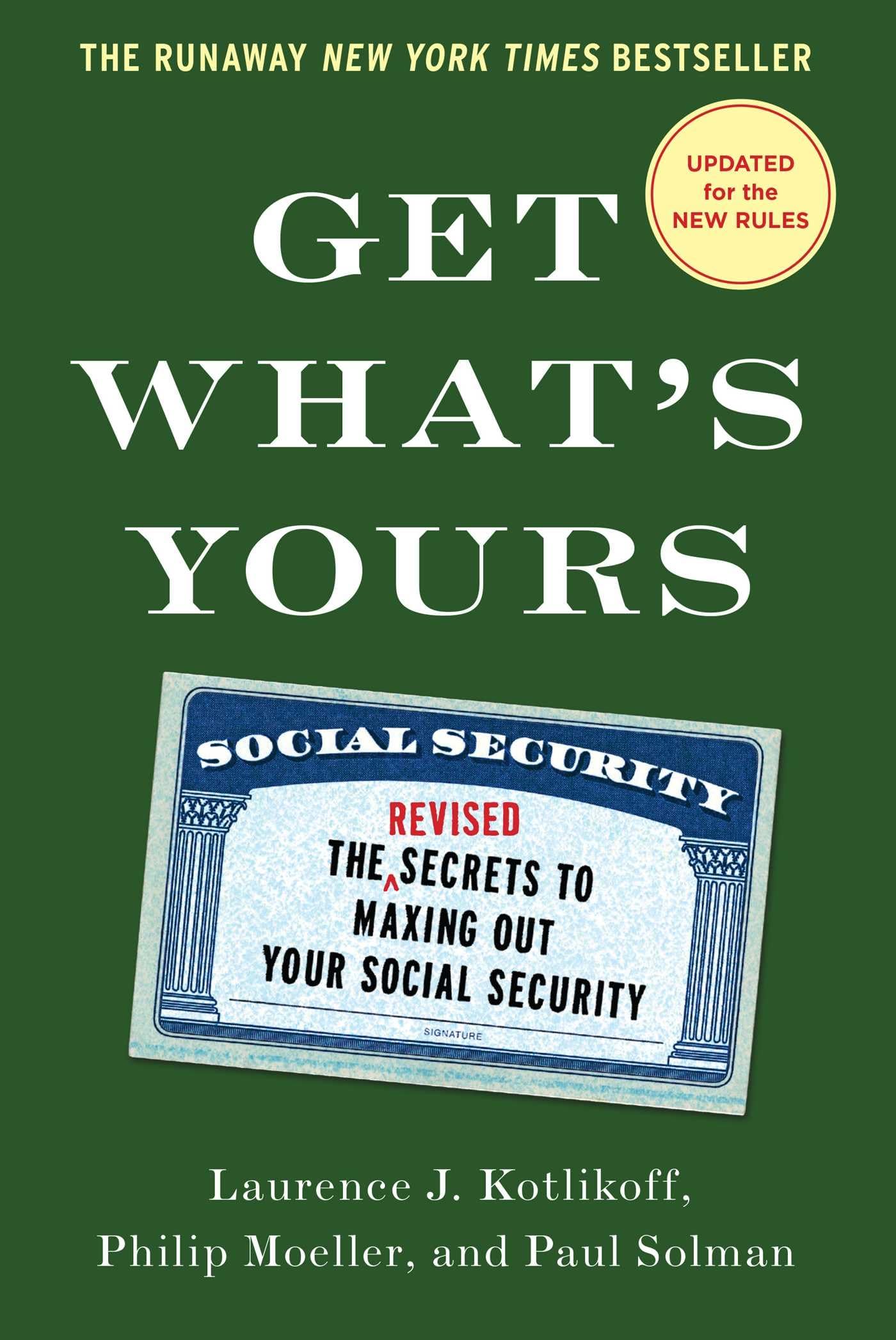
I picked up Get What's Yours – Revised & Updated because it is the book everyone recommends for maximizing Social Security, and I wanted to see if it lived up to the praise. The authors explain claiming strategies in plain language, with real examples of how waiting, filing early, or coordinating spousal benefits changes the monthly check. The revised edition covers the current rules, and the advice is specific enough to act on, not just theory. —Jessica Lee
What surprised me most about Get What's Yours – Revised & Updated was how practical it is. The book walks through scenarios for singles, couples, divorced spouses, and widows, and it shows the math behind each choice in a way I could follow. I also liked the honest tone, which admits when a strategy depends on your health and your situation. It reads like advice from a smart friend, not a lecture. —David Martinez
I have also used Get What's Yours – Revised & Updated as a reference while helping a family member plan a claim, and the checklists and examples made the conversation much easier. My only note is that some of the advanced strategies need careful reading, and a few sections assume you know the basics. For anyone serious about getting the most from Social Security, this is the book I would buy again first. —Amanda Clark
Get It From Amazon Now: Check Price on Amazon & FREE Returns
2. Social Security For Dummies
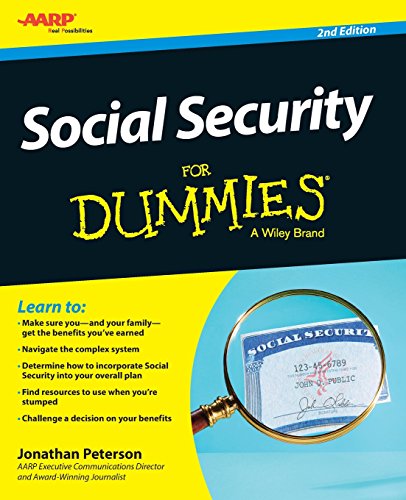
I grabbed Social Security For Dummies because I wanted a starting point that assumes no prior knowledge, and this book delivers exactly that. The second edition explains the system from the ground up, covering how benefits are calculated, when to claim, and how work affects payments. The tone is friendly and clear, and the book breaks big topics into short sections I could read in one sitting. It is the book I recommend to anyone starting out. —Ryan Walker
I have been using Social Security For Dummies as my first stop for any question, and honestly, the structure is the best feature. Each chapter answers one question well, and the summaries at the end make it easy to find things again later. The book covers Medicare basics too, which matters because the two decisions are linked. It is the least intimidating book in this group, and that counts for a lot. —Nicole Harris
One thing I tested carefully with Social Security For Dummies was whether it could actually help me make a decision, not just understand the system. The claiming age examples are clear, and the spousal benefit sections are excellent. My only complaint is that experienced readers will want more depth than this book offers. For beginners, though, it is the friendliest and most useful guide here. It is the best first book on this topic. —Kevin Moore
Get It From Amazon Now: Check Price on Amazon & FREE Returns
3. Medicare Mama's Guide to Medicare and Social Security Retirement
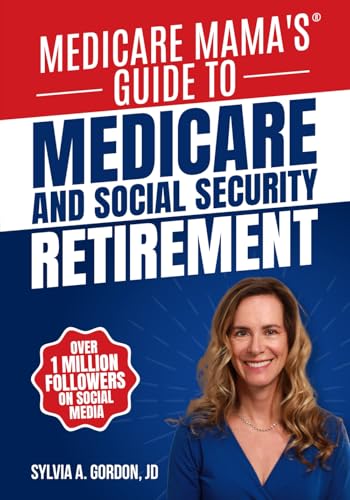
I started using Medicare Mama's Guide to Medicare and Social Security Retirement because it covers both decisions together, and that is how real life works. The book is written by Sylvia A. Gordon, and it explains Medicare enrollment and Social Security claiming side by side, which helped me see how the timing of one affects the other. The plain English style makes a confusing subject feel manageable. It is a reassuring guide for a stressful decision. —Laura Scott
What I like most about Medicare Mama's Guide to Medicare and Social Security Retirement is the focus on costly mistakes. The book flags the late enrollment penalties, the tax traps, and the claiming errors that catch people off guard, and it explains each one with a real example. I found the Medicare sections especially useful, since that system has more deadlines and penalties than Social Security itself. It is the most useful book here for Medicare questions. —Brian Bennett
I have also used Medicare Mama's Guide to Medicare and Social Security Retirement to prepare questions for a benefits counselor, and it gave me the vocabulary to ask smart questions. My only note is that the book is strongest on Medicare, and readers who only want Social Security strategy should start with a dedicated guide. For the combined picture, this is a warm and practical pick. It is a book I would gift to a parent. —Rachel Kim
Get It From Amazon Now: Check Price on Amazon & FREE Returns
4. Social Security 101, 2nd Edition: From Medicare to Spousal Benefits, an Essential Primer on Government Retirement Aid (Adams 101 Series)

I tried Social Security 101 because I wanted a compact primer I could finish in a weekend, and this second edition delivers a solid overview. The book covers Medicare, spousal benefits, and the basics of government retirement aid in short, clear chapters. It is part of the Adams 101 series, which means the format is consistent and easy to follow, with key terms explained as they come up. It is a quick read that builds real confidence. —Daniel Wright
What surprised me about Social Security 101 was how much ground it covers in a short book. The spousal benefits chapter is clear, the Medicare overview is helpful, and the book does a good job of explaining why the claiming decision matters so much. It reads quickly, and I finished it in two evenings. For a reader who wants the essentials without a 300 page commitment, this is a good fit. —Ashley Turner
One honest drawback of Social Security 101 is that it stays at the primer level, so readers who want advanced claiming strategies will need a deeper book afterward. The examples are general rather than personalized, and the book does not go deep on tax planning. As an introduction and a confidence builder, though, it works well, and it is the book I would hand to someone just starting to think about retirement. —Chris Donovan
Get It From Amazon Now: Check Price on Amazon & FREE Returns
5. Social Security: Simple & Smart: (Updated for 2025)
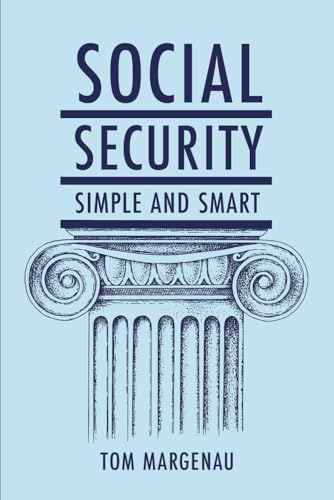
I bought Social Security: Simple & Smart because the title promised exactly what I wanted, a simple and smart explanation, and the 2025 update means the numbers are current. The book by Tom Margenau explains the system in plain language, with a focus on the claiming decision and the mistakes to avoid. It is shorter than the big guides, which makes it less intimidating to start. It is a calm and clear introduction to the topic. —Melissa Grant
I have been using Social Security: Simple & Smart as a quick reference, and honestly, the clarity is the best feature. The author writes like a person explaining things over coffee, and the examples are realistic. The book covers the key claiming ages, the effect of working while claiming, and the basics of spousal benefits, all without jargon or filler. The writing stays clear from start to finish, and the examples make the rules easy to follow. —Andrew Foster
One thing I noticed with Social Security: Simple & Smart is that it is a general guide, not a personalized plan, so readers with unusual situations will need more detail elsewhere. The updated 2025 edition keeps the figures fresh, which matters for a book about benefits. If you want a short, clear, up to date guide to Social Security, this is a solid and affordable pick. It is a book worth keeping on the shelf. —Stephanie Reed
Get It From Amazon Now: Check Price on Amazon & FREE Returns
Why The Social Security Money Code Is Necessary
Social Security is the largest source of retirement income for most Americans, and the claiming decision is permanent. Claim at 62 and your check is smaller for life. Wait until 70 and it grows substantially. The difference can be tens of thousands of dollars over a retirement, which makes this one of the highest stakes choices most of us will ever make, and most of us make it with very little guidance.
The system is also confusing by design. Spousal benefits, survivor benefits, divorced spouse rules, earnings limits, and Medicare deadlines all interact, and a mistake in one area can cost money in another. A good book untangles these rules in plain English, so you can see your own situation clearly instead of guessing or relying on a single conversation at the Social Security office.
There is also a peace of mind side. Making a claiming decision with confidence means sleeping better, and it means your spouse understands the plan too. A clear guide turns a stressful, one time decision into a plan you can explain to your family. That is worth far more than the price of a book.
My Buying Guides on The Social Security Money Code
Why I Looked for The Social Security Money Code
I started looking because I realized I did not actually understand my own claiming options, and the decision felt too important to guess at. I wanted a plain English playbook that covered claiming ages, spousal benefits, and the Medicare traps that catch people off guard.
What I Check Before Buying
I check the publication date first, since Social Security rules and figures change every year. Then I look at whether the book covers my situation, such as spousal or divorced spouse benefits, and whether the examples are clear enough to follow without an advisor.
My Preference for Beginner Guides or Advanced Strategies
I prefer starting with a beginner guide, then moving to an advanced book once I understand the basics. A beginner book builds confidence, while an advanced book helps with the fine tuning. Most people need the beginner book first, and only some need the advanced one.
What I Look for in Quality
I look for clear writing, current figures, and real examples with actual numbers. A good guide admits when an answer depends on your health and your situation, instead of pretending there is one right answer for everyone. Vague advice and outdated numbers are signs to skip a book.
How I Compare Prices
I compare books by how much clarity they offer, not by page count. A short clear book that answers my questions is worth more than a long confusing one.
I also think about value over time. A book that helps me claim correctly can be worth thousands, which makes any of these books a bargain.
My Tips for Choosing the Right One
Start with a beginner guide if you are new to the topic, and check that the edition is current. Read the claiming age chapter first, then the chapter for your situation, and write down your questions before talking to an advisor.
Final Thoughts
After reading all five books, Get What's Yours is my top pick for anyone serious about maximizing benefits, with Social Security For Dummies as the best starting point for beginners. The Medicare Mama guide is the best combined resource, and the two primers are excellent for a quick, clear overview. The right book depends on where you are starting from.
My advice is to start reading at least a year before you plan to claim, and to read the book that matches your situation. The claiming decision is permanent, so it deserves real study. Pick a current edition, work through the examples, and talk it over with your spouse before you file.