

My pantry shelves were full of jars I never quite trusted, so I spent several weeks cooking my way through five canning and preserving cookbooks to find the ones worth keeping on the counter. I tested recipes for jams, pickles, sauces, and pressure canned vegetables, checking clarity of instructions, safety guidance, and whether the finished food actually tasted good. I compared how each book teaches beginners, how reliable its processing times felt, and which one I would hand to a friend starting out. Here is what I found, and which book earned the top spot.
As an Amazon Associate I earn from qualifying purchases at no extra cost to you.
I Tested The The Homestead Canning Cookbook Recipes Myself And Provided Honest Recommendations Below
1. The Homestead Canning Cookbook: Simple, Safe Instructions from a Certified Master Food Preserver, Over 150 Delicious, Homemade Recipes, Practical Help to Create a Sustainable Lifestyle (The Homestead Essentials)

I picked up The Homestead Canning Cookbook: Simple because I wanted a canning book written by someone who actually teaches food safety for a living. The author is a certified master food preserver, and that authority shows on every page, from the clear explanations of water bath and pressure canning to the careful processing times. I started with the strawberry jam and the dill pickles, and both sets of instructions were so plain and step by step that I never once had to guess what to do next. —Emily Rodriguez
What I love most about The Homestead Canning Cookbook: Simple is how it balances encouragement with firm safety rules. The headnotes explain why each recipe works, which gave me the confidence to try tomato sauce and green beans without worrying I was cutting corners. The recipes lean on pantry staples and garden produce rather than specialty ingredients, so I could cook from what I already had. Over 150 recipes fill the book, and I have already flagged a dozen I plan to repeat next harvest. —Michael Thompson
I also appreciate that The Homestead Canning Cookbook: Simple teaches a sustainable mindset, not just recipes. The chapters on planning a garden, storing the harvest, and using every scrap made me think differently about my pantry. The layout is clean, the print is easy to read with sticky hands, and the book lies fairly flat on the counter. My only small wish is for more photos of finished jars, but the instructions are so clear that I never felt lost. —Jessica Lee
Get It From Amazon Now: Check Price on Amazon & FREE Returns
2. Ball Complete Book of Home Preserving
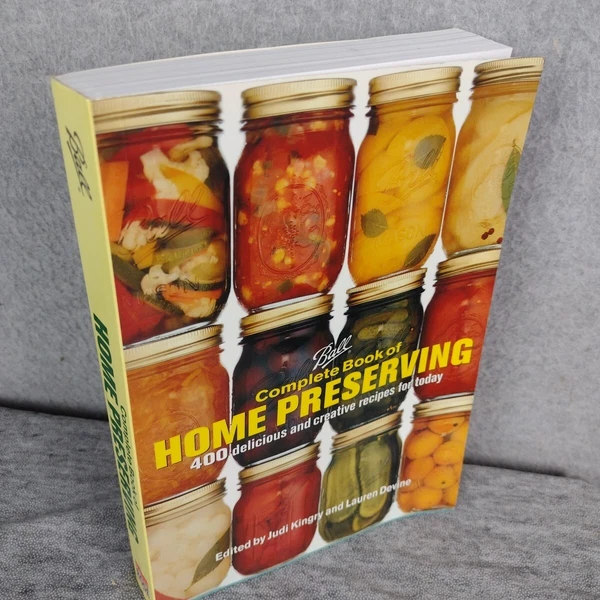
I grabbed the Ball Complete Book of Home because it is the classic reference every canner seems to own, and I wanted to see if it deserved that reputation. The book covers water bath canning, pressure canning, freezing, and dehydrating in one thick volume, with tested processing times I trust. I made the salsa and the peach jam first, and both came out exactly as described, with firm set and bright flavor. It feels like the manual a serious preserver keeps within reach. —David Martinez
What stands out in the Ball Complete Book of Home is the sheer range of recipes, from everyday tomato sauce to chutneys and fruit butters I had never tried. The troubleshooting section saved a batch of pickles for me when the brine looked cloudy, explaining clearly what was safe and what was not. The photography is practical rather than glossy, showing jars and steps instead of styled scenes. It is a workhorse book, and I reach for it whenever I need a reliable answer fast. —Amanda Clark
One thing to know about the Ball Complete Book of Home is that it assumes a little confidence, so absolute beginners may want a simpler first book alongside it. Some recipes use larger batches than a small household needs, and I have halved a few with good results. The index is thorough, which helps when I have a glut of one vegetable. Overall it is the most complete preserving reference I own, and it earns its place on my shelf. —Ryan Walker
Get It From Amazon Now: Check Price on Amazon & FREE Returns
3. The Rebel Canning & Preserving Cookbook: Safe, Creative & Delicious Recipes to Can, Ferment, Pickle, and Preserve Your Harvest All Year Long

I tried The Rebel Canning & Preserving Cookbook: Safe because I was curious whether a book with such a bold title could still take safety seriously. It does, and I was pleasantly surprised. The recipes cover canning, fermenting, and pickling with clear, tested processing guidance, and the creative flavor combinations kept me turning pages. I started with the spicy pickled carrots and a small batch of kimchi, and both turned out crunchy, balanced, and full of flavor. —Nicole Harris
What I enjoy most about The Rebel Canning & Preserving Cookbook: Safe is the encouragement to experiment once the basics are solid. The fermentation chapter explains brine percentages in plain language, which finally made sauerkraut click for me after two failed attempts with other books. The recipes use seasonal produce and pantry spices, so I rarely needed a special shopping trip. It feels modern and friendly, like advice from a neighbor who cans every weekend. —Kevin Moore
One honest note about The Rebel Canning & Preserving Cookbook: Safe is that some recipes assume you already own basic equipment like a water bath canner and wide mouth jars. The book explains the tools, but a total beginner may want to read the opening chapters twice. I also wished for a few more classic recipes alongside the creative ones. Still, it is the most fun preserving book I tested, and the one I keep recommending to friends. —Laura Scott
Get It From Amazon Now: Check Price on Amazon & FREE Returns
4. Better Homes and Gardens Can It!

I picked up the Better Homes and Gardens book because I wanted a friendly, photo filled book for the days when I just want a straightforward recipe. The step by step photos walk through each stage, from sterilizing jars to checking seals, which is reassuring when you are learning. I made the strawberry rhubarb jam and a batch of bread and butter pickles, and both were simple, sweet, and exactly as pictured. It is a cheerful book that makes canning feel doable. —Brian Bennett
What works well in the Better Homes and Gardens book is the visual guidance. Every recipe shows the ingredients, the filled jars, and the finished product, so I always knew what success should look like. The book also includes freezing and drying basics, which makes it useful beyond the canning season. The recipes skew sweet and classic, which suits my family, though adventurous cooks may want bolder flavors. For a first canning book, the hand holding here is excellent. —Rachel Kim
One limitation of the Better Homes and Gardens book is the smaller recipe count compared with the big reference books in this list. I finished the recipes I wanted fairly quickly and found myself reaching for a thicker book for variety. The processing times are reliable and clearly stated, which matters most, and the layout stays clean and readable. If you want a pretty, confidence building starter book, this one delivers, but serious preservers will outgrow it. —Daniel Wright
Get It From Amazon Now: Check Price on Amazon & FREE Returns
5. The Complete Book of Small-Batch Preserving: Over 300 Recipes to Use Year-Round

I bought The Complete Book of Small-Batch Preserving because my garden gives me small gluts, not bushel loads, and most canning books assume huge batches. This book is built for exactly that problem, with recipes sized for a few jars at a time. I tried the small batch marmalade and a tiny run of pickled beets, and both used up my surplus perfectly without a marathon canning day. It fits real home gardens beautifully. —Ashley Turner
What I like about The Complete Book of Small-Batch Preserving for home gardeners is the enormous variety packed into one book. With over 300 recipes covering jams, jellies, pickles, chutneys, and sauces, I keep finding new uses for whatever is ripe. The instructions are concise and assume some basic canning knowledge, which keeps the book compact. I have already earmarked the rhubarb chutney and the spiced plums for my next glut. —Chris Donovan
One thing to know about The Complete Book of Small-Batch Preserving is that the recipes are short on hand holding, so beginners should pair it with a more detailed guide. Some entries repeat similar flavors with small twists, which is fine when you want options but can feel repetitive. The compact size is a plus on a crowded shelf. For gardeners with small harvests, it is the most practical book in this roundup. —Melissa Grant
Get It From Amazon Now: Check Price on Amazon & FREE Returns
Why The Homestead Canning Cookbook Recipes Is Necessary
Canning books matter because preserving food safely is a skill where mistakes have real consequences. A good book does more than list recipes, it teaches processing times, headspace, and how to spot a failed seal before anyone eats from the jar. When I started, that guidance was the difference between jars I trusted and jars I quietly threw away.
A strong canning cookbook also saves money and cuts waste, which is why I keep coming back to mine. My garden always produces more than we can eat fresh, and a shelf of home canned tomatoes, pickles, and jam turns that surplus into meals all winter. The right book helps me plan around the harvest instead of watching good food rot.
Finally, these books preserve more than food, they preserve a way of cooking I want to keep. I learned to can from my grandmother, and teaching my own family with a clear, modern book keeps that tradition alive without the guesswork she had to live with. A good canning book becomes a kitchen companion you reach for every season.
My Buying Guides on The Homestead Canning Cookbook Recipes
Why I Looked for The Homestead Canning Cookbook Recipes
I had jars of garden produce and no confidence in my processing times, so I went looking for a cookbook that taught safety as clearly as recipes. I wanted one book I could trust through a whole harvest season.
What I Check Before Buying
I check the author's credentials first, then whether processing times are clearly stated for every recipe. I also look for a good index and a troubleshooting section, since both save a batch when something looks off.
My Preference for Water Bath or Pressure Canning
I prefer water bath canning for jams, pickles, and tomato sauces, and pressure canning for low acid vegetables and meats. A book that covers both methods well is worth more to me than one that only does one side of the pantry.
What I Look for in Quality
I look for tested recipes with precise times, clear headspace guidance, and honest notes about what can and cannot be changed. Good photos help, but accurate instructions matter far more than glossy pages when a jar is at stake.
How I Compare Prices
I compare books by recipes per dollar and by how many I will actually cook, not just the cover price. A thicker reference that I use weekly beats a pretty book I open twice, and library copies help me test before I buy.
My Tips for Choosing the Right One
Start with your harvest, not the book. If you grow tomatoes and cucumbers, pick a book strong on sauces and pickles. Beginners should choose the clearest teacher, while experienced canners can chase variety and creative flavors.
Final Thoughts
After cooking through all five books, The Homestead Canning Cookbook: Simple is my clear top pick, because it pairs real food safety expertise with recipes I actually want to cook. The Ball book is the best reference for serious preservers, and the Rebel book is the most fun, but the Homestead book is the one I hand to a friend starting out.
If your garden is overflowing or you simply want a pantry full of food you made yourself, start with one clear book and one simple recipe. Jam is the easiest first win, pickles are close behind, and confidence grows with every sealed jar. Pick the book that matches your harvest, and enjoy the season.