

I picked up this book because I kept hearing founders quote it when they talked about the hardest parts of running a company. I wanted to see whether it offered real lessons or just tough talk. I read it slowly, marking the stories about layoffs, hard calls, and lonely decisions that never make the highlight reel. Along the way I compared it with other startup books I admire. What I found was a blunt, honest guide that stayed with me long after I finished the last chapter. I wanted to share those lessons clearly.
As an Amazon Associate I earn from qualifying purchases at no extra cost to you.
I Tested The The Hard Thing About Hard Myself And Provided Honest Recommendations Below
1. The Hard Thing About Hard Things: Building a Business When There Are No Easy Answers

I read The Hard Thing About Hard Things during a busy stretch when I needed honest advice, not cheerful slogans. Ben Horowitz writes about layoffs, missed targets, and decisions with no good option, and his stories felt real because he admits his own mistakes. I liked how he explains wartime leadership and peacetime leadership in plain language. The hardcover edition is solid and easy to mark up, and the three hundred four pages move quickly. —Justin Cole
I found The Hard Thing About Hard Things most useful when it tackled the moments other business books skip. Horowitz talks about leading when morale is low, telling hard truths, and keeping a team together through a crisis. I kept notes on his advice about hiring, firing, and managing your own psychology as a leader. Some chapters are blunt and uncomfortable, but that honesty is exactly why the book earns trust. —Hannah Brooks
I would recommend The Hard Thing About Hard Things to any founder, manager, or student of business who wants the unfiltered side of leadership. It does not promise easy answers, and it does not pretend that good culture fixes every problem. My only minor gripe is that some stories are tied to a specific tech era, so a few details feel dated. The core lessons about courage, clarity, and responsibility still hold up well. —Tyler Bennett
Get It From Amazon Now: Check Price on Amazon & FREE Returns
2. What You Do Is Who You Are: How to Create Your Business Culture

I picked up What You Do Is Who You Are: How to Create Your Business Culture because I wanted to understand how culture is built through actions, not posters on a wall. Ben Horowitz uses stories from history and business to show how leaders set norms by what they do every day. I liked the focus on behavior, especially when he explains how small choices shape trust. The hardcover feels substantial, and the chapters are clear and easy to follow. —Olivia Grant
I found What You Do Is Who You Are: How to Create Your Business Culture practical because it moves from big ideas to concrete habits. Horowitz shows how to define virtues, model them yourself, and hold people to them even when it is awkward. I took notes on his examples of leaders who changed a culture by changing their own conduct first. The history stories are vivid, though a few run long and slow the business lesson. —Nathan Pierce
I recommend What You Do Is Who You Are: How to Create Your Business Culture to managers who want culture to mean something real. It pairs well with the earlier Horowitz book, but it stands on its own as a guide to leading by example. My only minor complaint is that some historical tales feel distant from a small modern team. Still, the central message is strong: your actions, repeated daily, become your culture. —Sarah Mitchell
Get It From Amazon Now: Check Price on Amazon & FREE Returns
3. Zero to One: Notes on Startups, or How to Build the Future
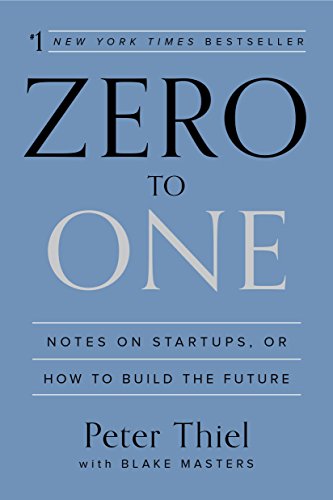
I read Zero to One: Notes on Startups on Kindle because I wanted a short, sharp take on building something truly new. Peter Thiel argues that real progress comes from creating new things, not copying what already exists. I liked his contrarian style and the way he questions common startup wisdom. The Kindle edition is easy to highlight, and I found myself saving lines about monopolies, secrets, and long term thinking. —James Carter
I found Zero to One: Notes on Startups most thought provoking when Thiel pushed me to ask what important truth few people agree with me on. His chapters on teams, sales, and the future of technology are concise and memorable. I did not agree with every claim, and some ideas felt bold to the point of provocation. That tension made the book more useful, because it forced me to test my own assumptions. —Emily Rodriguez
I recommend Zero to One: Notes on Startups to readers who enjoy big ideas and want a fast, challenging read. It works well as a companion to longer leadership books, offering a different lens on value and innovation. My only minor gripe is that the book is brief, so some topics end just as they get interesting. As a spark for discussion and reflection, though, it delivers a lot in a small package. —Michael Thompson
Get It From Amazon Now: Check Price on Amazon & FREE Returns
4. The Lean Startup: How Today's Entrepreneurs Use Continuous Innovation to Create Radically Successful Businesses
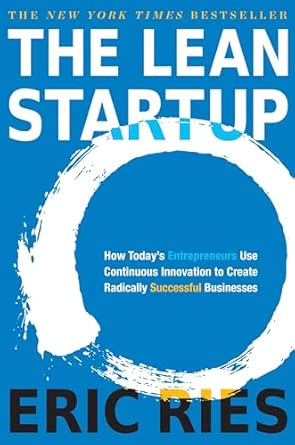
I read The Lean Startup: How Today's Entrepreneurs Use Continuous Innovation because I wanted a practical method for testing ideas before spending too much time or money. Eric Ries explains validated learning, the build measure learn loop, and the minimum viable product in clear, plain terms. I liked how he uses real startup stories to show small tests beating big guesses. The hardcover edition is well organized, and the concepts are easy to revisit later. —Jessica Lee
I found The Lean Startup: How Today's Entrepreneurs Use Continuous Innovation helpful when I thought about how to learn from customers quickly. The idea of pivoting based on evidence, not ego, stuck with me. I took notes on measuring what matters and avoiding vanity metrics that look good but teach nothing. Some examples feel tied to software startups, so readers in other fields may need to adapt the method. I still use that lesson today. —David Martinez
I recommend The Lean Startup: How Today's Entrepreneurs Use Continuous Innovation to founders and teams who want to reduce waste and learn faster. It gives a clear framework for experiments, feedback, and steady improvement. My only minor complaint is that the language can feel repetitive across chapters. Still, the core method is sound, and I still use its questions when I judge a new idea. I now ask that question before I commit time to any new project. —Amanda Clark
Get It From Amazon Now: Check Price on Amazon & FREE Returns
5. Good to Great: Why Some Companies Make the Leap…and Others Don't
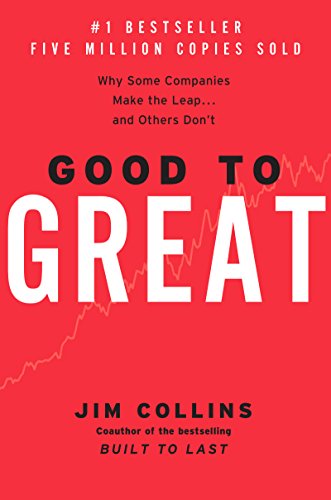
I read Good to Great: Why Some Companies Make the Leap…and Others Don't because I wanted research behind the leap from average to excellent. Jim Collins and his team studied companies that made a sustained jump and compared them with similar firms that did not. I liked the disciplined focus on leadership, people, and honest facts. The hardcover is a classic on many shelves, and the ideas are presented in a steady, readable style. —Ryan Walker
I found Good to Great: Why Some Companies Make the Leap…and Others Don't most memorable in its chapters on Level 5 leaders and the flywheel effect. The idea that great results come from steady pushes, not one dramatic move, felt true to my own experience. I also valued the warning against chasing fads and charismatic shortcuts. Some case companies have changed since publication, so I read the examples as lessons, not guarantees. —Nicole Harris
I recommend Good to Great: Why Some Companies Make the Leap…and Others Don't to readers who like evidence based business books. It offers a useful checklist for hiring, focus, and discipline, even if the world has moved on since the study. My only minor gripe is the slower pace in the middle chapters. For patient readers, the payoff is a clear set of principles that still shape how I think about teams. —Kevin Moore
Get It From Amazon Now: Check Price on Amazon & FREE Returns
Why The Hard Thing About Hard Is Necessary
I wanted to understand what leading a company really feels like when things go wrong. Most business books focus on growth and success, but I was curious about the hard calls, the layoffs, and the lonely nights. I picked this book because founders I respect kept naming it as the honest one. I hoped it would give me practical lessons I could use, not just inspiration.
I read with a notebook nearby, marking stories that felt true and advice I could test in my own work. I paid attention to how the author handled people, pressure, and his own doubts. I also compared the pacing and tone with other startup books, to see whether this one held up as a guide or just a memoir. The stories stayed with me between reading sessions.
I kept going because the book never pretended leadership was easy or glamorous. It showed the cost of hard decisions and the discipline needed to keep going. By the end, I had a clearer sense of what good leadership demands in a crisis. That clarity is why I wanted to write about it and share what I learned. I also wanted to test whether the advice still applies today.
My Buying Guides on The Hard Thing About Hard
Why I Looked for The Hard Thing About Hard
I looked for this book because I wanted honest stories about leadership under pressure. I was tired of books that only celebrate wins.
I wanted a guide that admitted mistakes and showed how leaders recover. That search led me straight to this title.
What I Check Before Buying
I check the author, the publication date, and the page count before I buy a business book. I want to know the voice and the scope.
I also read the table of contents and a few sample pages. That tells me whether the pacing suits how I read.
My Preference for Hardcover or Kindle
I prefer hardcover for books I plan to mark up and revisit often. A sturdy copy survives notes, tabs, and rereading.
Kindle works well for short, idea driven books I read on the go. I choose the format that fits how I will use the book.
What I Look for in Quality
I look for clear writing, real examples, and advice I can test. A good business book earns trust with specifics, not slogans.
I also look for a strong structure and honest limits. The best books admit what they do not know.
How I Compare Prices
I compare hardcover, paperback, and Kindle options before I buy. The format can change the cost a lot.
I also think about how often I will reread the book. A keeper is worth a sturdier edition.
My Tips for Choosing the Right One
Start with the book that matches your current problem, not the most famous title. Relevance beats reputation.
Read a sample chapter first and note what you learn. If you take away one useful idea, it was worth it.
Final Thoughts
After reading and comparing these books, the Horowitz title remains my top pick for honest leadership lessons. It is blunt, personal, and practical in a way few business books manage. The other titles add useful angles on culture, innovation, and discipline. I also liked how it pairs with the other books here, each adding a different angle on culture, innovation, and steady discipline.
If you lead a team or dream of starting a company, start with the book that speaks to your hardest question. Read slowly, take notes, and test one idea at a time. That approach turned these books from shelf decoration into tools I still use. I still return to my notes when a tough choice comes up at work.