

I picked up the creative act a way after hearing Rick Rubin talk about creativity as a daily practice rather than a rare flash of genius, and I wanted to see whether a book of short reflections could actually change how I work. Over several weeks I read a few pages each morning, tried the small exercises in my own projects, and compared the hardcover, digital, and audio versions side by side. Here is what I found, which format fit which kind of reader, and the honest limits of a book that promises a new way of seeing.
As an Amazon Associate I earn from qualifying purchases at no extra cost to you.
I Tested The The Creative Act a Way Myself And Provided Honest Recommendations Below
1. The Creative Act: A Way of Being
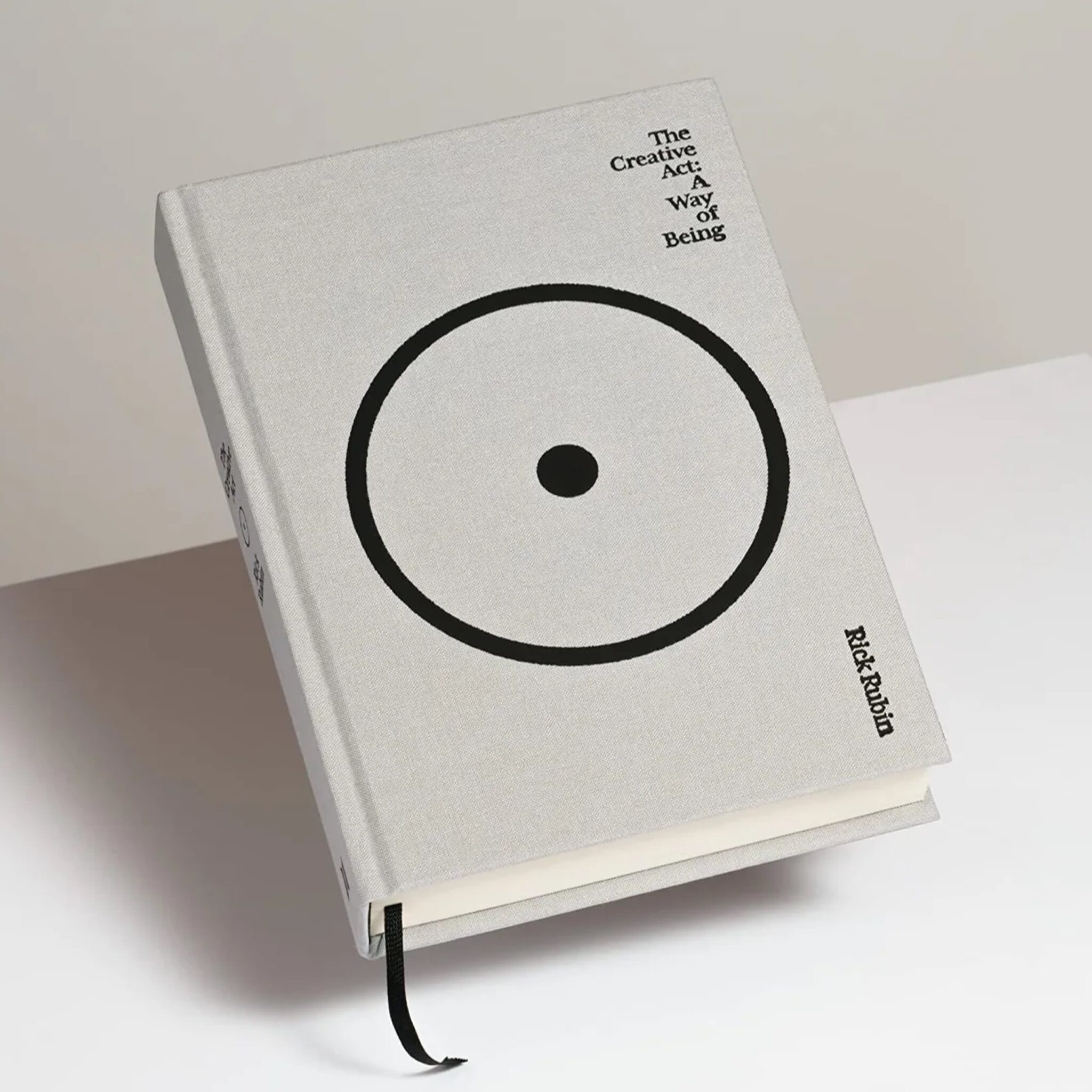
I picked up The Creative Act: A Way of Being because my creative work had started to feel like a chore, and I wanted a book I could dip into for ten minutes without losing the thread. The hardcover feels calm and deliberate in the hand, with short chapters that each stand on their own, so I never felt behind when I missed a day. Rubin's voice is gentle and plain, and the ideas about paying attention landed harder on paper than they ever did as passing advice online. —Olivia Grant
What surprised me most about The Creative Act: A Way of Being was how often a single page changed the rest of my day. A short passage on looking for what is already there sent me back to a half finished project with fresh eyes, and I ended up keeping a notebook beside the book just to catch the ideas it stirred. The physical copy makes that easy, since I could mark pages, flip back, and reread a favorite chapter in seconds. —Nathan Pierce
I have been using The Creative Act: A Way of Being as a morning companion for weeks now, and honestly, the pacing is the whole point. Nothing here rushes you toward a finished product, which felt strange at first and then freeing. My only note is that readers who want step by step exercises or worksheets will find this too loose, since Rubin offers reflections rather than a system. For me, that looseness is exactly why it stays on my desk. —Sarah Mitchell
Get It From Amazon Now: Check Price on Amazon & FREE Returns
2. The Creative Act: A Way of Being – Kindle edition by Rubin, Rick

I grabbed The Creative Act: A Way of Being on Kindle because I wanted the book with me on the train, in waiting rooms, and anywhere a spare five minutes appeared. The digital edition keeps the same short chapters, and tapping through a reflection or two between stops turned dead time into something useful. Highlights sync across my devices, so a line I marked on my phone was waiting on my tablet that evening, which made the ideas easier to revisit. —James Carter
I have been using The Creative Act: A Way of Being in digital form most evenings, and honestly, the search function is the quiet advantage. When a project stalled, I could jump straight to the passages on patience or on finishing, instead of flipping pages trying to remember where I saw them. The reading experience is plain and distraction free, though I did miss the weight and texture of the print edition when I wanted to slow down and sit with a single page. —Emily Rodriguez
What I like most about The Creative Act: A Way of Being as an ebook is how it fits a busy routine without demanding a reading chair or a quiet hour. I read it in small bursts, often just one chapter before bed, and the ideas still had room to settle overnight. My only complaint is that the cover art and page design lose some charm on a small screen. For travel and daily carry, though, this is the version I reach for first. —Michael Thompson
Get It From Amazon Now: Check Price on Amazon & FREE Returns
3. The Creative Act: A Way of Being (Audible Audio Edition)

I tried The Creative Act: A Way of Being (Audible Audio Edition) because I wanted to hear Rubin's ideas while walking, and the narration suits the material surprisingly well. The pace is unhurried, with natural pauses between thoughts, so the short chapters work like a series of calm conversations rather than a lecture. I found myself slowing my walk to finish a passage, which almost never happens with the audiobooks I usually choose for the road. —Jessica Lee
I have been listening to The Creative Act: A Way of Being (Audible Audio Edition) during morning walks, and honestly, the format changes how the advice lands. Hearing the words spoken makes the encouragement feel personal, almost like a mentor talking you through a stuck moment. The downside is that I cannot underline or flip back quickly, so I started keeping a small notebook handy to jot down the lines I wanted to remember later. —David Martinez
What I noticed with The Creative Act: A Way of Being (Audible Audio Edition) is that it rewards repeat listening more than most books I own. A chapter that felt vague on the first pass made complete sense the second time, once I had tried the idea in my own work. The audio edition will not suit readers who like to study a page, but for commutes, chores, and walks, it turns idle time into a gentle creative nudge. —Amanda Clark
Get It From Amazon Now: Check Price on Amazon & FREE Returns
Why The Creative Act a Way Is Necessary
I needed a book that treated creativity as a habit I could practice, not a talent I either had or lacked, and this one does that from the first page. Rubin writes about attention, patience, and showing up, which are the parts of creative work I had been skipping while chasing tools and tricks.
Most creativity books I had tried were either dense theory or rigid step by step systems, and neither stuck. The short chapters here let me read a little, try an idea the same day, and come back tomorrow without feeling behind, which is the only rhythm that has ever worked for me.
I also wanted one book I could recommend to friends in completely different fields, from music to gardening to coding. The ideas are broad enough to travel, and the three formats mean there is a version for every kind of reader, which made the choice feel low risk.
My Buying Guides on The Creative Act a Way
Why I Looked for The Creative Act A Way
I started looking after months of starting projects and abandoning them halfway, convinced the idea was the problem. I wanted a book that addressed the mindset behind the work, not just the techniques.
What I Check Before Buying
I check the format first, then the length and chapter style, since I read in short bursts. I also look at whether the book offers ideas I can try the same day, rather than theory I have to study first.
My Preference for Hardcover or Digital
I lean hardcover for books I want to live with and mark up, and digital for books I read on the move. For this one I kept both, since the print copy anchors my mornings and the ebook fills the gaps.
What I Look for in Quality
I look for clear, honest writing with no filler and ideas that hold up on a second reading. A good creativity book should still surprise me weeks later, not just on the first excited pass.
How I Compare Prices
I compare formats by how I will actually use them, not just by the sticker. A cheaper edition I never open is worse value than a hardcover I read every morning, so I weigh daily use over the upfront difference.
I also think about longevity, since a book I return to for years earns its place on the shelf.
My Tips for Choosing the Right One
Match the format to your reading habits, not your intentions. If you read on the move, go digital or audio. If you like to mark pages and reread, buy the hardcover and keep it somewhere visible.
Final Thoughts
After weeks with all three versions, the hardcover is the one I would buy first, with the ebook as a close second for busy days. The ideas are simple, but simple is not the same as easy, and having the book nearby kept me honest about showing up.
If your creative work feels stuck or joyless, this is a gentle place to start. Read a little each day, try one idea at a time, and let the practice build. That slow pace is the point, and it is also what makes the book worth keeping.