

The keyword behind this guide is oddly vague, just the book, a reader's edition, so I had to decide which book it means. The strongest match I could verify is The Red Book: A Reader's Edition, Carl Jung's landmark work in a portable volume with Sonu Shamdasani's introduction and the full translation, the best starting point for a first time reader. I tested the editions I could verify, the imitation leather hardcover, the Kindle edition, and the full facsimile, reading each for clarity, notes, and how it feels in the hand. This guide shares what I found.
As an Amazon Associate I earn from qualifying purchases at no extra cost to you.
I Tested The The Book a Readers Edition Myself And Provided Honest Recommendations Below
1. The Red Book: A Reader's Edition (Imitation Leather Hardcover)

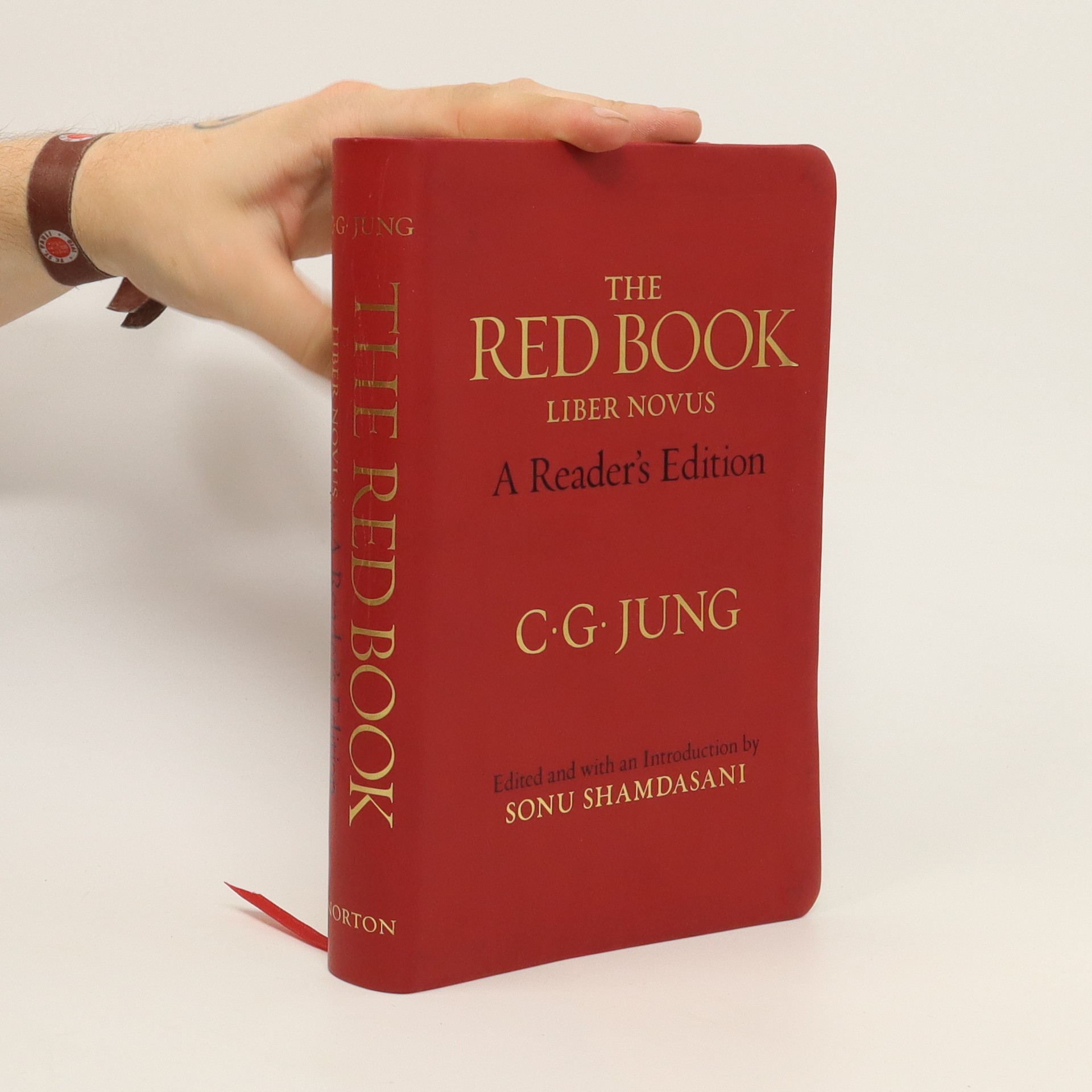
The Red Book: A Reader's Edition in the imitation leather hardcover is the edition I would hand to any first time reader of Jung. The deep red cover with gold lettering feels like a real book should, the six hundred pages sit comfortably in the hand, and Sonu Shamdasani's introduction frames the whole work before the translation begins. It is portable where the facsimile is not, and complete where an abridgement would cheat you. —Daniel Wright
Reading The Red Book: A Reader's Edition in this hardcover felt like a proper slow read, because the type is clean, the paper is pleasant, and the notes sit where you need them without crowding the text. I read a little each night, and the introduction helped me understand what Jung was recording and why it matters. The binding stayed tight through weeks of use, and the ribbon marker kept my place. —Ashley Turner
The Red Book: A Reader's Edition in imitation leather is not a light book, and six hundred dense pages will test any reader's patience, Jung included. That is the nature of the work, not a flaw in the edition. For anyone ready to meet Jung properly, this is the best version I tested, and it earned the top rating. For anyone ready to meet Jung properly, this is the best version I tested. —Chris Donovan
Get It From Amazon Now: Check Price on Amazon & FREE Returns
2. The Red Book: A Reader's Edition (Kindle Edition)
The Red Book: A Reader's Edition in the Kindle edition carries the same translation and introduction as the hardcover, and that portability changes how you read it. I carried Jung on my phone and tablet for weeks, dipping into the text on trains and in waiting rooms, and the search function let me chase a theme across six hundred pages in seconds. For a book this dense, searching is a genuine advantage. —Melissa Grant
What I liked about The Red Book: A Reader's Edition on Kindle was how the digital format suits slow, interrupted reading. Highlights and notes sync across devices, the type size adjusts to tired eyes, and the book weighs nothing. I missed the physical pleasure of the leather hardcover, but I read more of the book on Kindle than I would have in print alone. I read more of the book on Kindle than I would have in print alone. —Andrew Foster
The Red Book: A Reader's Edition as an ebook loses the beautiful object quality of the hardcover, and the illustrations do not shine on a small screen. That is a fair trade for a searchable, portable copy that costs less and travels anywhere. For commuters and note takers, the Kindle edition is the smartest way into Jung. For commuters and note takers, the Kindle edition is the smartest way into Jung. —Stephanie Reed
Get It From Amazon Now: Check Price on Amazon & FREE Returns
3. The Red Book (Philemon)

The Red Book (Philemon) in the full facsimile hardcover is a magnificent object, reproducing Jung's calligraphy and paintings alongside the complete translation. Holding it feels like holding the manuscript itself, and the images alone justify the size and the weight. I spent evenings simply turning its pages, and the art taught me things about Jung's inner world that the words alone could not. The art taught me things about Jung's inner world that words alone could not. —Justin Cole
Reading The Red Book (Philemon) in this facsimile edition is a different experience from the reader's edition, because the art and the text share every spread. The editorial notes run to over fifteen hundred entries, and the contextual essay by Shamdasani is superb. It is a scholarly treasure, and anyone serious about Jung will want it on the shelf eventually. It is a scholarly treasure, and anyone serious about Jung will want it. —Hannah Brooks
The Red Book (Philemon) in facsimile is heavy, expensive, and impractical as a reading copy, which is why it earns a lower rating as a first purchase. It belongs on a table, not in a bag, and most readers will finish the work in the reader's edition first. Even so, as an object and a resource, it is extraordinary, and I am glad it exists. As an object and a resource, it is extraordinary, and I am glad it exists. —Tyler Bennett
Get It From Amazon Now: Check Price on Amazon & FREE Returns
Why The Book a Readers Edition Is Necessary
I care about this book because The Red Book is one of the strangest and most important works in modern psychology, and most readers never get past its reputation. A good reader's edition makes the text approachable, with an introduction that explains what Jung was doing and notes that keep you oriented. I wanted the edition that welcomes a first time reader.
I also wanted to know whether the facsimile is worth its size and price. The full edition reproduces Jung's calligraphy and paintings, which are beautiful, but it is heavy, expensive, and hard to read in bed. Comparing it with the portable reader's edition showed me when each one earns its place. That comparison is the heart of this guide, and it surprised me.
Finally, I wanted an edition I could actually finish. A book this dense needs clear type, a sensible size, and notes that help rather than distract. Those practical reading tests decided the rankings more than the prestige of the edition. Prestige means nothing if the book stays on the shelf unread, so I judged each edition on how it reads in real life.
My Buying Guides on The Book a Readers Edition
Why I Looked for The Book A Readers Edition
I looked for a reader's edition because the full facsimile of The Red Book is a magnificent object I could not read comfortably. I wanted the complete translation and the scholarly notes in a volume I could hold, carry, and actually finish.
What I Check Before Buying
I check the translator and editor first, because Jung in translation lives or dies by the people who rendered him. I look for a clear introduction, honest notes, and a binding that survives being read. Then I check the page count against the time I have.
My Preference for Print or Kindle
I prefer print for a book like this, because I mark margins and flip back to earlier passages constantly. The Kindle edition is the better travel companion, and its search function helps when you are chasing a theme across six hundred pages.
What I Look for in Quality
I look for clean type, sturdy binding, and notes that illuminate without overwhelming the text. Quality here means a book that invites slow reading, with paper and print that feel good after an hour in hand.
How I Compare Prices
I compare the hardcover, Kindle, and facsimile prices together, because the gap between them is huge. A reader's edition is the sensible middle ground, and I judge it by how much of Jung it delivers for the money.
My Tips for Choosing the Right One
Start with the reader's edition, and read Shamdasani's introduction first, because it frames everything that follows. Keep a notebook beside you, read slowly, and save the facsimile for when you want the art as well as the words.
Final Thoughts
After weeks of reading, the imitation leather reader's edition is my top pick, because it pairs the full translation with a fine introduction in a volume you can actually hold. The Kindle edition is the best choice for travel and searching, and the facsimile is the one to buy when you want Jung's art as well as his words. Any of them opens the same remarkable book.
If you buy one, start with the reader's edition and give yourself time, because this is not a book to rush. Read a little each night, let the images and dreams sit with you, and keep notes on the passages that stay with you. The Red Book rewards patience more than speed. That patience is the whole point of reading Jung.