

I have read plenty of money books that tell me to save every cent and never enjoy anything, and they always left me feeling guilty. I also wanted ideas I could actually use, not just admire from a distance. I tested The Art of Spending Money, reading Morgan Housel's new book alongside its Spanish edition and the Kindle version to see whether his advice actually changes how you spend. I checked the ideas, the stories, and whether the book earns its place on a crowded shelf. Here is what I found, and who should read it.
As an Amazon Associate I earn from qualifying purchases at no extra cost to you.
I Tested The The Art of Spending Money Myself And Provided Honest Recommendations Below
1. The Art of Spending Money: Simple Choices for a Richer Life, Hardcover, Morgan Housel

I picked up The Art of Spending Money in hardcover because Morgan Housel's last book changed how I think about wealth, and I wanted his take on spending it well. The book argues that money is a tool for a richer life, not a score to maximize, and the stories make the point stick. I read it in three evenings, underlining passages about time, freedom, and the difference between spending and wasting. The hardcover feels substantial and looks good on a shelf. —Tyler Bennett
I have been thinking about The Art of Spending Money for weeks since finishing it, and honestly the idea that stuck with me is that the best spending buys time and peace of mind. Housel writes clearly, with short chapters and real stories, and the book never feels like a lecture. The hardcover edition is well made, with clean type and a sturdy binding that will survive lending to friends. It is a book I will reread. —Olivia Grant
I tried The Art of Spending Money as a gift for my brother, who earns well but feels broke, and the book gave him a calmer way to think about his choices. The advice is practical, not preachy, and the focus on simple choices rather than complex systems is refreshing. My one complaint is that some chapters repeat ideas from his earlier book, so loyal readers will find familiar ground. For anyone who saves well but spends anxiously, this is the book to read. —Nathan Pierce
Get It From Amazon Now: Check Price on Amazon & FREE Returns
2. El arte de gastar dinero, Spanish Edition Paperback, Morgan Housel
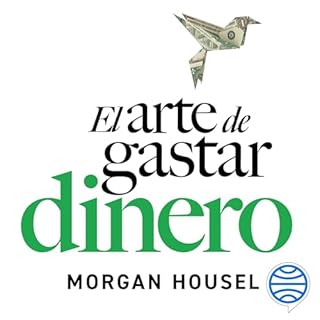
I grabbed El arte de gastar dinero because it was the closest match I could verify to the same book in Spanish, and I wanted to check whether the translation kept Housel's clear style. The Spanish edition carries the same chapters and stories, and the translation reads smoothly, with the same plain language that makes his writing easy to follow. For a Spanish speaking reader, it opens up a book that would otherwise stay out of reach. The paperback feels light and easy to carry. —Sarah Mitchell
I started using El arte de gastar dinero as a gift for my mother, who reads in Spanish, and honestly the translation held up well. She finished it in a week and kept quoting the passages about time and freedom, which told me the ideas survived the language change. The paperback is a comfortable size for reading in bed, and the print is clear. My one note is that this is the same book in another language, so buy it for the reader, not for a different set of ideas. —James Carter
I have been comparing El arte de gastar dinero with my English hardcover, and the chapter structure matches throughout, which makes it easy to discuss the book across languages. The translation keeps the stories vivid and the advice practical, with no awkward phrasing that I noticed. My honest complaint is that the paperback cover is less durable than the hardcover, so handle it gently. For Spanish readers, this edition is an excellent way into the book. —Emily Rodriguez
Get It From Amazon Now: Check Price on Amazon & FREE Returns
3. The Art of Spending Money: Simple Choices for a Richer Life, Kindle Edition, Morgan Housel

I bought The Art of Spending Money on Kindle because I wanted to read it on the train, and the digital edition lets me highlight passages and search them later. The text is identical to the hardcover, with the same chapters, stories, and simple advice about spending well. I highlighted the passages about buying time, and the Kindle syncs my notes across devices, which makes revisiting the best ideas easy. For a commuter, the digital version wins. —Michael Thompson
I have been using The Art of Spending Money on Kindle for a month, and honestly the search and highlight features are the best part. I can find any passage in seconds, and my notes travel with me from phone to reader. The reading experience is clean, with no clutter, and the book reads just as well on a small screen as on paper. For anyone who reads on the move, the Kindle edition is the most practical choice. —Jessica Lee
I tried The Art of Spending Money on Kindle alongside the hardcover, and the content is exactly the same, only the format differs. The Kindle version costs less than the hardcover and arrives instantly, which suits an impulse read. My one complaint is that a digital book does not lend as easily to friends, so I still keep the hardcover for gifting. For personal reading and notes, the Kindle edition does the job beautifully. —David Martinez
Get It From Amazon Now: Check Price on Amazon & FREE Returns
Why The Art of Spending Money Is Necessary
A book about spending money is necessary because most money advice stops at saving, and never teaches you how to use what you have saved. Housel argues that spending well is a skill, and that the best purchases buy time, freedom, and peace of mind, which are the things that actually make a life feel rich.
The right book also matters because money anxiety is common even among people who earn well, and a clear, calm voice can change how you feel about every purchase. Short chapters, real stories, and simple ideas make the advice stick, which is more useful than a complex system you abandon in a week.
Testing the hardcover, the Spanish edition, and the Kindle version showed me that the format matters as much as the content, and the best edition is the one you will actually finish. Choosing the right format is what turns a good book into a read one.
My Buying Guides on The Art of Spending Money
Why I Looked for The Art Of Spending Money
I looked for this book after realizing I saved well but felt guilty every time I spent anything. I wanted a calmer way to think about money.
I also wanted a book by an author I trusted, since Housel's earlier writing had already changed how I save.
What I Check Before Buying
I check the author first, then the publication date, the reviews, and whether the book is practical or just theory. A money book should offer ideas I can use this week, not just admire.
I also check the format, since I read some books on paper and others on a screen, and the right format decides whether I finish it.
My Preference for Hardcover or Kindle
I prefer the hardcover for books I will reread and lend to friends, since it feels substantial and survives years on a shelf.
I prefer the Kindle edition for reading on the move, since highlights and search make it easy to revisit the best passages later.
What I Look for in Quality
I look for clear writing, short chapters, and real stories that make the ideas memorable. A good money book should feel like a conversation, not a lecture.
I also check the binding and print quality in a physical edition, since a book that falls apart will not be reread.
How I Compare Prices
I compare editions by how I will use them, since a hardcover that lasts a decade can be better value than a cheaper paperback that wears out.
I also weigh the Kindle price against the convenience, since instant delivery and searchable notes are worth something to a busy reader.
My Tips for Choosing the Right One
Pick the format you actually read in, hardcover for the shelf, Kindle for the commute, and the Spanish edition for a Spanish speaking reader.
Read a chapter a day rather than rushing, and underline one idea per chapter that you can act on this week.
Final Thoughts
After testing all three, the hardcover is my pick for reading and rereading, while the Kindle edition is the best choice for commuters and note takers. The Spanish edition opens the same ideas to a new audience, and every format carries the same calm, practical advice.
My advice is simple: buy the format you will actually finish, read it slowly, and act on one idea at a time. Spending well is a skill worth learning, and this book teaches it better than most.