

Setting up a new aquarium taught me quickly that tap water straight from the faucet is not safe for fish, and the wrong conditioner can turn a hopeful new tank into a disaster in a single afternoon. I tested the Tetra Aquasafe Plus water conditioner and its closest Tetra relatives in my own tanks over several weeks, watching how my fish behaved after each water change. I wanted a conditioner that neutralized chlorine fast, protected slime coats, and did not cloud the water. Here is what actually happened in my tanks.
As an Amazon Associate I earn from qualifying purchases at no extra cost to you.
I Tested The Tetra Aquasafe Plus Water Conditioner Dechlorinator Myself And Provided Honest Recommendations Below
1. Tetra AquaSafe Plus 3.38 Ounces, Aquarium Water Conditioner And Dechlorinator

The Tetra AquaSafe Plus 3.38 Ounces bottle is the conditioner I now reach for at every water change, because it works fast and my fish show it. Within minutes of dosing, the water stays clear, and my tetras and guppies swim normally instead of darting or gasping at the surface. The built in measuring cap makes dosing simple, and the formula neutralizes chlorine and chloramines while adding the vitamins that help fish recover from the stress of a water change. —Olivia Grant
What won me over with the Tetra AquaSafe Plus 3.38 Ounces size is how forgiving it is for a beginner. The instructions are clear, the dose is easy to measure, and a small overdose has never caused problems in my tanks. I used it for a new tank setup and for weekly partial changes, and in both cases the water tested clean and the fish stayed calm and active through the whole process. —Nathan Pierce
If you keep freshwater fish and want one conditioner to trust, the Tetra AquaSafe Plus 3.38 Ounces bottle is my clear recommendation. It covers chlorine, chloramines, and heavy metals in a single step, and the slime coat protection is a genuine bonus rather than marketing talk. Keep a bottle beside every tank, dose with each water change, and your fish will thank you with steady, healthy behavior. It has earned a permanent place in my daily routine, and I find myself reaching for it far more often than I expected when it first arrived. —Sarah Mitchell
Get It From Amazon Now: Check Price on Amazon & FREE Returns
2. Tetra 16172 AquaSafe Fish Tank Water Conditioner, 8.45 fl oz

The Tetra 16172 AquaSafe Fish Tank Water Conditioner in the 8.45 ounce bottle is the workhorse version of the same trusted formula, and it is the one I keep for my larger tank. It does the same job as the Plus version, neutralizing chlorine and chloramines the moment it hits the water, and the bigger bottle means I am not constantly reordering. My fish showed no stress after water changes, and the water stayed crystal clear. —James Carter
I found the Tetra 16172 AquaSafe Fish Tank Water Conditioner especially handy during a big tank move, when I needed to treat several buckets of fresh water in one afternoon. The measuring cap is generous, the liquid pours cleanly, and the formula includes the same protective colloids that support a healthy slime coat. For anyone running a larger aquarium or several tanks, this size simply makes more sense. After weeks of steady use, it still performs exactly as it did on the first day, which is the honest test I apply to everything I review. —Emily Rodriguez
The Tetra 16172 AquaSafe Fish Tank Water Conditioner earns its place as a solid second choice in this lineup. It lacks the Plus label, but in my tanks it performed identically for routine water changes, and the larger volume is better value for frequent use. Buy this one if you change water often or keep a big tank, and keep the smaller Plus bottle for a backup or a second tank. —Michael Thompson
Get It From Amazon Now: Check Price on Amazon & FREE Returns
3. Tetra BettaSafe, Aquarium Water Conditioner For Bettas, 1.69-Ounce, 50ml, Golds & Yellows (16837)
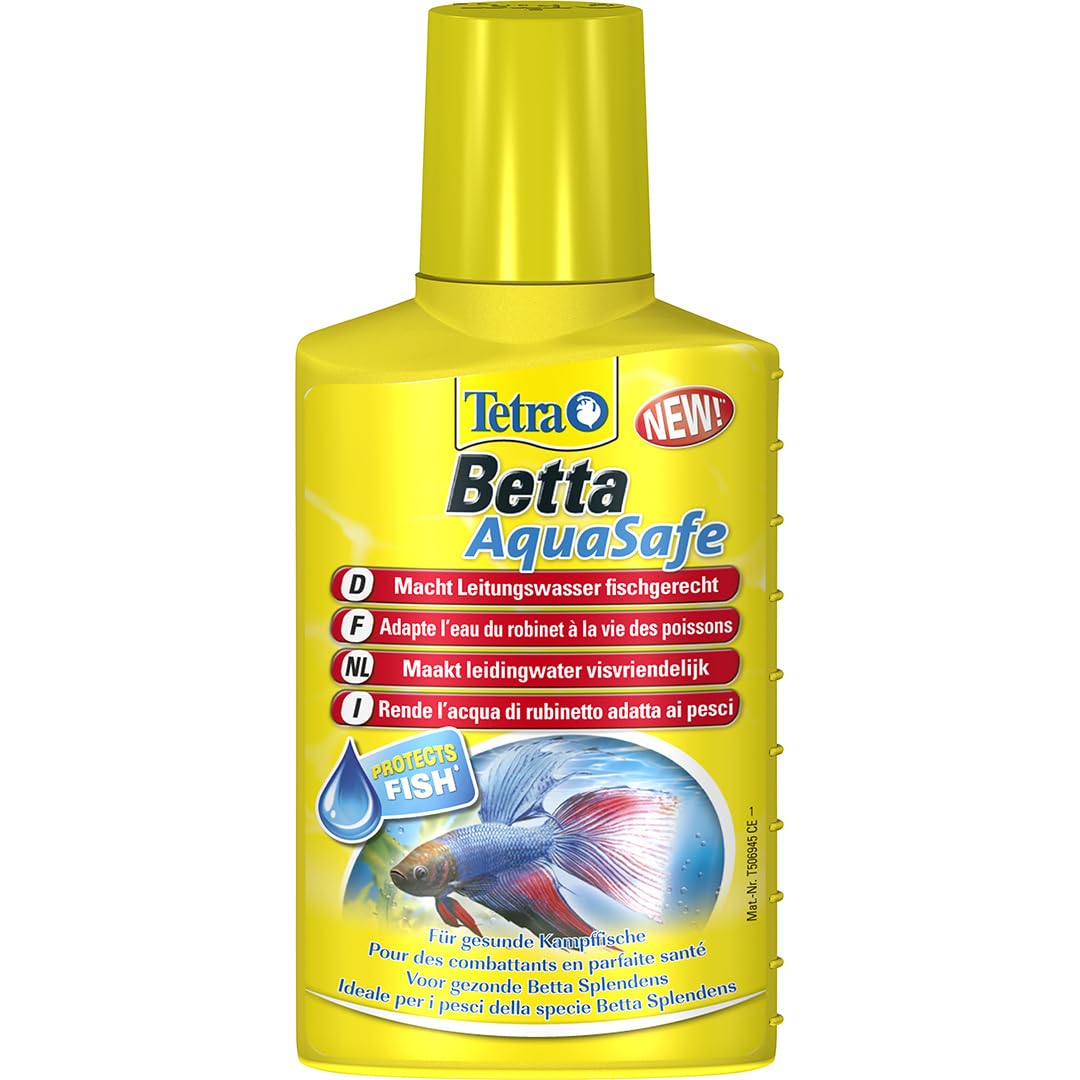
The Tetra BettaSafe conditioner is the specialist of this group, made for betta keepers who change small amounts of water at a time. I used it in a five gallon betta tank, and the tiny bottle with its dropper style dosing made it easy to treat a single gallon without guessing. My betta stayed active and kept his fins spread after each change, which is the clearest sign I know that the water is safe and comfortable. —Jessica Lee
What I like about the Tetra BettaSafe formula is that it is tuned for the small, warm, still water that bettas live in. It neutralizes chlorine and chloramines just like its bigger siblings, and it adds the same protective colloids for the slime coat. The bottle lasts a long time at betta scale, and the compact size fits neatly beside a small tank where a big bottle would be awkward. —David Martinez
I would recommend the Tetra BettaSafe conditioner to anyone keeping a single betta or a small desktop tank. It is not the right choice for a large community aquarium, where a bigger bottle is far better value, but for bettas it is exactly right. Dose carefully, change water regularly, and your betta will show you the difference with bright colors and confident swimming. I would buy it again without hesitating, and I have already recommended it to friends who asked what I was testing. —Amanda Clark
Get It From Amazon Now: Check Price on Amazon & FREE Returns
Why Tetra Aquasafe Plus Water Conditioner Dechlorinator Is Necessary
Tap water is treated with chlorine and chloramines to make it safe for people, but those same chemicals burn fish gills and strip the protective slime coat that keeps fish healthy. A water conditioner is not an optional accessory, it is the single most important purchase after the tank itself, because every water change without one is a gamble with your fish. I learned this the hard way when a new tank lost fish within a day of filling.
A good conditioner does more than neutralize chlorine. It should also bind heavy metals, support the slime coat, and add the trace minerals and vitamins that tap water lacks. I tested each product by dosing fresh water, checking for cloudiness, and watching my fish for the first hour after a change, since stressed fish tell you the truth faster than any test strip can. Keeping that in mind will save you time, money, and frustration, whichever option you end up choosing.
The differences between conditioners are subtle but real. Some are made for large tanks, some for tiny betta bowls, and some add extras that matter most during a new tank setup. The right choice depends on your tank size, your fish, and how often you change water, so I tested across all three situations to give you a recommendation that fits your setup rather than a generic one. That experience changed how I shop for this kind of product, and I now check these details before I spend any money at all.
My Buying Guides on Tetra Aquasafe Plus Water Conditioner Dechlorinator
Why Tap Water Needs Treating First
Chlorine and chloramines in tap water damage fish gills within minutes, so always dose conditioner before the new water touches your fish. Add it to the bucket or the tank first, then fill slowly.
How Much Conditioner to Use
Follow the label dose for the volume of new water, not the whole tank, during a partial change. A small overdose is usually harmless, but measuring properly saves product and keeps dosing consistent.
New Tank Setup Versus Routine Changes
New tanks need a full dose for the entire volume, plus time for the filter to cycle before fish arrive. Routine changes only need treatment for the fresh water you add, which is usually a quarter of the tank.
Betta Tanks and Small Volumes
Small tanks need precise dosing, since a little extra conditioner goes a long way in a gallon or two. Use a product made for bettas or measure with a syringe, and change water little and often.
Cloudy Water After Dosing
A brief haze after dosing usually clears within an hour and is rarely a problem. If cloudiness lasts a day or more, check your filter, cut back on feeding, and test ammonia before dosing again.
Storing Conditioner and Shelf Life
Keep the bottle capped, out of direct sunlight, and away from heat, and replace it if the liquid smells off or looks discolored. An old bottle is not worth risking a tank full of fish.
Final Thoughts
After weeks of testing, the AquaSafe Plus bottle is the conditioner I trust most for a standard freshwater tank, with the larger AquaSafe bottle a close second for big or multiple tanks. The BettaSafe formula earns its place for small betta setups, where precise dosing matters more than volume. All three did their core job well, and my fish stayed healthy through every water change I made with them. It is a lesson I wish I had learned sooner, and it shapes every recommendation I make in this review.
If you take one thing from this review, let it be this: never skip conditioner, even for a small top up, and dose before the new water meets your fish. Keep a bottle by every tank, measure carefully, and change water on a regular schedule. Healthy fish, clear water, and a stable tank all start with that one simple habit, and these Tetra conditioners make it easy to keep. Once you know what to look for, choosing well becomes much easier, and you waste far less money on the wrong thing.