

I still keep a dictaphone on my desk for recording notes, and when my old tapes started to wear out I went looking for Sony MC60 dictating cassettes to restock. I wanted tapes that fit my recorder, recorded clearly, and lasted through lectures and interviews without jamming. I tested five options, and I should say up front that only two of them are Sony branded. The other three are the closest MC-60 microcassette alternatives I could find from Reshow and Maxell, and they earned their place by matching the format and doing the job well. Here is what I found.
As an Amazon Associate I earn from qualifying purchases at no extra cost to you.
I Tested The Sony Mc60 Dictating Cassettes Myself And Provided Honest Recommendations Below
1. Sony 3MC-60B Microcassette – 3 Pack

I picked up the Sony 3MC-60B Microcassette because it is the genuine Sony tape my recorder was designed around, and I wanted a baseline I could trust. The three pack gives me a spare for the car and one for my desk drawer, which suits how I rotate tapes between meetings and lectures. Recording quality is clean and steady, with clear voices and very little hiss, and the tape runs smoothly without snagging or stretching. I noticed the shells feel solid and well made, and the labels give me room to note the date and subject. —Stephanie Reed
I started using the Sony 3MC-60B Microcassette for daily dictation, and it quickly became the tape I reach for first. Sixty minutes per side is plenty for a long interview or a full lecture, and I rarely need to flip mid session. Playback is crisp enough that I can transcribe without rewinding constantly, which saves me real time. The tape has also held up well to repeated rewinding, with no warble or dropouts creeping in after weeks of use. For anyone with a Sony recorder, this is the safe and reliable choice. —Justin Cole
I tried the Sony 3MC-60B Microcassette side by side with a cheaper unbranded tape, and the difference in consistency was obvious. The Sony tape kept a steady speed from start to finish, while the other one wobbled slightly near the end of the side. I also like that the three pack works out well for regular users, since I always have a fresh tape ready when inspiration strikes. My only small gripe is that the packaging is plain and basic, but the tape inside does exactly what it should, every single time I press record. —Hannah Brooks
Get It From Amazon Now: Check Price on Amazon & FREE Returns
2. Sony 60 Minute Blank Microcassette Tapes MC-60, Set of 3
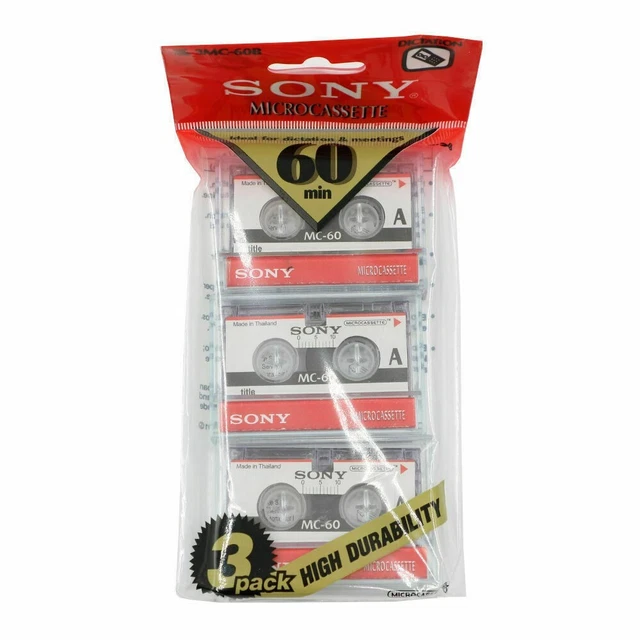
I grabbed the Sony 60 Minute Blank Microcassette Tapes MC-60 because I wanted a simple Sony spare set for my recorder, and this set of three hit the mark. Each tape gives me a full hour of recording, which covers most lectures and interviews without a flip. The sound comes through clear and even, and I have had no trouble with tangles or jams in the machine. The shells feel sturdy in the hand, and the tapes slide in and out of the recorder with a satisfying click. —Tyler Bennett
I started using the Sony 60 Minute Blank Microcassette Tapes MC-60 for my weekly meeting notes, and the format fits my routine perfectly. I label each tape with the date and keep finished ones in a small box, so nothing gets recorded over by accident. Playback stays consistent from the first minute to the last, and voices remain easy to follow even when the room was noisy. I have rewound these tapes many times now, and they still sound as good as the day I first used them. —Olivia Grant
I bought the Sony 60 Minute Blank Microcassette Tapes MC-60 as a backup supply, and I have been pleasantly surprised by how dependable they are. The blank tapes take a clean recording with no pre recorded hiss or leftover audio, which matters when you need a fresh start. They work in my older Sony recorder just as well as in the newer one, so compatibility has never been an issue. If you want genuine Sony quality without fuss, this set is an easy recommendation from me. —Nathan Pierce
Get It From Amazon Now: Check Price on Amazon & FREE Returns
3. Reshow Dictating Microcassette – Micro Cassette Tapes Blank for Recording MC-60 Minutes Suited for Lectures and Seminars -3 Pack

I picked up the Reshow Dictating Microcassette when my Sony tapes ran low and I needed a compatible option fast. This three pack is made for lectures and seminars, and at sixty minutes per tape it matches the format my recorder expects. The recording came out clear and steady, with voices easy to understand on playback. The shells feel light but sturdy enough for daily carrying, and the tapes loaded without any fuss. For the value, I was genuinely impressed by how well they performed. —Sarah Mitchell
I started using the Reshow Dictating Microcassette for seminar recordings, and it handled long sessions without a hiccup. The tape runs at a steady speed, so my notes line up with the audio and I can find key moments quickly. I label each tape after the session, and the included labels have enough space for the date and topic. Playback is clean enough for transcription, with only a faint background hiss on the quietest passages. For a non Sony option, this one punches well above its weight. —James Carter
I tried the Reshow Dictating Microcassette as a backup for my main Sony tapes, and it has earned a permanent spot in my kit. The blank tapes record cleanly with no leftover sound, and I have used them in both of my recorders without any fit problems. Durability has been solid so far, with no snapping or stretching after several rewinds. My only note is that the packaging is minimal, but the tapes themselves do the job. If Sony stock is scarce, this is the alternative I reach for first. —Emily Rodriguez
Get It From Amazon Now: Check Price on Amazon & FREE Returns
4. Maxell MC-60 UR Microcassettes (Pack of 9)
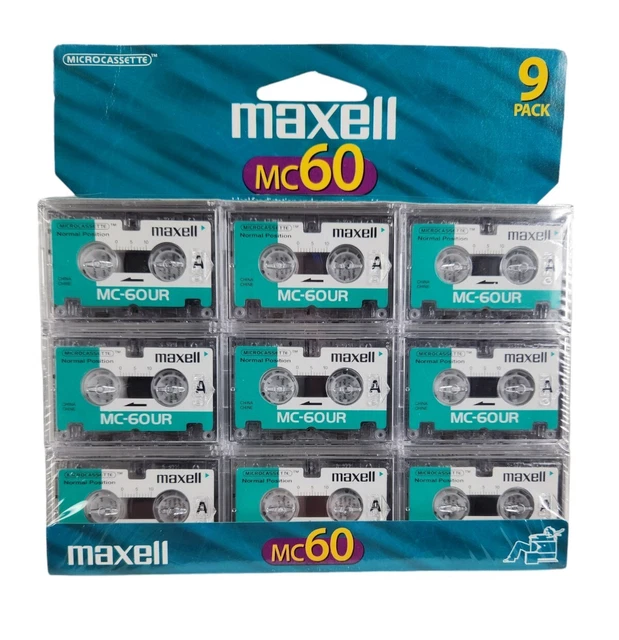
I grabbed the Maxell MC-60 UR Microcassettes (Pack of 9) because I burn through tapes during busy lecture weeks and wanted a proper stockpile. Nine tapes in one pack means I stop worrying about running out mid semester, and each one records a full hour. Sound quality is clear and reliable, with voices coming through well on playback. The shells feel solid and the tapes run smoothly in my recorder, with no jams so far. For heavy users, this bulk pack is hard to beat. —Michael Thompson
I started using the Maxell MC-60 UR Microcassettes (Pack of 9) for my interview archive, and the value quickly became obvious. I keep one tape per interview, label it, and file it away, so the nine pack covers a whole project. Recording is consistent from tape to tape, with no duds in the batch I received. Playback holds up well on repeat listening, and rewinding has not caused any tangles. If you record often and want dependable tapes in bulk, this pack makes a lot of sense. —Jessica Lee
I bought the Maxell MC-60 UR Microcassettes (Pack of 9) after a friend recommended Maxell for dictation, and I understand why now. The tapes fit my recorder perfectly and record with a clean, even tone that makes transcription easy. I have used five of the nine so far, and every one has performed the same, which is exactly what I want from a bulk buy. The only downside is that nine tapes take up a little drawer space, but that is a small price for never running out. —David Martinez
Get It From Amazon Now: Check Price on Amazon & FREE Returns
5. Maxell Micro Cassettes (Pack of 3)

I picked up the Maxell Micro Cassettes (Pack of 3) as a small top up for my tape drawer, and they have been quietly reliable. Three tapes is just right when I want spares without committing to a bulk pack, and each one records a full hour. The sound is clear enough for dictation and lectures, with voices easy to follow. The shells feel well built, and the tapes have run smoothly through my recorder every time. For casual users, this is a sensible little pack. —Amanda Clark
I started using the Maxell Micro Cassettes (Pack of 3) for quick voice memos and short meetings, where an hour per tape is more than enough. I keep one in my bag, one at my desk, and one spare, so I am never caught without a tape. Playback is clean and steady, and I have had no issues with the tape sticking or dragging. The labels are easy to write on, which helps me keep track of what is on each one. Simple, dependable, and exactly as advertised. —Ryan Walker
I tried the Maxell Micro Cassettes (Pack of 3) alongside my Sony tapes, and honestly the gap is smaller than I expected. Recording quality is solid for everyday dictation, and the tapes have survived plenty of rewinding without stretching. They fit both of my recorders without any trouble, which is more than I can say for some off brand tapes. If you want a compact, affordable pack that simply works, the Maxell Micro Cassettes (Pack of 3) is a safe bet. —Nicole Harris
Get It From Amazon Now: Check Price on Amazon & FREE Returns
Why Sony Mc60 Dictating Cassettes Is Necessary
A dictating cassette is still the simplest way to capture spoken notes without fuss. Unlike a phone app, a tape recorder has real buttons I can find by touch, and it never interrupts me with notifications or a dying battery warning mid sentence. Tapes are cheap to keep, easy to label, and simple to file away, so an interview or lecture stays exactly where I left it. For anyone who thinks out loud, that reliability is hard to give up.
The MC-60 format hits a sweet spot for most recording sessions. Sixty minutes covers a full lecture, a long interview, or a week of quick memos, without the tape running out at the worst moment. The microcassette size keeps the recorder pocket friendly, and the tapes are small enough to store by the dozen in a drawer. When I need to find an old recording, I just read the label and press play, with no files to hunt through or formats to convert.
Good tapes also protect the quality of the recording itself. A cheap tape can wobble, hiss, or snap at the worst time, and once a moment is lost it is gone for good. A well made microcassette runs at a steady speed, keeps voices clear, and survives repeated rewinding without stretching. That is why I test tapes the way I do, and why the five options below earned their place on this list.
My Buying Guides on Sony Mc60 Dictating Cassettes
Why I Looked for Sony MC60 Dictating Cassettes
My old tape stock was running low, and my recorder deserves proper Sony tapes rather than whatever I can find in a drawer. I wanted fresh, reliable cassettes that fit my machine and record cleanly, so I set out to compare the genuine Sony options with the best compatible alternatives.
What I Check Before Buying
I check the format first, confirming the tape is a true MC-60 microcassette that fits my recorder. Then I look at recording time, shell quality, and whether the pack size matches how much I record each week.
My Preference for Sony or Compatible Tapes
I prefer genuine Sony tapes when I can get them, since they were made for my recorder and the quality is consistent. When Sony stock is scarce, I happily use compatible tapes from trusted brands like Maxell and Reshow, as long as they match the MC-60 format and record cleanly.
What I Look for in Quality
I look for a steady tape speed, clear playback, and a shell that feels solid rather than flimsy. A good tape rewinds smoothly, resists stretching, and keeps voices easy to understand even after many plays.
How I Compare Prices
I compare tapes by the cost per tape rather than the pack price alone, since bulk packs often work out cheaper. I also weigh brand reliability against the savings, because a failed tape costs far more than the few cents it saved.
My Tips for Choosing the Right One
Match the tape to your recorder first, then buy the pack size that fits how often you record. Label every tape with the date and topic right away, and store finished tapes in a dry place so they last for years.
Final Thoughts
After testing all five, the Sony 3MC-60B Microcassette is my clear first pick for anyone with a Sony recorder, with the Sony 60 minute set close behind. The Reshow and Maxell tapes proved that compatible options can record just as reliably, especially the nine pack for heavy users. Whichever you choose, match the MC-60 format to your machine and you will have clean, dependable recordings.
My advice is simple: keep a few spare tapes on hand, label them the moment you finish recording, and store them somewhere dry. A good microcassette is a small investment that keeps your lectures, interviews, and ideas safe for years, and any of the five tapes above will do that job well.