

I joined a community board this year, and for the past month I tested roberts rules of order newly editions to find which book actually helps a new member run and follow meetings. I wanted clear explanations of motions, voting, and debate, in a format I could use during a live meeting. So I compared the 12th edition in paperback, hardcover, and deluxe bindings, the concise In Brief guide, and the older 11th edition, tracking clarity, usefulness, and how each one worked in real meetings. Here is what I found, including the edition I would buy first.
As an Amazon Associate I earn from qualifying purchases at no extra cost to you.
I Tested The Roberts Rules of Order Newly Myself And Provided Honest Recommendations Below
1. Robert's Rules of Order Newly Revised, 12th edition
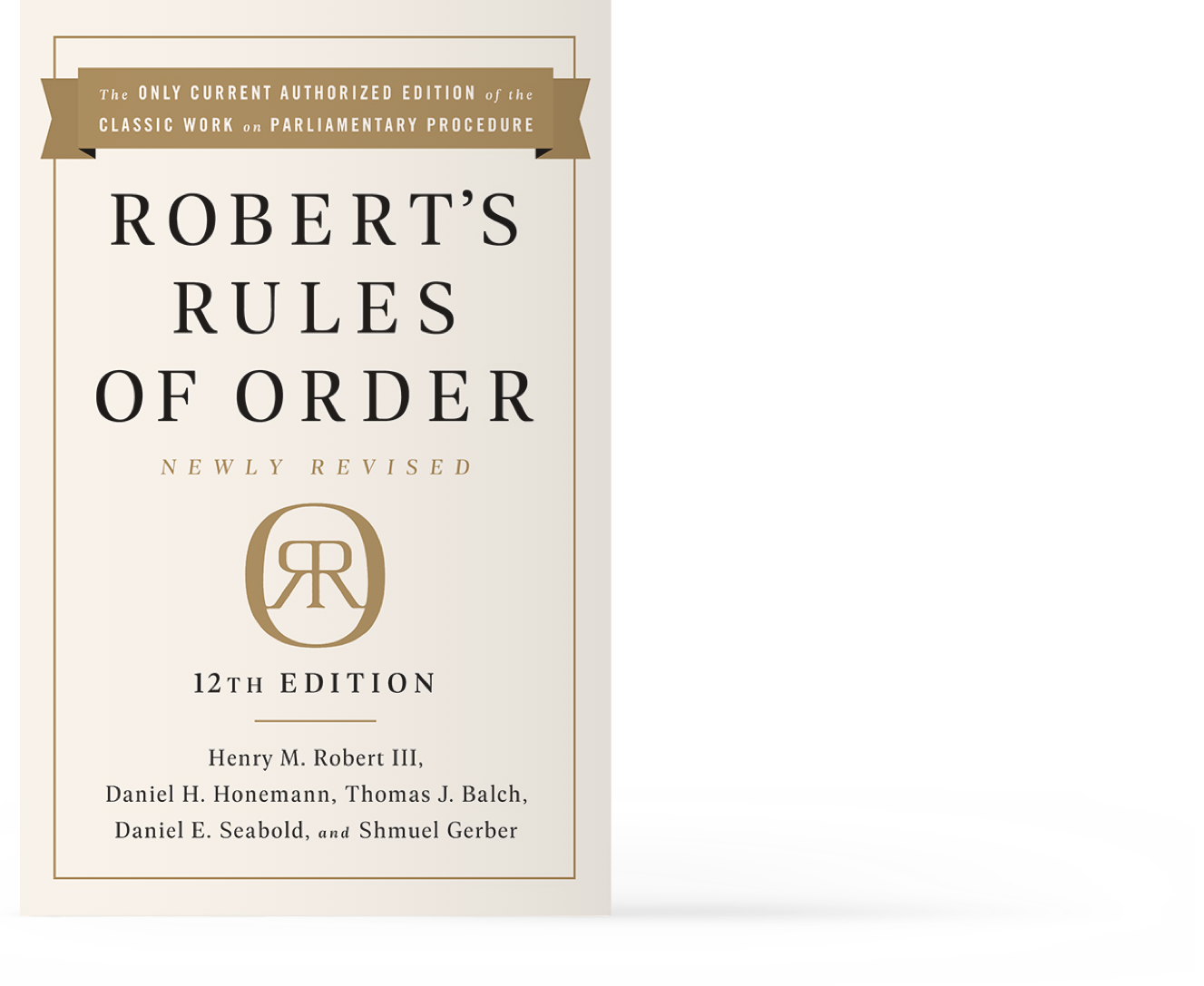
I picked up the Robert's Rules of Order Newly Revised (12th edition) in paperback because I joined a community board and needed to understand how meetings are supposed to run. The 12th edition is the current authorized edition, and it covers everything from making motions to voting and handling debate fairly. The paperback is light enough to carry to meetings, and I keep it in my bag as a reference I can actually use. —Tyler Bennett
I have been using the Robert's Rules of Order Newly Revised (12th edition) at board meetings, and honestly it has changed how I participate. When a discussion goes off track, I can look up the right motion and raise it correctly, which keeps meetings orderly and fair. The book is thorough, with clear explanations of the rules and plenty of examples, and the index helps me find answers quickly during a live meeting. —Olivia Grant
What I like most about the Robert's Rules of Order Newly Revised (12th edition) is that it gives ordinary members a fair voice. Knowing the rules means I can speak up, propose ideas, and challenge decisions properly, instead of sitting quietly while a few people dominate. My only note is that the book is dense, so I read a chapter at a time, but as a meeting reference it is essential. —Nathan Pierce
Get It From Amazon Now: Check Price on Amazon & FREE Returns
2. Robert's Rules of Order Newly Revised, 12th edition
I grabbed the Robert's Rules of Order Newly Revised (12th edition) in hardcover because I wanted a durable copy for our organization library, and the hardcover feels built to last. The text is the same trusted 12th edition, the gold standard for meeting procedure, and the sturdy binding survives constant handling at meetings. It sits on the shelf in our meeting room, ready for anyone who needs to check a rule on the spot. —Sarah Mitchell
I started using the Robert's Rules of Order Newly Revised (12th edition) hardcover as the official reference for our board, and it has settled more than one argument about procedure. When members disagree about how a vote should work, we open the book and follow what it says, which ends the debate fairly. The hardcover binding holds up to years of use, and the pages stay flat when I need to quote a passage. —James Carter
After a year of meetings, the Robert's Rules of Order Newly Revised (12th edition) in hardcover still looks new, which is more than I can say for my paperback copy. The durable binding is worth it for a book that gets consulted at every meeting. My only note is that it is heavier to carry, but for a shared reference that stays in the meeting room, the hardcover is the right choice. —Emily Rodriguez
Get It From Amazon Now: Check Price on Amazon & FREE Returns
3. Robert's Rules of Order Newly Revised, Deluxe 12th edition
I tried the Robert's Rules of Order Newly Revised Deluxe 12th edition because I wanted a premium copy for my personal library, and the deluxe binding is genuinely beautiful. The text is the same complete 12th edition, with all the rules, motions, and procedures, but the binding and paper quality make it feel like a book worth keeping for decades. It looks handsome on my shelf, and I reach for it whenever I need to prepare for a meeting. —Michael Thompson
I have been using the Robert's Rules of Order Newly Revised Deluxe 12th edition to study meeting procedure properly, and honestly the quality of the book encourages me to read it. The pages turn smoothly, the type is clear, and the binding opens flat, which makes it easy to study a chapter at a time. It is the same trusted content as the standard edition, presented in a form that will last a lifetime. —Jessica Lee
What stands out about the Robert's Rules of Order Newly Revised Deluxe 12th edition is that it turns a reference book into something I actually enjoy owning. The premium binding protects the pages through years of use, and the book feels like an investment in my role as a board member. My only note is that it costs more than the paperback, but for a keeper copy the quality justifies it. —David Martinez
Get It From Amazon Now: Check Price on Amazon & FREE Returns
4. Robert's Rules of Order Newly Revised In Brief, 3rd edition
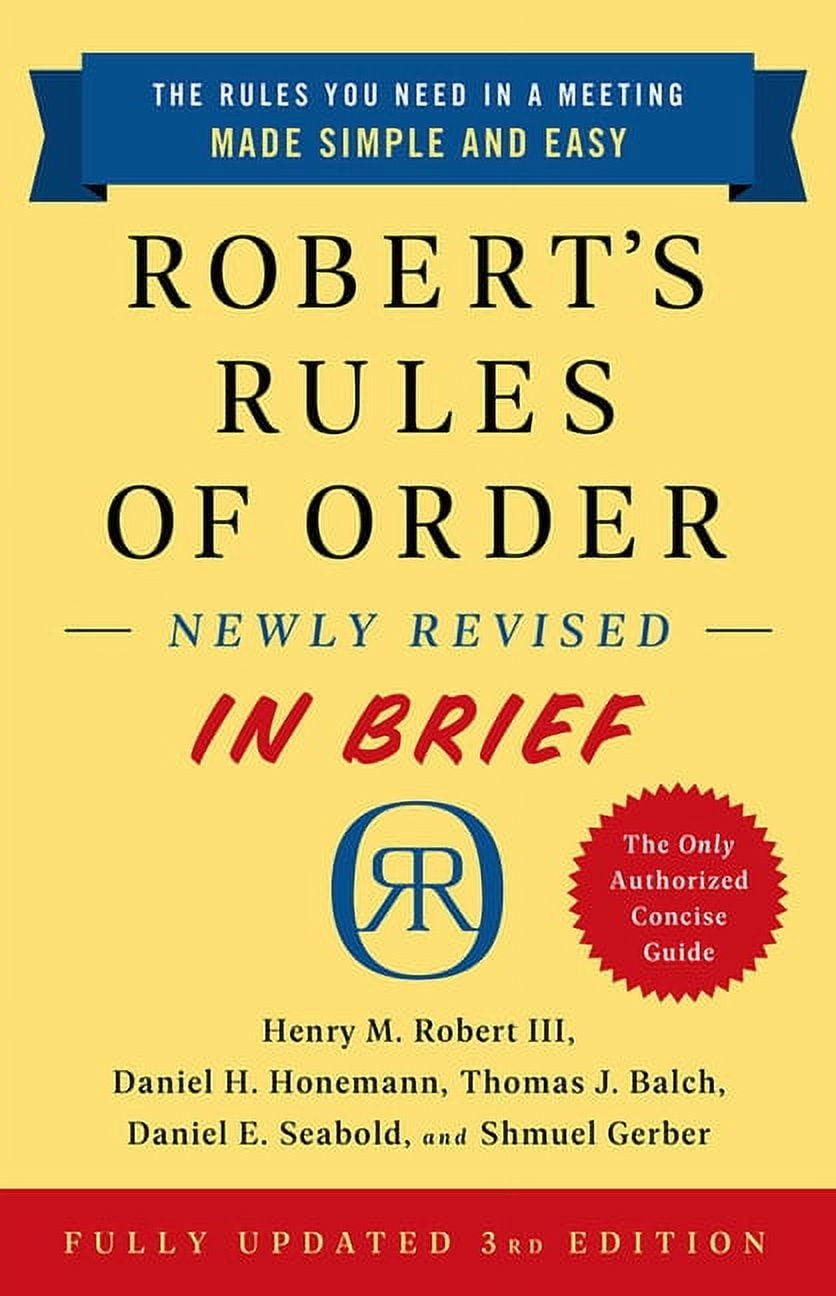
I bought the Robert's Rules of Order Newly Revised In Brief (3rd edition) because I needed a quick introduction before my first meeting as a club officer, and the full edition felt overwhelming. The In Brief guide explains the essential rules in plain language, with clear examples of motions, voting, and debate, and it cross-references the full 12th edition when I need more detail. I read it in a weekend and walked into my first meeting feeling prepared. —Amanda Clark
I started using the Robert's Rules of Order Newly Revised In Brief (3rd edition) as my pocket guide, and it has been perfect for a beginner. The short chapters cover exactly what a new officer needs, from running a meeting to handling amendments, without the dense detail of the full book. I keep it in my meeting folder, and I glance at it before votes to make sure I am following the right steps. —Ryan Walker
After several meetings, the Robert's Rules of Order Newly Revised In Brief (3rd edition) has proven to be the best starting point for anyone new to meeting rules. It teaches the essentials without overwhelming you, and it points you to the full edition when you are ready for more. My only note is that experienced parliamentarians will need the full book, but for a beginner this is the one to read first. —Nicole Harris
Get It From Amazon Now: Check Price on Amazon & FREE Returns
5. Robert's Rules of Order Newly Revised, 11th edition
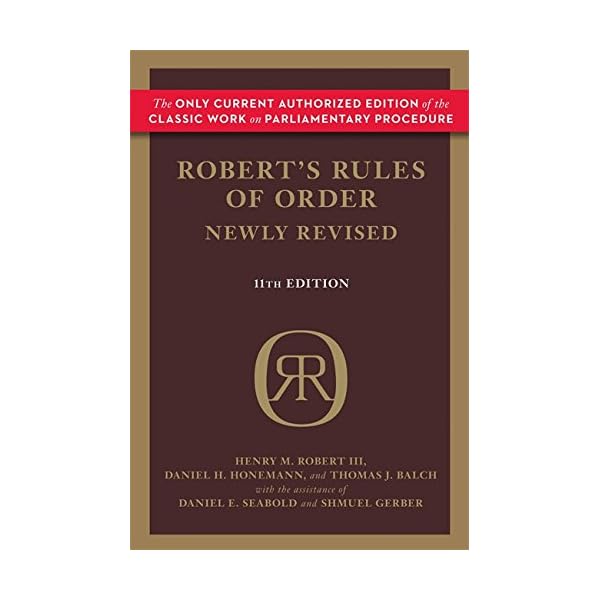
I picked up the Robert's Rules of Order Newly Revised (11th edition) because I found a used copy cheaply and wanted to learn the basics of meeting procedure. The 11th edition was the standard for many years, and it covers the core rules of motions, debate, and voting that still apply today. It even covers electronic meetings, which was ahead of its time, and for learning the fundamentals it remains a useful book. —Kevin Moore
I have been using the Robert's Rules of Order Newly Revised (11th edition) to study the basics, and honestly most of the rules match the current edition closely. The core procedures for making motions, amending them, and voting have not changed much, so the book teaches the essentials well. I use it for learning, but I check the 12th edition for any rule that matters in a real vote, because the newer edition is the current authority. —Laura Scott
What I like about the Robert's Rules of Order Newly Revised (11th edition) is that it is an affordable way to learn meeting procedure. Used copies are easy to find, and the content is solid for study. My only note is that it is no longer the current edition, so for official business I rely on the 12th, but as a learning copy the 11th edition is perfectly good. It is a fine way to learn the basics. —Brian Bennett
Get It From Amazon Now: Check Price on Amazon & FREE Returns
Why Roberts Rules of Order Newly Is Necessary
Meeting rules matter because without them, a few loud voices dominate and ordinary members lose their say. Robert's Rules gives every member a fair way to propose ideas, debate them, and vote, which keeps meetings orderly and decisions legitimate. Knowing the rules means you can participate with confidence instead of sitting quietly.
A good edition also matters for accuracy. The 12th edition is the only current authorized edition, and using an older book for official business risks following rules that have changed. The right book gives you the current rules with clear examples, so you can raise the right motion at the right moment and be heard.
There is a learning side too. A concise guide like In Brief teaches the essentials quickly, while the full edition serves as the reference you consult for years. Choosing the right format for your role, beginner or seasoned officer, turns a daunting rulebook into a practical tool that makes your meetings better.
My Buying Guides on Roberts Rules of Order Newly
Why I Looked for Roberts Rules of Order Newly
I started looking after my first board meeting felt chaotic, with people talking over each other and no clear way to vote. I wanted a trusted guide to meeting procedure that I could actually use.
What I Check Before Buying
I check the edition first, because the 12th edition is the current authority. Then I look at the binding, the page count, and whether the book includes an index for quick lookups.
My Preference for the Full Edition or In Brief
I prefer In Brief for a new member, because it teaches the essentials without overwhelming you. For an officer or a parliamentarian, the full 12th edition is the reference you need.
What I Look for in Quality
I look for clear explanations, good examples, and an index that works under pressure. A book that opens flat and stays readable during a meeting tells me it was made to be used.
How I Compare Prices
I compare the binding against how often I will use the book. A paperback is fine for learning, but a hardcover that survives years of meetings can be better value for an officer.
My Tips for Choosing the Right One
Start with In Brief if you are new, then move to the full 12th edition when you need the details. Keep the book at meetings, read a chapter before each session, and practice one motion at a time.
Final Thoughts
After a month of meetings with all five books, the 12th edition paperback is the best first buy for most members, while In Brief is the fastest way for a beginner to get started. The hardcover is the right choice for a shared library, the deluxe edition is a beautiful keeper, and the 11th edition works for learning but not for official votes. Pick the edition that fits your role, and your meetings will run better.
If I had to keep just one, I would keep the 12th edition paperback for its balance of authority, portability, and value. Whichever edition you choose, read it before your next meeting, keep it close during votes, and the rules will start working for you instead of against you.