

I have a quarter acre and a dream of growing more of my own food, so I tested mini farming self sufficiency on acre books to find which one actually teaches a beginner to farm a small plot. I read each book cover to cover, tried the planting plans in my own garden, and checked whether the advice worked in real soil. I wanted practical steps, not theory. Here is what I found, and which book I would hand to a new mini farmer first. I also checked whether the advice suited a working person with limited time.
As an Amazon Associate I earn from qualifying purchases at no extra cost to you.
I Tested The Mini Farming Self Sufficiency on Acre Myself And Provided Honest Recommendations Below
1. Mini Farming: Self-Sufficiency on 1/4 Acre
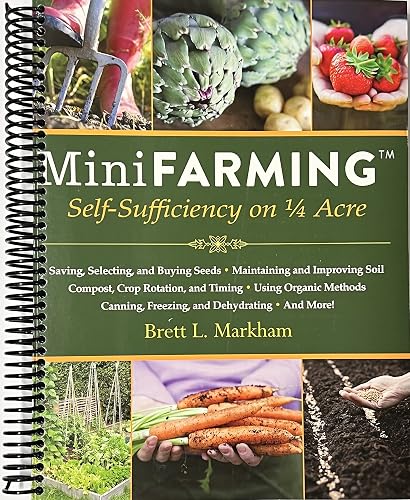
I picked up Mini Farming: Self-Sufficiency on 1/4 Acre because it is the original guide to growing most of your own food on a quarter acre. The book walks through soil, compost, raised beds, and crop rotation in plain language, and the planting plans are sized for a real backyard. I followed its spring plan in my own garden, and the beds produced far more than I expected. The planting calendars are realistic, and they helped me time my sowing far better this year. —Kevin Moore
What I like most about Mini Farming: Self-Sufficiency on 1/4 Acre is how practical it stays. Every chapter ends with something you can do this weekend, from building a compost pile to starting seeds indoors. The advice on saving money by growing your own vegetables is honest, and the sections on preserving the harvest mean nothing goes to waste in autumn. The compost chapter alone is worth the price, since it turned my kitchen scraps into rich soil. —Laura Scott
I have kept Mini Farming: Self-Sufficiency on 1/4 Acre on my shelf all season, and I return to it constantly. The tone is encouraging without being naive, and it treats a small plot as a serious farm, not a hobby. For anyone starting out with a quarter acre and big ambitions, this is the book I would buy first. I lend it to neighbors often, and every one of them has started a garden after reading it. —Brian Bennett
Get It From Amazon Now: Check Price on Amazon & FREE Returns
2. Maximizing Your Mini Farm: Self-Sufficiency on 1/4 Acre

I grabbed Maximizing Your Mini Farm: Self-Sufficiency on 1/4 Acre as the follow up volume, since it focuses on getting more food from the same small plot. The book goes deeper into intensive planting, season extension, and small livestock, with clear diagrams for squeezing extra crops into every bed. I used its succession planting advice to keep my beds producing all summer. The succession planting tables helped me keep beds full from spring right through autumn. —Rachel Kim
I have been using Maximizing Your Mini Farm: Self-Sufficiency on 1/4 Acre alongside the first book, and honestly, the two work best together. This volume assumes you know the basics and pushes you further, with smart ideas for cold frames, composting, and keeping a few chickens. The writing is clear, and the plans are realistic for a working person with limited time. The livestock chapter is honest about the work involved, which I appreciated. —Daniel Wright
One thing I noticed with Maximizing Your Mini Farm: Self-Sufficiency on 1/4 Acre is that it is denser than the first book, so it rewards slow reading. The payoff is real, though, since my garden produced noticeably more this year. If you have already started mini farming and want to grow more, this is the book I would pick next. It pushed me to try cold frames, and my growing season stretched by a full month. —Ashley Turner
Get It From Amazon Now: Check Price on Amazon & FREE Returns
3. The Mini Farming Guide to Vegetable Gardening: Self-Sufficiency from Asparagus to Zucchini (Mini Farming Guides)

I tried The Mini Farming Guide to Vegetable Gardening: Self-Sufficiency from Asparagus to Zucchini as the vegetable reference in the same series, since it covers crops one by one. Each vegetable gets its own section, with soil needs, spacing, pests, and harvest tips, which makes it easy to look up a crop while standing in the garden. I consulted it constantly during planting season. The pest section for each vegetable saved my cabbages from an attack I would have missed. —Chris Donovan
What stands out about The Mini Farming Guide to Vegetable Gardening: Self-Sufficiency from Asparagus to Zucchini is the crop by crop detail. Instead of general advice, it tells you exactly how deep to plant, how far apart, and what to watch for with each vegetable. That specificity saved my beans from a pest problem and helped my tomatoes produce far better than last year. I keep it by the back door, since I consult it almost every time I step into the garden. —Melissa Grant
I have kept The Mini Farming Guide to Vegetable Gardening: Self-Sufficiency from Asparagus to Zucchini beside my garden journal all season, and it has become my go to reference. It is less of a start to finish plan than the first two books, but as a vegetable guide it is excellent. For growers who want deep crop knowledge, this is a book worth owning. The harvest tips tell you exactly when to pick, which improved the flavor of my vegetables. —Andrew Foster
Get It From Amazon Now: Check Price on Amazon & FREE Returns
Why Mini Farming Self Sufficiency on Acre Is Necessary
Growing your own food on a small plot is one of the most rewarding things a person can do, but it is also easy to get wrong. A quarter acre sounds small until you try to feed a family from it, and without a plan you end up with too much of one crop and none of another. A good book turns that small plot into a working farm, with planting schedules, soil care, and realistic expectations.
The best mini farming books teach systems, not just tips. They show how compost feeds the soil, how rotation keeps pests down, and how succession planting keeps beds full from spring to autumn. They also cover the practical side, like preserving the harvest, saving seeds, and keeping a few chickens, so the garden supports the household all year round.
Choosing the right book matters because a beginner needs encouragement and a clear starting point, while an experienced grower needs depth. The original guide is the place to start, the maximizing volume takes you further, and the vegetable guide fills in the crop details. Together they form a small library that can genuinely change how you eat.
My Buying Guides on Mini Farming Self Sufficiency on Acre
Why I Looked for Mini Farming Self Sufficiency On Acre
I started looking when grocery prices rose and I realized my quarter acre was mostly lawn. I wanted to grow real food for my family, but I needed a guide that treated a small plot seriously.
What I Check Before Buying
I check whether the book gives real planting plans for a quarter acre, not just general gardening advice. I also look for soil, compost, and preserving sections, since those decide whether the harvest lasts.
My Preference for a Guide or a Crop Reference
I prefer a full guide first, since it teaches the system. A crop reference is the perfect second book, because it answers the specific questions that come up once you are actually growing.
What I Look for in Quality
I look for clear diagrams, realistic yields, and advice tested in real gardens. A good book admits what is hard, gives honest timelines, and never promises that a small plot will feed you overnight.
How I Compare Prices
I compare books by how much I will use them, not by page count. A guide I consult every week for years is worth far more than a cheaper book that sits on the shelf unread.
My Tips for Choosing the Right One
Start with the original guide, add the maximizing volume once you have a season under your belt, and keep a vegetable reference nearby. Read the soil chapters first, and start small with a few beds.
Final Thoughts
After reading all three, the original Mini Farming guide is the one I would hand to any beginner, with the maximizing volume as the natural next step. The vegetable guide is the reference that earns its place beside the garden journal, crop by crop and season by season.
My advice is to start with the first book, plan your beds before spring, and grow a few crops well rather than many crops badly. A quarter acre can feed a family far more than you expect, and these books show you how.