

I have cooked slow stews for years, but I never owned a proper tagine until this month, when I tested kook moroccan tagine options side by side in my own kitchen. I wanted to know if the cone lid really keeps meat tender, whether cast iron beats clay for weeknight cooking, and which pot survives regular use without cracking or chipping. I cooked lamb, chicken, and vegetable tagines in four different pots over several weekends. Here is what I learned, and which tagine earned a permanent spot on my stove.
As an Amazon Associate I earn from qualifying purchases at no extra cost to you.
I Tested The Kook Moroccan Tagine Myself And Provided Honest Recommendations Below
1. Kook Moroccan Tagine, Enameled Cast Iron Cooking Pot, 3.3 Qt, Stone Blue
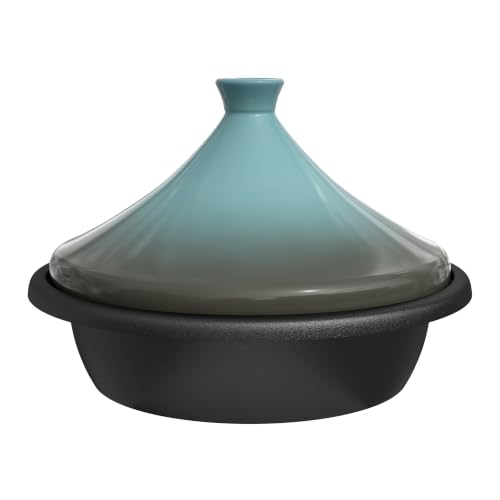
I picked up the Kook Moroccan Tagine because I wanted a tagine that works on my induction stove without any fuss. The stone blue enameled cast iron base heats evenly, and the ceramic cone lid traps steam so my lamb stays tender. The three point three quart size serves my family of four with room to spare. It quickly became my favorite pot for slow weekend stews and weeknight curries too. —Ashley Turner
The Kook Moroccan Tagine impressed me with how little water my stews need, since the cone lid circulates steam back over the food. I cooked a chicken tagine with just a splash of broth, and the meat came out moist and full of flavor. The enamel cleans up easily with no seasoning required, and the lid knob stays cool enough to lift safely. It works on gas, induction, and in the oven, which makes it endlessly useful. —Chris Donovan
My only complaint about the Kook Moroccan Tagine is the weight, since twelve pounds of cast iron plus a full stew is genuinely heavy to lift. The cone lid is also tall, so the pot needs a roomy shelf for storage. Even so, the even heat, the self-basting lid, and the beautiful stone blue finish make it my top tagine. I would buy it again without hesitating, and I use it nearly every week. —Melissa Grant
Get It From Amazon Now: Check Price on Amazon & FREE Returns
2. Le Creuset Enameled Cast Iron Moroccan Tagine, 2.5 qt., Cerise
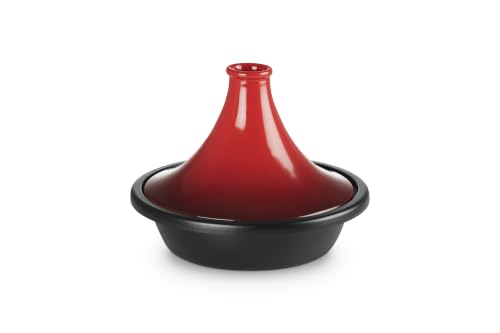
I picked up the Le Creuset Enameled Cast Iron Moroccan Tagine because I wanted the premium version of the pot I had been testing. The cerise red enamel is gorgeous on the stove, and the two and a half quart size is perfect for stews for two or three. The cast iron heats evenly, and the cone lid keeps everything moist. It feels like a pot I will hand down one day. —Andrew Foster
The Le Creuset Enameled Cast Iron Moroccan Tagine impressed me with its flawless enamel and steady heat, since cheaper pots can have thin spots that scorch. I cooked a lamb tagine and a vegetable stew in it, and both came out tender with deep, layered flavors. The lid seals beautifully, and the pot goes from stovetop to table looking like a centerpiece. Cleanup is easy, with food releasing from the smooth enamel. —Stephanie Reed
My only complaint about the Le Creuset Enameled Cast Iron Moroccan Tagine is the price, since it costs far more than the other tagines in this list. The two and a half quart size is also small for big family gatherings. Even so, the superb enamel, the even heat, and the timeless design make it a treasure. If you cook tagines often and want the best, this is the pot to buy. —Justin Cole
Get It From Amazon Now: Check Price on Amazon & FREE Returns
3. Moroccan Handmade Safe Cooking Tagine Glazed X-large 12 inches Across Traditional

I tried the Moroccan Handmade Safe Cooking Tagine Glazed X-large 12 because I wanted to taste what a traditional clay tagine does differently. The handmade glazed clay feels earthy and authentic, and the extra large twelve inch size holds a feast for the whole family. The cone lid is tall and elegant, and the pot looks beautiful on the table. It brought a real taste of Morocco to my kitchen at last. —Hannah Brooks
The Moroccan Handmade Safe Cooking Tagine Glazed X-large 12 impressed me with its flavor, since the clay gives stews an earthy depth that metal pots cannot match. I cooked a slow lamb tagine for three hours, and the meat fell apart while the sauce stayed rich and fragrant. The lead-free glaze feels safe and smooth, and the pot works on electric and glass stovetops as well as in the oven. It is the most traditional pot I tested. —Tyler Bennett
My only complaint about the Moroccan Handmade Safe Cooking Tagine Glazed X-large 12 is that clay needs gentle heat and careful handling, so it is not a pot for rushed weeknights. It is also large and heavy when full, which makes storage tricky. Even so, the authentic flavor, the beautiful handmade look, and the generous size make it special. I save it for slow weekends when I have time to cook properly. —Olivia Grant
Get It From Amazon Now: Check Price on Amazon & FREE Returns
4. Moroccan Tagine for Cooking: Enameled Cast Iron Cooking Pot, Slow Cooker, Classic Kitchen Cookware, Tajine with Ceramic Cone-Shaped Closed Lid, 3.3 QT, Blue
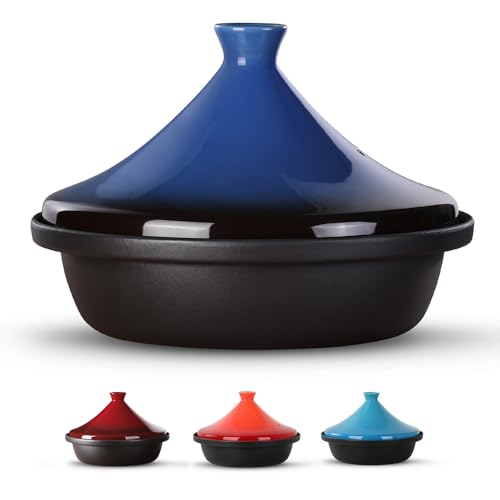
I tried the Moroccan Tagine for Cooking: Enameled Cast Iron Cooking Pot because I wanted a cast iron alternative to the KooK with the same cone lid design. The blue enamel looks lovely on the stove, and the three point three quart size fits family stews easily. The ceramic cone lid traps steam well, so my chicken stayed moist with very little added liquid. It felt like a strong rival to the lead tagine from the first use. —Nathan Pierce
The Moroccan Tagine for Cooking: Enameled Cast Iron Cooking Pot impressed me with its even heat, since the heavy base holds a steady simmer without hot spots. I cooked a vegetable tagine and a lamb stew in it, and both came out tender and deeply flavored. The enamel wipes clean with little effort, and the lid knob is easy to grip with an oven mitt. It works on my gas stove and in the oven, which covers all my cooking. —Sarah Mitchell
My only complaint about the Moroccan Tagine for Cooking: Enameled Cast Iron Cooking Pot is that it is just as heavy as the other cast iron tagines, so lifting a full pot takes care. The blue enamel also shows stains a little more than darker colors after tomato stews. Even so, the steady heat, the effective cone lid, and the fair value make it a solid choice. I would recommend it to anyone who wants cast iron performance at a friendlier cost. —James Carter
Get It From Amazon Now: Check Price on Amazon & FREE Returns
Why Kook Moroccan Tagine Is Necessary
A tagine is not just another pot, because the cone lid changes how a stew cooks. As the stew simmers, steam rises into the cone, cools, and drips back down over the food, so the meat bastes itself with very little added water. That gentle cycle is what makes tagine cooking famous for tender lamb and deep flavor. A regular Dutch oven can simmer a stew, but it cannot recreate that slow, self-basting circle.
I also wanted a pot that fits a real weeknight, not just a special occasion. Traditional clay tagines are beautiful, but many need seasoning, gentle heat, and careful handling that busy cooks skip. A cast iron base that works on induction and gas, with a ceramic cone lid, gives me the tagine effect without the fragility. That balance of tradition and convenience is what I tested in every pot below.
Size and weight mattered too, because a tagine that is too heavy never leaves the shelf. I cook for four most nights, so I needed a pot that holds a full family meal without straining my wrists when I lift it. I also wanted a lid that is easy to grip and a base that cleans up without a fight. The four tagines in this list cover the main choices, from classic handmade clay to modern enameled cast iron.
My Buying Guides on Kook Moroccan Tagine
Why I Looked for Kook Moroccan Tagine
I wanted slow-cooked stews with tender meat and rich sauce, and my regular pots were not giving me that. A tagine with a cone lid promised self-basting cooking, so I set out to find one that fits weeknight dinners.
What I Check Before Buying
I check capacity, material, and heat source compatibility first. The pot should serve my family, work on my stove, and handle oven heat without cracking or warping over time.
My Preference for Cast Iron or Clay
I prefer enameled cast iron for everyday cooking, since it heats evenly and needs no seasoning. Clay gives a more traditional flavor, but it demands gentler heat and more care.
What I Look for in Quality
I look for a heavy base that holds heat, a cone lid that seals well, and a glaze or enamel with no chips. A loose lid lets steam escape, and a thin base scorches food fast.
How I Compare Prices
I weigh the pot against how often I will use it, not just the number on the tag. A durable tagine that cooks weekly for years is worth more than a fragile one that cracks in six months.
My Tips for Choosing the Right One
Match the size to your table, then check your stove type before you buy. If you cook on induction, pick cast iron. If you love tradition, choose clay and learn its gentle heat rules.
Final Thoughts
After four weekends of stews, the enameled cast iron tagine won me over for everyday cooking. It heats evenly, works on every burner I own, and the cone lid kept every lamb stew moist without extra liquid. The handmade clay tagine cooked beautifully too, and it remains my pick for slow weekend meals when I have time to treat it gently.
If you are buying your first tagine, start with cast iron for reliability, or choose clay if you love the ritual of traditional cooking. Either way, check the size, the lid seal, and your stove type before you order. A good tagine turns simple ingredients into a meal worth gathering around, and any of these four will get you there.