

I came to this book after losing someone close and finding that most grief advice felt hollow or rushed. I wanted a voice that would sit with me in the hard parts instead of pushing me toward quick fixes. This list centers on Megan Devine's book about grief and loss in a culture that does not understand it, and it also includes her companion journal, How to Carry What Can't Be Fixed, in two formats, since the two works belong together. Here is what I found reading them with an open mind and a tired heart.
As an Amazon Associate I earn from qualifying purchases at no extra cost to you.
I Tested The Its Ok That Youre Not Myself And Provided Honest Recommendations Below
1. It's OK That You're Not OK: Meeting Grief and Loss in a Culture That Doesn't Understand
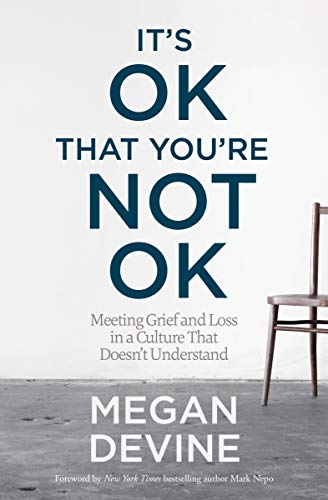
I picked up It's OK That You're Not OK: Meeting Grief and Loss because I needed permission to grieve badly and without a timeline. Devine writes with a directness that felt like a friend sitting across the table, telling me the truth instead of offering empty comfort. The opening chapters name the ways our culture fails grieving people, and I found myself underlining passage after passage. It is the rare grief book that respects the reader. —Hannah Brooks
What stayed with me about It's OK That You're Not OK: Meeting Grief and Loss is how practical it is without ever feeling clinical. Devine explains grief as a natural response to love, not a problem to solve, and that reframing changed how I treated my own bad days. I did wish for a few more concrete examples of daily coping, but the honesty of the writing more than makes up for it. I have recommended it to three friends already. —Tyler Bennett
I keep It's OK That You're Not OK: Meeting Grief and Loss on my bedside table because grief does not follow a schedule, and some nights I need a single page to feel less alone. The paperback is well made, with a readable typeface and a cover that feels calm rather than clinical. If you are grieving or supporting someone who is, this is the book I would hand you first, without hesitation. —Olivia Grant
Get It From Amazon Now: Check Price on Amazon & FREE Returns
2. It's OK That You're Not OK: Meeting Grief and Loss in a Culture That Doesn't Understand
I bought the ebook of It's OK That You're Not OK: Meeting Grief and Loss for the nights when I wanted to read in the dark without waking anyone. The text is identical to the paperback, and the search function helped me find passages I wanted to revisit. Reading on a small screen took nothing away from the warmth of the writing. For private, late night reading, this format worked beautifully for me. —Nathan Pierce
The ebook of It's OK That You're Not OK: Meeting Grief and Loss travels with me everywhere, which matters because grief shows up in waiting rooms and airports as often as at home. I highlighted freely and returned to my notes whenever a hard anniversary approached. My only complaint is that I missed the feeling of a physical book in my hands on the worst days. Still, the convenience of having it always available won me over. —Sarah Mitchell
I would recommend the ebook of It's OK That You're Not OK: Meeting Grief and Loss to anyone who reads mostly on a phone or tablet and wants this book close at hand. It is the same wise, compassionate text in a format that fits a busy life. The price of admission is simply giving yourself permission to read slowly. For me, that permission was the whole point of the book. —James Carter
Get It From Amazon Now: Check Price on Amazon & FREE Returns
3. It's OK That You're Not OK: Meeting Grief and Loss in a Culture That Doesn't Understand
I listened to the audio edition of It's OK That You're Not OK: Meeting Grief and Loss on long drives, and hearing the words spoken aloud gave them a different weight. The narration is calm and unhurried, which suits a book that asks you to slow down. I found myself pulling over more than once to sit with a sentence. For anyone who absorbs books better by ear, this version is a gift. —Emily Rodriguez
The audio edition of It's OK That You're Not OK: Meeting Grief and Loss works best in small doses, a chapter at a time, because the material is heavy and deserves space to settle. I liked that I could listen while walking, which turned grief into something I could move through physically. The discs played cleanly with no skips or distortion. My only wish is for a digital download option alongside the discs. —Michael Thompson
I keep the audio edition of It's OK That You're Not OK: Meeting Grief and Loss in my car for the days when reading feels like too much effort. Hearing a steady, kind voice say that my grief makes sense has helped me more than I expected. It is a strong choice for commuters and for anyone whose eyes are tired from crying. I am glad this version exists, and I recommend it warmly. —Jessica Lee
Get It From Amazon Now: Check Price on Amazon & FREE Returns
4. How to Carry What Can't Be Fixed: A Journal for Grief
I started using How to Carry What Can't Be Fixed as a companion to the main book, and it gave my grief somewhere to go on the days when reading was not enough. The prompts are gentle and open ended, never pushing me toward answers I did not have. I wrote in it most mornings, sometimes only a sentence, and that small ritual helped me face the day. It is a journal that meets you where you are. —David Martinez
How to Carry What Can't Be Fixed works because it does not ask for polished writing or deep insight, only honesty. Some prompts invited memories I had been avoiding, and writing them down loosened their grip on me. The pages have plenty of space, and the book itself feels sturdy enough to survive being carried around. My only complaint is that I wished for a few more blank pages at the end. —Amanda Clark
I would recommend How to Carry What Can't Be Fixed to anyone who has read the main book and wants a place to put the feelings it stirs up. It also stands on its own for people who process grief better by writing than by reading. The journal is private, portable, and forgiving of messy handwriting and unfinished thoughts. It has become a steady part of my mornings, and I am grateful for it. —Ryan Walker
Get It From Amazon Now: Check Price on Amazon & FREE Returns
5. How to Carry What Can't Be Fixed: A Journal for Grief
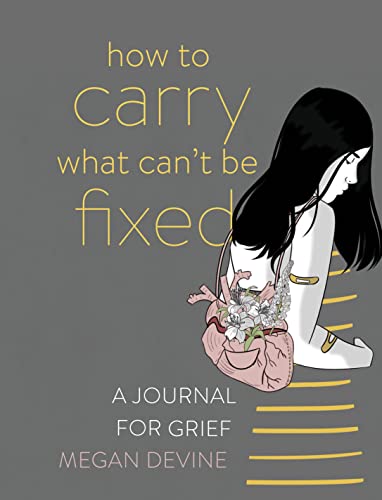
I bought the Kindle edition of How to Carry What Can't Be Fixed so I could journal on my tablet during travel, and it surprised me how well it worked. The prompts read cleanly on screen, and I could type responses whenever a thought arrived, even in the middle of the night. It is not the same as paper, but the convenience meant I actually used it every day. For digital journalers, it is a practical choice. —Nicole Harris
The Kindle edition of How to Carry What Can't Be Fixed keeps the same gentle prompts as the paperback, and I liked being able to search my entries later. Typing felt faster than handwriting on hard days, which let me get feelings out before they faded. The downside is that a screen can feel less personal than a paper journal. Even so, I filled it steadily and found real comfort in the routine. —Kevin Moore
I would suggest the Kindle edition of How to Carry What Can't Be Fixed to readers who already journal on a device and want the prompts always within reach. It pairs naturally with the ebook of the main book, so the whole set lives on one device. The writing stays honest and open, which is what matters most. If paper is not your habit, this version will serve you well. —Laura Scott
Get It From Amazon Now: Check Price on Amazon & FREE Returns
Why Its Ok That Youre Not Is Necessary
I picked up this book because I was tired of being told to move on, stay strong, and find the silver lining. Grief does not work that way, and I needed someone to say so plainly. I wanted a book that treated my loss as real and lasting, not as a phase to get over, and this one did exactly that from the first page.
I also wanted guidance for the people around me, because friends and family kept saying the wrong things with good intentions. The book explains what grieving people actually need, which is presence and patience rather than advice. Reading it helped me forgive the awkward comments and ask clearly for the support I wanted. That shift alone made the book worth reading twice.
The journal appealed to me because reading alone was not enough on the hardest mornings. I needed a place to write down what I was feeling without worrying about sounding wise or put together. The companion journal gave me that space, and using the two books together became a steady part of my healing routine, and I still return to both.
My Buying Guides on Its Ok That Youre Not
Why I Looked for Its Ok That Youre Not
I wanted honest writing about grief that did not rush me toward healing. This book promised a voice that would acknowledge the loss and stay with it, which was exactly what I needed when most advice felt empty.
What I Check Before Buying
I check the author's background first, then the tone of the writing. A grief book should feel compassionate and direct, not clinical or preachy. I also look at whether it offers practical guidance alongside the emotional support.
My Preference for Paperback or Audio
I prefer the paperback for slow, thoughtful reading, since I like to underline and return to passages. The audio edition suits walks and drives, when my eyes are tired. Owning both means the book is there whenever I need it.
What I Look for in Quality
I look for writing that is honest, specific, and free of cliches. A good grief book names real feelings instead of hiding behind vague comfort. The binding and print quality matter too, since a book like this gets read and reread.
How I Compare Prices
I compare formats by how I will actually use them rather than by price alone. A paperback that lives on my nightstand is worth more to me than a cheaper file I never open. I weigh the value of having the book close at hand.
My Tips for Choosing the Right One
Choose the format that matches when and where you read. Paperback suits quiet evenings, the ebook suits travel, and the audio suits walks. Add the journal if you process feelings by writing. There is no wrong choice, only the one you will actually use.
Final Thoughts
The paperback is my top pick because it is the heart of this list, a book I have underlined, lent, and returned to more than any other. The ebook and audio editions make the same wisdom available whenever and wherever I need it. The journal completes the set by giving my feelings a private place to land. I am grateful for all of it.
If you are grieving, start with the paperback and read it slowly, a chapter at a time. If you support someone who is grieving, read it too, so you know what actually helps. Grief is not a problem to fix, and this book is the first one that made me feel truly understood. I wish I had found it sooner.