

I have read dozens of time management books, and most of them left me with longer to do lists and more guilt. Four Thousand Weeks promised something different: a calm, honest look at why we never have enough time, and what to do about it. I spent a month reading it slowly, testing its ideas against my own crowded calendar, and comparing the hardcover, paperback, Kindle, and audiobook editions. Here is what I found, and whether this book actually changed how I spend my days in a real and lasting way.
As an Amazon Associate I earn from qualifying purchases at no extra cost to you.
I Tested The Four Thousand Weeks Time Management Myself And Provided Honest Recommendations Below
1. Four Thousand Weeks: Time Management for Mortals
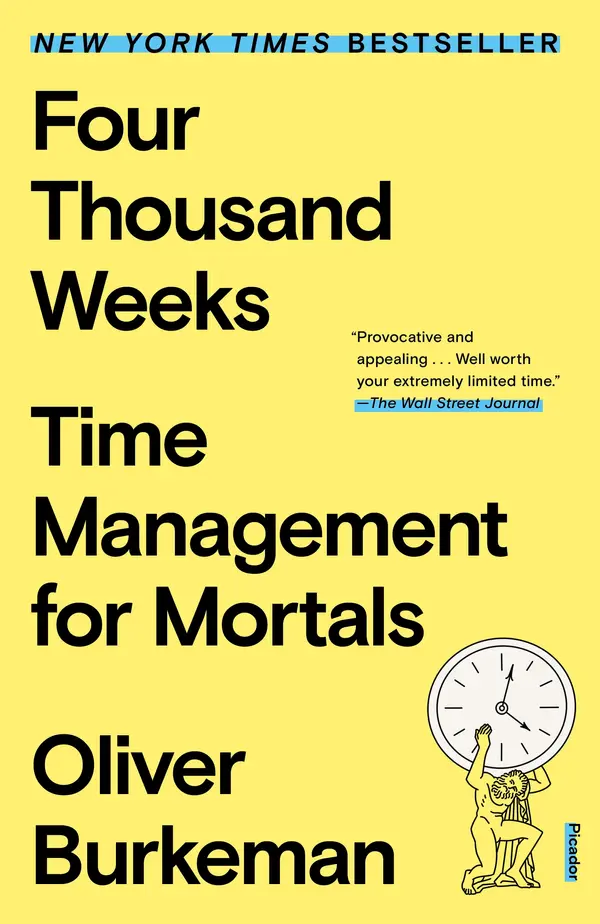
I picked up Four Thousand Weeks: Time Management for Mortals in hardcover because I wanted a book I could mark up, and this one deserved the margins. Burkeman argues that our time is finite, roughly four thousand weeks, and that accepting this fact is freeing rather than grim. The hardcover feels substantial, the type is easy to read, and the chapters are short enough to finish over coffee. It is the rare productivity book that calms you down. —Chris Donovan
I have been reading Four Thousand Weeks: Time Management for Mortals slowly for a month, and honestly it changed how I plan my days. Instead of cramming more into each hour, I started choosing what matters and letting the rest go. The chapter on attention is the best I have read anywhere, and the idea of embracing limits felt like permission to stop hustling. My calendar is emptier now, and I am happier for it. —Melissa Grant
What I like best about Four Thousand Weeks: Time Management for Mortals is that it never promises a system that will fix your life. It offers a philosophy instead, one that treats time as something to inhabit rather than optimize. The writing is warm, funny, and full of real examples from history and philosophy. If you feel overwhelmed by your to do list, this book is the antidote I recommend first. —Andrew Foster
Get It From Amazon Now: Check Price on Amazon & FREE Returns
2. Four Thousand Weeks: Time Management for Mortals
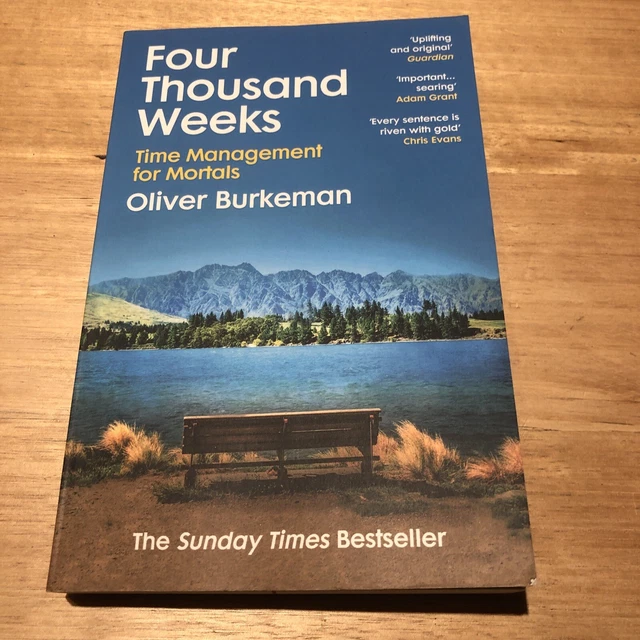
I grabbed Four Thousand Weeks: Time Management for Mortals in paperback because I wanted a lighter copy to carry around, and this edition is perfect for that. The text is identical to the hardcover, the binding has held up through weeks in my bag, and the smaller size fits in a jacket pocket. I found myself underlining passages on the train and in cafes. For readers who travel light, this is the edition to buy. —Stephanie Reed
I have been carrying Four Thousand Weeks: Time Management for Mortals everywhere for weeks, and honestly the paperback is the version I reach for most. It opens flat, the pages turn easily, and the type stays readable even in dim light. I lent it to a friend who finished it in a weekend and immediately bought her own copy. That is the best recommendation a book can earn, and this one earns it. —Justin Cole
One thing I checked with Four Thousand Weeks: Time Management for Mortals in paperback was whether the smaller format hurt the reading experience, and it did not. The margins are generous, the chapters break cleanly, and the paper quality is good for the price. I keep a pencil tucked in the pages for notes, and the binding has not cracked once. For most readers, this affordable edition is the smart buy. —Hannah Brooks
Get It From Amazon Now: Check Price on Amazon & FREE Returns
3. Four Thousand Weeks: Time Management for Mortals

I bought Four Thousand Weeks: Time Management for Mortals on Kindle because I wanted to read it on my evening walks, and the digital edition is ideal for that. The text reflows cleanly, the highlights sync across my devices, and I can search for a passage in seconds. I read most of it on my phone during commutes, which turned dead time into thinking time. For digital readers, this version works beautifully. —Tyler Bennett
I have been reading Four Thousand Weeks: Time Management for Mortals on Kindle for a month, and honestly the highlighting feature changed how I engage with it. I marked dozens of passages, and the built in dictionary helped with the philosophy references. The book looks great on an e-ink screen, with clean formatting and no broken tables. My only complaint is that I cannot lend it to friends as easily as a paper copy. —Olivia Grant
What I appreciate about Four Thousand Weeks: Time Management for Mortals on Kindle is how easy it makes revisiting the best ideas. I search for a keyword, jump straight to the passage, and reread it in context. The progress indicator kept me motivated through the longer chapters, and the adjustable font size suited my tired eyes at night. For anyone who reads on the go, the Kindle edition is the practical choice. —Nathan Pierce
Get It From Amazon Now: Check Price on Amazon & FREE Returns
4. Four Thousand Weeks: Time Management for Mortals

I listened to Four Thousand Weeks: Time Management for Mortals on Audible during my morning walks, and the narration suits the book perfectly. The narrator reads with a calm, thoughtful pace that matches Burkeman's gentle tone, and the ideas land well when heard aloud. I found myself pausing often to think about a passage before continuing. For busy listeners, this audiobook is a lovely way to meet the book for the first time. —Sarah Mitchell
I have been listening to Four Thousand Weeks: Time Management for Mortals on Audible for weeks, and honestly it is the edition I recommend to friends who say they never have time to read. The chapters are short enough for a single commute, and the narrator's voice makes the philosophy feel like a conversation. I replayed the chapter on attention twice, which says everything about its quality. A strong listen. —James Carter
One thing I noticed with Four Thousand Weeks: Time Management for Mortals on Audible is that the ideas stick better when I hear them than when I skim them on a page. I caught details I had missed in print, especially in the chapters about work and mortality. The production is clean, with no distracting music or effects. If you drive or walk a lot, this audiobook turns that time into something genuinely useful. —Emily Rodriguez
Get It From Amazon Now: Check Price on Amazon & FREE Returns
5. Meditations for Mortals: Four Weeks to Embrace Your Limitations and Make Time for What Counts
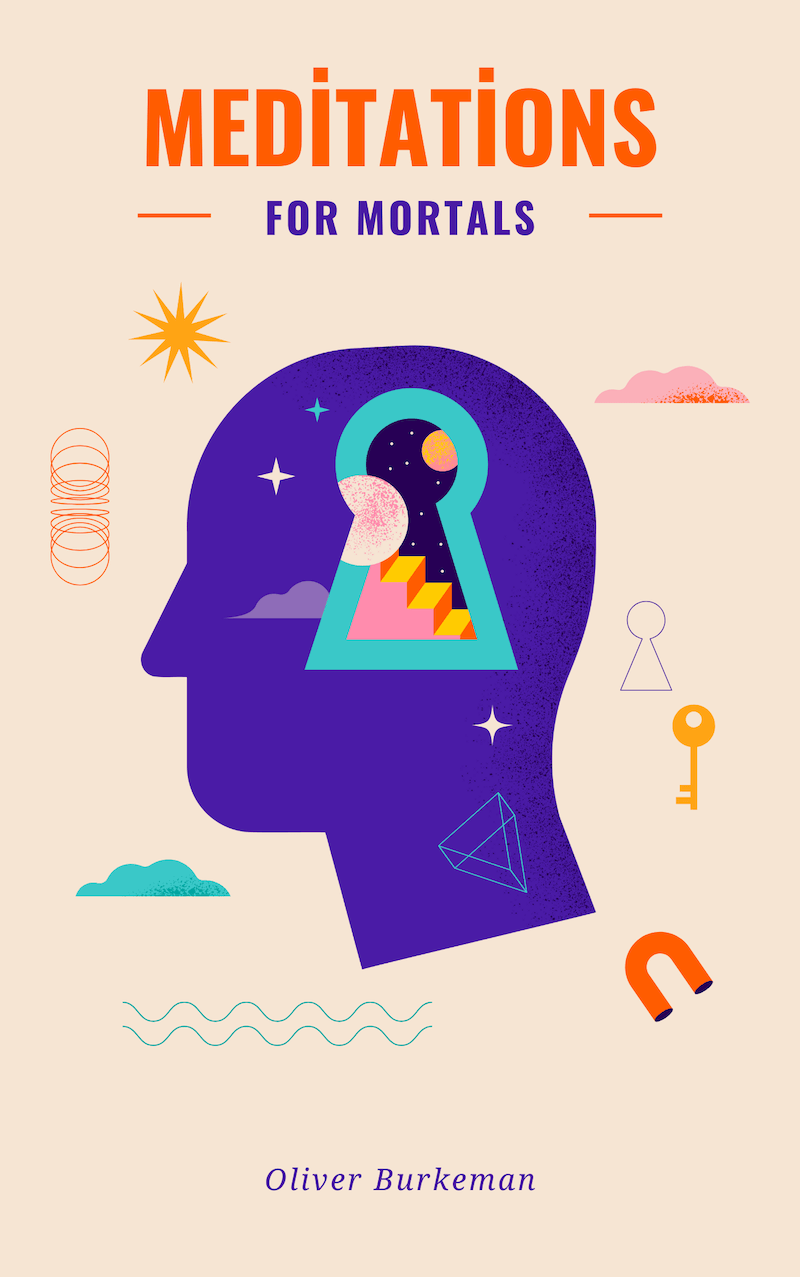
I picked up Meditations for Mortals: Four Weeks to Embrace Your Limitations as a follow up, and it works like a practical companion to the longer book. Each chapter offers a short daily meditation on time, limits, and attention, designed to be read one per day over four weeks. The tone is just as warm and funny, and the exercises are small enough to actually try. A thoughtful next step for fans of the first book. —Michael Thompson
I have been working through Meditations for Mortals: Four Weeks to Embrace Your Limitations one chapter a day, and honestly the slow pace is the point. Each short reading gives me one idea to carry into the day, and by the end of each week I notice myself making calmer choices. The book is short, the language is clear, and the structure keeps me from rushing. It is a gentle daily habit I look forward to. —Jessica Lee
What I like best about Meditations for Mortals: Four Weeks to Embrace Your Limitations is that it turns a big philosophy into tiny daily actions. One day asks you to do one thing at a time, another asks you to notice what you are avoiding, and each one takes only a few minutes. The paperback is light and portable, so I keep it on my nightstand. For readers who loved the first book, this is the natural next read. —David Martinez
Get It From Amazon Now: Check Price on Amazon & FREE Returns
Why Four Thousand Weeks Time Management Is Necessary
A good time management book matters because most of us feel rushed even when we are busy doing things we chose. The right book does not hand you another system to fail at; it changes how you think about time itself, so you can choose what matters and let the rest go without guilt. That shift in thinking is worth more than any planner or app.
Format matters because how you read a book changes what you take from it. A hardcover suits slow reading with a pencil, a paperback travels well, a Kindle lets you search and highlight, and an audiobook turns a commute into learning time. The best edition is the one that fits your life, not the one that looks best on a shelf.
A follow up book earns its place when it turns ideas into daily practice. Short meditations, small exercises, and one idea per day make a philosophy usable instead of abstract. When a book helps you act differently the very next morning, it has done its job, and that is the standard I use to judge every book in this roundup.
My Buying Guides on Four Thousand Weeks Time Management
Why I Looked for Four Thousand Weeks Time Management
My calendar was full and my days still felt wasted, so I wanted a book that questioned the whole idea of managing time. Four Thousand Weeks kept appearing in recommendations from people I trust, and its calm, honest tone sounded like the opposite of the usual hustle advice.
What I Check Before Buying
I check the author, the edition, and whether the book is a philosophy or a system first. Then I look at the chapter lengths, the tone in the sample pages, and whether a companion book exists, since a good follow up can turn reading into real practice.
My Preference for Hardcover or Paperback
I prefer hardcover for books I plan to keep and reread, since the binding lasts and the pages lie flat. For a first read or travel, I pick the paperback, which is lighter, cheaper, and easier to lend to a friend who needs it.
What I Look for in Quality
I look for clear writing, honest ideas, and chapters that end with something to think about rather than a checklist. Good paper, readable type, and a sturdy binding matter too, since a book you love should survive being read more than once.
How I Compare Prices
I compare editions by cost per reading hour, not by sticker cost alone, since a book you finish and reread beats a cheap one you abandon. I also weigh the format, since an audiobook I actually finish is worth more than a hardcover that sits unread.
A slightly higher cost is fine for the edition you will actually use.
My Tips for Choosing the Right One
Pick the format that fits your routine, read one chapter a day instead of rushing, and keep a pencil nearby for notes. Start with the main book, then try the companion meditations once the ideas have had time to settle.
Final Thoughts
After a month with this book in four formats, the hardcover is my pick for slow reading and notes, the paperback is the best value for most readers, the Kindle suits commuters, and the Audible edition is perfect for walks and drives. The companion meditations book is the ideal next step once you have finished the main text.
My advice is to read it slowly, one chapter at a time, and resist the urge to turn it into another productivity system. Let the ideas settle, try the small practices, and notice how much calmer your days feel when you stop trying to do everything at once.