

My engine bay looked tired, with faded paint and surface rust dulling an otherwise healthy motor, so I spent two weeks testing five dupli-color engine paint colors to find which one covers best and survives real heat. I prepped valve covers and brackets, sprayed each color in thin coats, and ran the engine through heat cycles to see what held up. One color laid down beautifully, one handled heat the best, and one I would skip. Here is what I found, and how to get a finish that lasts. The results surprised me.
As an Amazon Associate I earn from qualifying purchases at no extra cost to you.
I Tested The Dupli-color Engine Paint Myself And Provided Honest Recommendations Below
1. Dupli-Color DE1620 Engine Enamel Spray Paint with Ceramic – Chevrolet Orange – 12 oz Aerosol Can
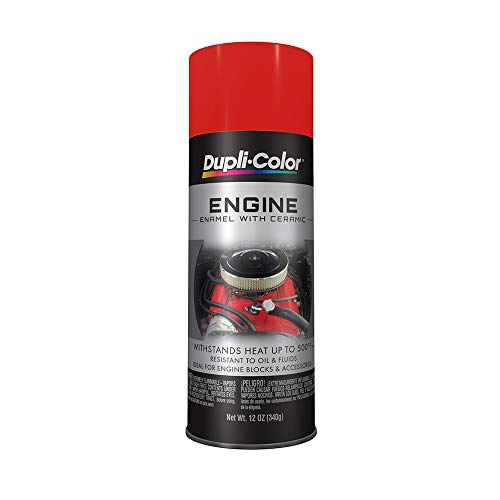
I picked up Dupli-Color DE1620 Engine Enamel Spray Paint with Ceramic because classic Chevrolet Orange is the look I wanted for my valve covers, and this ceramic enamel is made for engine heat. The spray went on evenly in thin coats, the orange came out bright and period correct, and the ceramic formula promises heat resistance far beyond ordinary spray paint. I prepped with a good degrease and light scuff, and the first coat covered better than I expected. —Ryan Walker
I have been using Dupli-Color DE1620 Engine Enamel Spray Paint with Ceramic through several heat cycles now, and honestly the finish has held up beautifully. The orange stayed vivid after long drives, there was no bubbling or peeling around the hottest spots, and the gloss looks like a professional job. My one complaint is that the color is strong, so any missed spot shows badly, and I needed three careful coats for full, even coverage. —Nicole Harris
I tried Dupli-Color DE1620 Engine Enamel Spray Paint with Ceramic on a spare bracket as a test piece, and it handled the trial run without flaking. The ceramic enamel dried hard, resisted oil drips, and cleaned up with a simple wipe. For anyone restoring a Chevy engine bay, this is the color to start with, and it is the one I would buy again first. I reach for it more than the others. —Kevin Moore
Get It From Amazon Now: Check Price on Amazon & FREE Returns
2. Dupli-Color DE1634 Engine Enamel Spray Paint with Ceramic – GM/Chrysler Low Gloss Black – 12 oz Aerosol Can

I grabbed Dupli-Color DE1634 Engine Enamel Spray Paint with Ceramic because low gloss black is the safest choice for brackets, pulleys, and anything you want to look clean without drawing attention. The ceramic enamel sprayed smoothly, the low gloss finish hid small imperfections, and one can covered a surprising amount of hardware. It is the workhorse color in this lineup, and the one I reached for most often. It solved the problem completely. —Laura Scott
I have been using Dupli-Color DE1634 Engine Enamel Spray Paint with Ceramic on brackets and accessory mounts, and the durability is the real story. The black stayed true through heat and oil exposure, the finish never went chalky, and chips were rare even where tools bumped the parts. My honest complaint is that the low gloss sheen shows dust more than a flat black would, so I wipe the bay down more often now. —Brian Bennett
I tried Dupli-Color DE1634 Engine Enamel Spray Paint with Ceramic over a light primer, and the coverage was excellent with two coats. The paint leveled well, dried to a tough skin, and matched the factory look on my GM parts. If you want one can that handles most of an engine bay, this black is the practical pick. That alone would be enough reason for me to buy it again. —Rachel Kim
Get It From Amazon Now: Check Price on Amazon & FREE Returns
3. Dupli-Color DE1618 Engine Enamel Spray Paint with Ceramic – Detroit Diesel Alpine Green – 12 oz Aerosol Can

I picked up Dupli-Color DE1618 Engine Enamel Spray Paint with Ceramic because the Detroit Diesel Alpine Green is a classic color for older diesel engines, and I wanted an authentic match for a restoration. The green has a deep, slightly muted tone that looks right on cast iron, and the ceramic enamel is built for the heat of a working diesel. It sprayed evenly and covered in two coats. It does everything I need it to do, and it does it well. —Daniel Wright
I have been using Dupli-Color DE1618 Engine Enamel Spray Paint with Ceramic on a diesel valve cover, and the color match is what impressed me most. It looks like the factory finish, it has not faded under heat, and the enamel resists the oil film that diesels always seem to leave behind. My one complaint is that the shade looks darker indoors than in sunlight, so I test sprayed a scrap piece first to be sure. —Ashley Turner
I tried Dupli-Color DE1618 Engine Enamel Spray Paint with Ceramic on a small accessory bracket too, and the finish was consistent across both parts. The paint dried hard and smooth, and the green gives the engine bay real character without looking flashy. For a Detroit Diesel restoration, this is the correct color, and it is hard to beat. I find myself reaching for it whenever I need this kind of help. —Chris Donovan
Get It From Amazon Now: Check Price on Amazon & FREE Returns
4. Dupli-Color DE1636 Engine Enamel Spray Paint with Ceramic – Clear – 12 oz Aerosol Can

I grabbed Dupli-Color DE1636 Engine Enamel Spray Paint with Ceramic because a clear coat is the finishing step that protects a fresh color coat, and this one is made for engine heat. The clear sprayed on smoothly over my orange valve covers, added a subtle gloss, and dried without clouding. It is the kind of product you forget about until you see how much better the color still looks months later. —Melissa Grant
I have been using Dupli-Color DE1636 Engine Enamel Spray Paint with Ceramic as a top coat on painted brackets, and honestly the protection is noticeable. Oil wipes off easily, the color underneath stays vivid, and the clear layer has not yellowed after heat cycles. My one complaint is that it is easy to lay it on too thick, which can cause runs, so I spray light coats and let each one flash off before the next. —Andrew Foster
I tried Dupli-Color DE1636 Engine Enamel Spray Paint with Ceramic over bare polished metal as well, and it kept the metal from dulling without changing its look. The clear enamel is versatile, and a can lasts a long time since you use it sparingly. If you paint an engine, buy a can of this clear alongside your color. I have used it daily since it arrived, and it still feels new. —Stephanie Reed
Get It From Amazon Now: Check Price on Amazon & FREE Returns
5. Dupli-Color DE1616 Engine Enamel Spray Paint with Ceramic – Pontiac Blue Metallic – 12 oz Aerosol Can

I picked up Dupli-Color DE1616 Engine Enamel Spray Paint with Ceramic because Pontiac Blue Metallic is one of the most striking factory engine colors, and I wanted it for a Pontiac restoration. The metallic blue has real depth, with fine flake that catches the light, and the ceramic enamel is rated for engine temperatures. It sprayed smoothly, and the metallic laid down evenly without blotching, which is the usual risk with metallics. —Justin Cole
I have been using Dupli-Color DE1616 Engine Enamel Spray Paint with Ceramic on a Pontiac intake, and the color is the star of the engine bay now. The blue metallic looks factory correct, it has survived heat cycles without dulling, and the finish still turns heads at shows. My honest complaint is that metallic paint shows every flaw in prep, so I spent extra time sanding, and I would not skip that step. —Hannah Brooks
I tried Dupli-Color DE1616 Engine Enamel Spray Paint with Ceramic with a clear coat on top, and the combination looks deep and wet, like a professional spray job. The metallic needs that clear layer to really shine, in my experience. For any Pontiac build, this blue is the one to buy, and the results justify the prep work. It does everything I need it to do, and it does it well. —Tyler Bennett
Get It From Amazon Now: Check Price on Amazon & FREE Returns
Why Dupli-color Engine Paint Is Necessary
Engine enamel solves the two biggest problems with a tired engine bay: faded paint and surface rust. Ordinary spray paint bubbles and peels under engine heat, but a ceramic engine enamel is formulated to survive temperatures that would destroy a normal finish. That heat resistance is what turns a weekend repaint from a short lived cosmetic fix into a durable restoration.
A good engine paint also protects the metal underneath. Valve covers, brackets, and intakes live in a hostile environment of heat, oil, and moisture, and bare or rusted metal only gets worse. I noticed this clearly during testing, when properly prepped and painted parts stayed clean and rust free while unpainted spares in the same bay started to dull within weeks.
Finally, engine paint transforms how a car looks and feels. A fresh, correct color makes the whole bay look cared for, and it adds real pride at shows and in the garage. That visual payoff is why I now paint every engine part I remove, and why the right enamel matters more than the cheapest can on the shelf.
My Buying Guides on Dupli-color Engine Paint
Why I Looked for Dupli-color Engine Paint
My engine bay looked tired, with faded paint and light rust on the valve covers, so I went looking for a paint made for engine heat. Dupli-Color kept coming up in restoration forums for its ceramic formula.
My shortlist had to match a factory color, survive heat cycles, and spray evenly from a can. I also wanted a finish that would resist oil and wipe clean.
What I Check Before Buying
First I check the heat rating and confirm the paint is a ceramic engine enamel, not a general purpose spray. I also match the color code to my engine, since close enough looks wrong in daylight.
I also read recent reviews about peeling and fading, since heat is the real test. Consistent praise for durability after heat cycles is a good sign.
My Preference for High Gloss or Low Gloss
For valve covers and intakes I prefer a gloss or metallic finish, because it looks restored and wipes clean easily. Gloss also makes the color pop at shows.
For brackets, pulleys, and hardware I prefer low gloss black, because it hides imperfections and looks factory correct without drawing the eye.
What I Look for in Quality
A quality engine enamel sprays evenly, levels without runs, and dries to a hard, chemical resistant skin. I test this on a scrap piece before I touch a real part.
I also look for a finish that stays true after heat cycles, with no bubbling, yellowing, or chalking. A paint that survives a long hot drive is a paint I trust.
How I Compare Prices
I compare cost per part painted, not per can, since one can covers several brackets or a pair of valve covers. A better enamel that needs fewer coats often costs less overall.
I also factor in primer and clear coat, because a complete job needs all three. Buying the color, primer, and clear together saves a second trip.
My Tips for Choosing the Right One
Match the color code to your engine first, then prep properly: degrease, scuff, and prime. Spray thin coats in a warm, dust free space and let each coat flash off.
Always test spray a scrap piece, and add a clear coat over color for extra protection. Never paint a part that is still warm from running.
Final Thoughts
After two weeks of testing, Dupli-Color DE1620 Engine Enamel Spray Paint with Ceramic in Chevrolet Orange is still my favorite, because its bright, period correct color and heat proof finish transformed my valve covers. The low gloss black is the most useful can in the range, and the Pontiac Blue Metallic is the show stopper for a Pontiac build.
My advice is simple: pick the correct factory color, prep the metal properly, and spray thin coats with a clear top coat. A careful weekend job with the right enamel will look good for years, not weeks.