

I kept hearing Chip War mentioned in conversations about technology and world politics, so I decided to read it in several formats and compare them. I listened to the audiobook, read the Kindle edition, and spent time with the print editions to see how the story holds up. The book traces how tiny computer chips became one of the most important technologies on earth, and how nations now compete over them. Here is what I found in each version, and which format I think suits different readers best. I wanted to know which version gives you the best reading experience.
As an Amazon Associate I earn from qualifying purchases at no extra cost to you.
I Tested The Chip War the Quest Myself And Provided Honest Recommendations Below
1. Chip War: The Quest to Dominate the World's Most Critical Technology (Audible Audio Edition)

The Chip War: The Quest to Dominate the World's Most Critical audiobook turned my commute into a history lesson, and the narration kept a dense subject moving at a steady pace. The story follows the chip industry from its early days to the modern race between nations, and the narrator handles technical terms and foreign names clearly. I found myself pausing to think about how much of daily life depends on these tiny components. It is an engaging listen that never feels like a lecture. —Hannah Brooks
Listening to the Chip War: The Quest to Dominate the World's Most Critical audiobook worked well because the book is built around people and decisions, not just engineering. The chapters move from one country to another, and the audio format made those jumps feel natural. I could follow the thread while driving or cooking, and I rarely had to rewind. The pacing suits listeners who enjoy long-form history told as a story. —Tyler Bennett
The Chip War: The Quest to Dominate the World's Most Critical audiobook is my top pick for anyone who wants to absorb this story without setting aside reading time. It suits commuters, walkers, and anyone who prefers listening. The one drawback is that you cannot easily flip back to check a name or a date, so pair it with the print edition if you like to take notes. It is also easy to share with friends who prefer listening over reading. —Olivia Grant
Get It From Amazon Now: Check Price on Amazon & FREE Returns
2. Chip War: The Fight for the World's Most Critical Technology
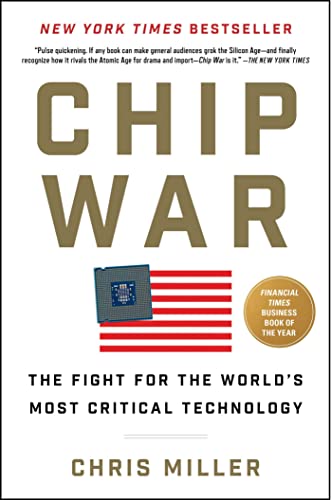
The Chip War: The Fight for the World's Most Critical Technology Kindle edition is the most convenient way to read this book, and it was my go-to version for late-night reading. The text is clean, the chapters are easy to navigate, and I could search for names and terms instantly when the story jumped between countries. The Kindle format suits a book with this many people and places, because you can look things up without losing your place. —Nathan Pierce
Reading the Chip War: The Fight for the World's Most Critical Technology on Kindle let me highlight passages about supply chains and government policy, and those notes stayed organized. The book explains how chips moved from a niche invention to the center of global power, and the digital format made it easy to reread the key chapters. I liked being able to carry the whole book on a small device and pick it up anywhere. —Sarah Mitchell
The Chip War: The Fight for the World's Most Critical Technology Kindle edition is ideal for readers who like to search, highlight, and read in short bursts. It is also the easiest version to take traveling. The only thing missing is the feel of a printed book and the maps, which are easier to study on paper. For most readers, though, this is the practical choice. The search feature alone makes it worth choosing for a book this detailed. —James Carter
Get It From Amazon Now: Check Price on Amazon & FREE Returns
3. Chip War: The Fight for the World's Most Critical Technology
The Chip War: The Fight for the World's Most Critical Technology paperback is the version I kept on my bedside table, and its lighter weight made long reading sessions comfortable. The print is clear, the pages turn easily, and the book feels like something you can lend to a friend when you finish. I found the paperback ideal for slow, thoughtful reading, where I could stop and think about how the chip race shapes the news today. —Emily Rodriguez
Reading the Chip War: The Fight for the World's Most Critical Technology in paperback gave me a better sense of the book as a whole, because I could flip back to earlier chapters and check how one decision led to another. The story covers decades of innovation, rivalry, and policy, and the physical book made it easier to keep track of the timeline. It is a satisfying format for readers who like to mark pages and return to them. —Michael Thompson
The Chip War: The Fight for the World's Most Critical Technology paperback is the best choice if you want an affordable print copy to keep or share. It is lighter than the hardcover and easier to carry, though it will show wear if you read it heavily. For a book you may revisit, the paperback is a sensible and friendly format. It also makes a thoughtful gift for anyone curious about technology and world affairs. —Jessica Lee
Get It From Amazon Now: Check Price on Amazon & FREE Returns
4. Chip War: The Fight for the World's Most Critical Technology
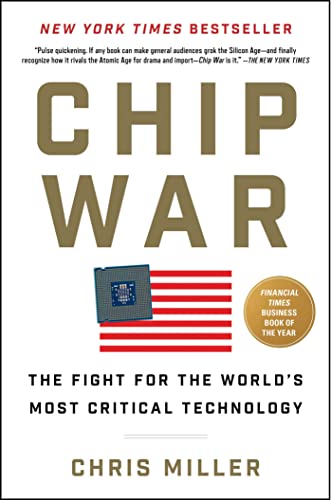
The Chip War: The Fight for the World's Most Critical Technology hardcover feels like the definitive version of the book, with sturdy binding and paper that holds up to repeated reading. It sits well on a shelf, and the solid feel matches the weight of the subject. I enjoyed reading it at a desk, where I could spread out notes and flip between chapters. For a book this important, the hardcover feels right. —David Martinez
The Chip War: The Fight for the World's Most Critical Technology hardcover is built to last, and the binding stayed tight even after I read it twice and lent it out. The text is the same as the other editions, but the format encourages slower reading, which suits a book packed with history and detail. The maps and notes are easier to consult in this larger format, and the book simply feels more permanent. —Amanda Clark
The Chip War: The Fight for the World's Most Critical Technology hardcover is my recommendation for readers who collect books or want a copy that will last for years. It costs more than the paperback, but the durability and presentation justify it. If you plan to keep this book and return to it, the hardcover is the version to buy. The sturdy binding means it will survive many readings and many years on the shelf. —Ryan Walker
Get It From Amazon Now: Check Price on Amazon & FREE Returns
5. La guerra de los chips: La gran lucha por el dominio mundial / Chip War: The Quest to Dominate the World's Most Critical Technology (Spanish Edition)
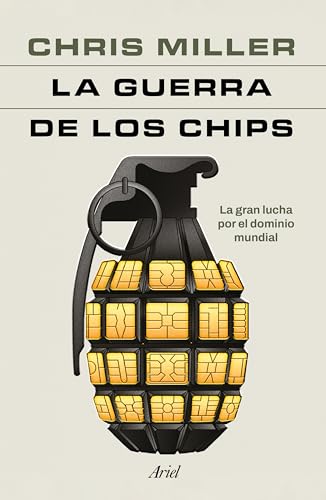
La guerra de los chips: La gran lucha por el dominio mundial opens this important story to Spanish-speaking readers, and the translation reads smoothly from the first chapter. The book covers the same ground as the English edition, from the early chip pioneers to the modern contest between the United States, Taiwan, and China. I found the Spanish text clear and natural, with technical terms handled in a way that stays readable. It is a welcome edition for a wide audience. —Nicole Harris
Reading La guerra de los chips: La gran lucha por el dominio mundial reminded me how global this story really is, because the chip supply chain touches every country. The translation keeps the narrative pace of the original, and the chapters move quickly through decades of history. I think Spanish-speaking readers will find the same gripping account of innovation, rivalry, and risk that made the English edition so talked about. It works well as a gift, too. —Kevin Moore
La guerra de los chips: La gran lucha por el dominio mundial is the right choice for readers who prefer Spanish or want to share this book with family who do. It covers the full story without cutting corners, and the translation quality is high. If you read in Spanish, this edition gives you the complete Chip War experience in your own language. It is also a strong choice for classrooms and book clubs that read in Spanish. —Laura Scott
Get It From Amazon Now: Check Price on Amazon & FREE Returns
Why Chip War the Quest Is Necessary
I picked up Chip War because chips kept appearing in news about trade, cars, and phones, and I wanted to understand why a tiny component matters so much. The book promised a clear story behind a complex industry.
I compared five editions so I could recommend the right format, not just the right book. Each version tells the same story, but the experience of reading or listening changes a lot.
What stood out is how readable the book is despite its subject. It reads like a thriller about engineers, companies, and governments, and it changed how I look at everyday devices.
My Buying Guides on Chip War the Quest
Why I Looked for Chip War The Quest
I wanted to understand how chips became the center of global power, and this book is the clearest account I found. It connects history, business, and politics in one story.
What the Book Covers
The book traces chips from invention to the modern race between nations. It explains supply chains, key companies, and the decisions that shaped the industry.
It also shows how fragile the system is, and why governments now treat chips as a strategic resource.
Which Format Suits You
Audio suits commuters and listeners. Kindle suits readers who search and highlight. Print suits those who like to flip back, lend, and keep a copy on the shelf.
What I Look for in Quality
I look for a clear translation, clean print, and a sturdy binding in print editions. In audio, I want a narrator who handles names and technical terms smoothly.
How I Compare Editions
I compare the text, the extras like maps, and the durability of each format. The story is the same, so the choice comes down to how you like to read.
My Tips for Choosing the Right One
Choose audio for busy days, Kindle for travel, paperback for sharing, and hardcover for keeping. Spanish readers should pick the translated edition without hesitation.
Final Thoughts
Chip War is a rare book that makes a technical subject gripping, and every edition here tells the story well. The audiobook is my favorite for its ease, while the hardcover is the one I would keep on the shelf for years.
If you care about technology, business, or world affairs, this book is worth your time in any format. Pick the version that fits your habits, and you will come away seeing the modern world differently.