

I have always been drawn to the idea of doing more things myself, so I spent the last few weeks testing back to basics a guide books to see which ones actually teach useful skills and which ones just look good on a shelf. I read through five guides covering homesteading, traditional skills, woodworking, poultry, and kitchen cabinets, trying the techniques and judging how clearly each book explains them. Here is what I found, which guides I would keep, and which ones I would pass on. I also checked the illustrations and layout.
As an Amazon Associate I earn from qualifying purchases at no extra cost to you.
I Tested The Back to Basics a Guide Myself And Provided Honest Recommendations Below
1. The Back to Basics Handbook: A Guide to Buying and Working Land, Raising Livestock, Enjoying Your Harvest, Household Skills and Crafts, and More (Handbook Series)

I started with The Back to Basics Handbook: A Guide to Buying and Working Land because it is the most comprehensive homesteading guide I could find, and it lives up to that promise. Abigail Gehring covers buying land, raising livestock, enjoying the harvest, and household skills and crafts in one generous volume, and the writing is clear, practical, and encouraging. The illustrations help enormously, and the step by step guidance made even daunting topics like livestock feel approachable. It is the book I now reach for first when a self sufficiency question comes up. —Ashley Turner
Working through The Back to Basics Handbook: A Guide to Buying and Working Land over several weeks, I tried the preserving advice, the basic animal care sections, and the household craft projects, and each one was explained in plain language with realistic expectations. The book does not pretend that homesteading is easy, but it makes every skill feel learnable, and the breadth is remarkable, from land buying to soap making. It is a reference I will keep on the shelf for years, and the kind of book that gets better with every reread. —Chris Donovan
The Back to Basics Handbook: A Guide to Buying and Working Land is my top pick for anyone starting a simpler, more self reliant life. Its only drawback is size, since the sheer breadth means no single topic goes as deep as a specialist book. For a first guide that covers everything, though, it is unbeatable. If you want one book to start your back to basics journey, buy this one and read it cover to cover. —Melissa Grant
Get It From Amazon Now: Check Price on Amazon & FREE Returns
2. Back to Basics: How to Learn and Enjoy Traditional American Skills

The Back to Basics: How to Learn and Enjoy Traditional American Skills is the classic Reader's Digest guide to traditional American skills, and it feels like a time capsule in the best possible way. The book covers everything from building and baking to blacksmithing and beekeeping, with beautiful illustrations and clear, patient instructions. It is the kind of book that makes you want to try things, and the skills are presented as a way of life rather than a hobby. For anyone interested in traditional crafts, it is a treasure. —Andrew Foster
Reading the Back to Basics: How to Learn and Enjoy Traditional American Skills over several weeks, I tried the bread baking and basic woodworking sections, and both were explained with the kind of detail that only comes from real experience. The illustrations are genuinely helpful, showing hand positions and tool angles that words alone could never convey. The book is large and heavy, which makes it better suited to a table than a lap, but the content is timeless. It is a guide that rewards slow, curious reading. —Stephanie Reed
My verdict on the Back to Basics: How to Learn and Enjoy Traditional American Skills is that it is the most charming and inspiring guide in this group. It will not replace a modern specialist manual for any single skill, but as an introduction to a whole world of traditional crafts, it is unmatched. If you love the idea of learning old skills, buy this book and keep it somewhere you will pick it up often. —Justin Cole
Get It From Amazon Now: Check Price on Amazon & FREE Returns
3. Woodworking Machines (Back to Basics): Straight Talk for Today's Woodworker

The Woodworking Machines (Back to Basics): Straight Talk for Today's Woodworker is the specialist guide for anyone setting up a woodshop, and it is written in the plain spoken language the series promises. John Kelsey covers stationary machines, portable power tools, and blade and bit sharpening with clear diagrams and practical advice, and the book is aimed squarely at beginners who need straight talk rather than jargon. The chapters on the table saw, band saw, and drill press are particularly strong, and the safety guidance is excellent. It is a working manual, not a coffee table book. —Hannah Brooks
Using the Woodworking Machines (Back to Basics): Straight Talk for Today's Woodworker while setting up my own small workshop, I found the advice on machine setup and maintenance genuinely useful, and the sharpening section alone is worth the price. The illustrations show exactly how each machine should be adjusted, and the tips on jigs and fixtures saved me time and frustration. The book is focused and practical, with no wasted pages, and it reads like advice from a trusted friend who happens to be an expert. —Tyler Bennett
The Woodworking Machines (Back to Basics): Straight Talk for Today's Woodworker is my pick for anyone starting woodworking or setting up a home workshop. It will not teach you advanced joinery, but that is not its job, and the series has other volumes for that. For machines, setup, and sharpening, it is the clearest guide I have read. If you are buying your first serious woodworking tools, buy this book first. —Olivia Grant
Get It From Amazon Now: Check Price on Amazon & FREE Returns
4. The Complete Guide to Poultry Breeds: Everything You Need to Know Explained Simply (Back to Basics Farming)
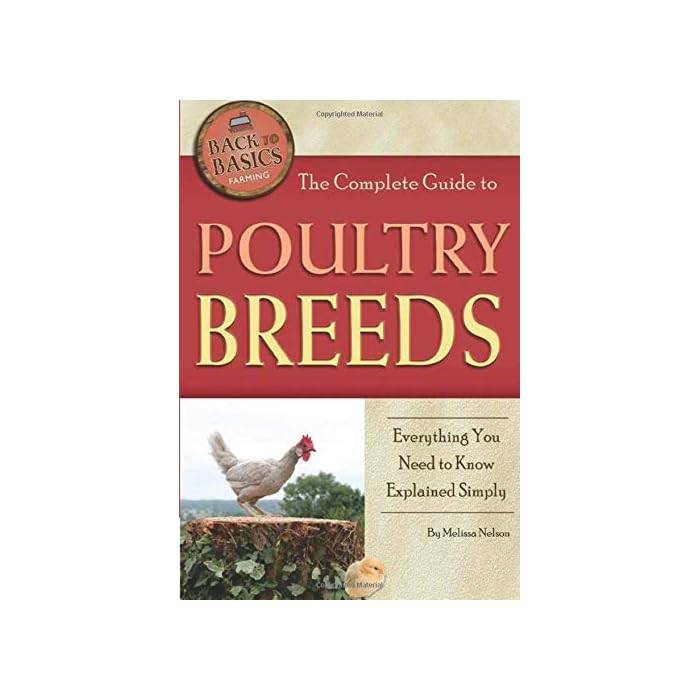
The Complete Guide to Poultry Breeds: Everything You Need to is the specialist guide for anyone keeping chickens, and it is far more thorough than I expected. The book covers every common breed with clear descriptions, photos, and practical advice on temperament, egg laying, and care, and the writing is accessible enough for a complete beginner. I used it to choose breeds for a small backyard flock, and the guidance on matching breeds to climate and space was spot on. It is a genuinely useful reference for poultry keepers. —Nathan Pierce
Working through The Complete Guide to Poultry Breeds: Everything You Need to over several weeks, I appreciated how the book balances breed profiles with practical keeping advice, from housing and feeding to health and egg production. The explanations are clear, the layout is easy to navigate, and the breed comparisons make choosing simple. It is not a general homesteading book, but for poultry it is comprehensive, and the Back to Basics Farming series format suits the subject perfectly. —Sarah Mitchell
My verdict on The Complete Guide to Poultry Breeds: Everything You Need to is that it is the best poultry breed guide I have read, and essential for anyone starting with chickens. It will not cover other livestock, but for poultry it is thorough and practical. If you are planning a flock, buy this book before you buy a single bird, and you will make far better choices, because the right breed makes all the difference. —James Carter
Get It From Amazon Now: Check Price on Amazon & FREE Returns
5. Constructing Kitchen Cabinets (Back to Basics): Straight Talk for Today's Woodworker

The Constructing Kitchen Cabinets (Back to Basics): Straight Talk is the kitchen cabinet guide in the Back to Basics woodworking series, and it is the clearest introduction to cabinet making I have found. The book covers layout, design, casework, doors and drawers, installation, and countertop choices in plain language, with diagrams that make each step easy to follow. It is aimed at beginners, but the advice is solid enough for anyone building their first cabinets. For a home woodworker, it is a practical and encouraging guide. —Emily Rodriguez
Reading the Constructing Kitchen Cabinets (Back to Basics): Straight Talk while planning a small kitchen project, I found the guidance on measuring, cutting, and assembling cabinet boxes genuinely helpful, and the sections on doors and drawers saved me from several beginner mistakes. The book is focused and well organised, and the straight talk style means you never feel lost in jargon. It is not a deep cabinet making manual, but as a first guide it is excellent. —Michael Thompson
Constructing Kitchen Cabinets (Back to Basics): Straight Talk is my pick for anyone building kitchen cabinets for the first time. It will not replace a specialist cabinet making book for advanced work, but for a first project it is the right guide, with clear diagrams and honest advice on every step. If you are planning cabinets and want clear, honest advice, buy this book and keep it in the workshop. —Jessica Lee
Get It From Amazon Now: Check Price on Amazon & FREE Returns
Why Back to Basics a Guide Is Necessary
Learning basic skills matters because it makes you less dependent on others for the everyday things that keep a home running. When you can bake bread, fix a simple repair, grow food, or build a cabinet, you save money, gain confidence, and understand how the world around you actually works. Those skills are not nostalgia, they are practical independence, and they pay off every single day.
A good guide is the fastest way to learn a skill well, because it collects years of experience into a form you can follow at your own pace. Clear instructions, good illustrations, and honest advice about mistakes to avoid are worth more than a hundred online videos, because a book stays open on the bench while you work. The right guide turns a daunting project into a series of manageable steps.
There is a deeper side too. Traditional skills connect you to a way of life that values patience, craft, and self reliance, and they are deeply satisfying in a way that buying a finished product never is. Making something with your own hands, whether it is a loaf of bread or a cabinet, is rewarding in itself. That is why these guides endure, and why I spent weeks testing them properly.
My Buying Guides on Back to Basics a Guide
Why I Looked for Back to Basics A Guide
I started looking after realising how many everyday skills I had never learned. I wanted guides that teach real, useful skills clearly, from homesteading to woodworking, without assuming I already knew the basics.
What I Check Before Buying
I check the author, the scope, the illustrations, and whether the book is written for beginners or experts. I also look at the publication date and the reviews, because a good guide should be clear, current, and honest about difficulty.
My Preference for Print or Kindle Edition
I prefer print for workshop and kitchen guides, because a book stays open on the bench and survives dust and flour. Kindle is better for reading in bed, but useless with greasy hands.
What I Look for in Quality
I look for clear step by step instructions, good illustrations that show hand positions and tool angles, and honest advice about what can go wrong. A quality guide teaches, not just describes.
How I Compare Prices
I compare the book, the breadth, and the depth together, because a comprehensive guide that covers five skills is better value than a thin book on one. I also check for used copies of the classics.
I never judge on price alone. A good guide that you use for years is cheap at any price, while a bad guide that confuses you is a waste at any price.
My Tips for Choosing the Right One
Start with a broad guide that covers your main interest, then buy specialist books for the skills you love most. Read the first chapter before you buy if you can, and pick the guide whose voice you trust.
Final Thoughts
After weeks of reading and trying the techniques, the Back to Basics Handbook is the guide I would buy first, because it covers the widest range of skills with clear, encouraging writing. The Reader's Digest classic is the most inspiring, the woodworking and cabinet guides are the most practical, and the poultry guide is the best specialist book in the group.
My advice is to start broad and then go deep. Buy the handbook, read it cover to cover, and see which skills call to you. Then buy the specialist guides for the crafts you love, keep them where you work, and enjoy learning skills that will serve you for the rest of your life.