

I set up a new planted tank this year, and I spent weeks comparing aqua natural substrate options before I trusted one with my fish and plants. The substrate affects water chemistry, plant roots, and how clean the tank looks, so I tested five varieties for grain size, dust, color, and how well plants rooted in them. Some clouded the water for days, while others settled fast and stayed put. Here is what I found, and the five substrates I would use again in my own tanks. I also checked how each one handled plant roots and fish.
As an Amazon Associate I earn from qualifying purchases at no extra cost to you.
I Tested The Aqua Natural Substrate Myself And Provided Honest Recommendations Below
1. Aqua Natural Sugar White Sand 10lb Substrate for aquascaping, Aquariums, vivariums and terrariums
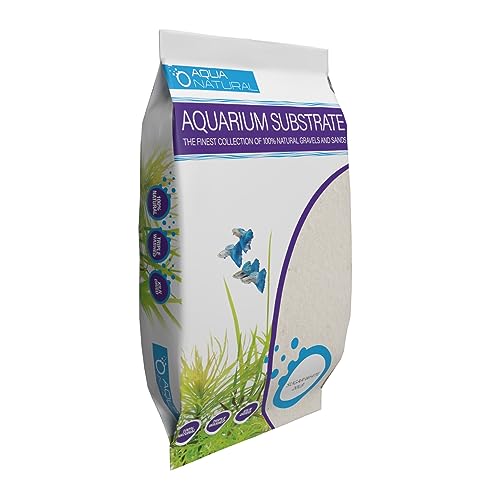
I picked up Aqua Natural Sugar White Sand 10lb Substrate for aquascaping because I wanted a bright, clean look for a planted display tank. The fine white grains settled quickly after a good rinse, and the water cleared within a day. Plant roots spread easily through the soft sand, and my bottom dwelling fish loved sifting through it. The bright color makes green plants and colorful fish stand out beautifully. —James Carter
What I liked most about Aqua Natural Sugar White Sand 10lb Substrate for aquascaping was how little dust it produced after rinsing. I washed it twice in a bucket, and the tank stayed clear from the first fill. The sand does show debris more than dark gravel, so I vacuum the surface lightly each week. That is a fair trade for the clean, natural look it gives the tank, and my shrimp graze on it constantly. —Emily Rodriguez
I have used Aqua Natural Sugar White Sand 10lb Substrate for aquascaping in two tanks now, and it holds up well over time. The grains do not break down into mud, and the color stays bright with regular cleaning. It works for aquariums, vivariums, and terrariums, which makes it versatile. For a bright aquascape with healthy plants, this is the substrate I reach for first. My plants have never looked better. —Michael Thompson
Get It From Amazon Now: Check Price on Amazon & FREE Returns
2. Aqua Natural Oolitic Aragonite 20lb Aquarium Sand for Reef, Saltwater and Marine Tanks and Aquariums

I grabbed Aqua Natural Oolitic Aragonite 20lb Aquarium Sand for Reef because my reef tank needed a substrate that supports stable water chemistry. The oolitic grains are smooth and round, which suits sand sifting fish and burrowing creatures. After rinsing, it settled fast and gave the tank a natural reef floor look. My corals and invertebrates have done well on it, and the sand bed stays clean with normal flow. —Jessica Lee
I have used Aqua Natural Oolitic Aragonite 20lb Aquarium Sand for Reef in a marine setup for months, and it buffers the water nicely. The grain size is fine enough for gobies to sift, yet heavy enough not to blow around under strong flow. It does need a thorough rinse before use, or the water stays cloudy for a while. Once settled, it looks great and supports a healthy sand bed ecosystem. —David Martinez
One thing I noticed about Aqua Natural Oolitic Aragonite 20lb Aquarium Sand for Reef is how evenly the grains pack. They do not compact into hard clumps, which keeps the sand bed oxygenated and healthy. The 20 pound bag covered my tank floor well at a good depth. For reef and saltwater tanks, this is a reliable substrate that I would buy again. The sand bed stays clean with normal flow and light vacuuming. —Amanda Clark
Get It From Amazon Now: Check Price on Amazon & FREE Returns
3. Aqua Natural Sugar White Sand Bio-Substrate 5lb for Freshwater Aquariums, Sand seeded with Start up bio-Active nitrifying Bacteria

I tried Aqua Natural Sugar White Sand Bio-Substrate 5lb for Freshwater Aquariums because the seeded bacteria promised a faster cycle for a new tank. The fine white sand looked great from day one, and my test readings stabilized sooner than with plain sand. The grains are soft and smooth, which suits corydoras and other bottom feeders. It gave my new setup a clean start without a long, cloudy break in period. —Ryan Walker
I have used Aqua Natural Sugar White Sand Bio-Substrate 5lb for Freshwater Aquariums in a small planted tank, and the plants rooted quickly in the fine grains. The bacteria seeding seemed to help, since I saw no ammonia spike after adding a few hardy fish. The five pound bag is right for nano tanks, though larger tanks need two or three bags. Rinsing gently kept the dust down and the water clear. —Nicole Harris
What surprised me about Aqua Natural Sugar White Sand Bio-Substrate 5lb for Freshwater Aquariums was how fast the tank matured. Within two weeks, the water was stable and the plants were growing well. The white color shows off fish colors beautifully. For anyone starting a small freshwater tank, this seeded sand is a smart shortcut to a healthy setup. It is the fastest way I have found to start a healthy new tank. —Kevin Moore
Get It From Amazon Now: Check Price on Amazon & FREE Returns
4. Aqua Natural Diamond Black 10lb, Premium Gravel and Substrate for Aquariums, Fish Tanks and terrariums, 1-2mm
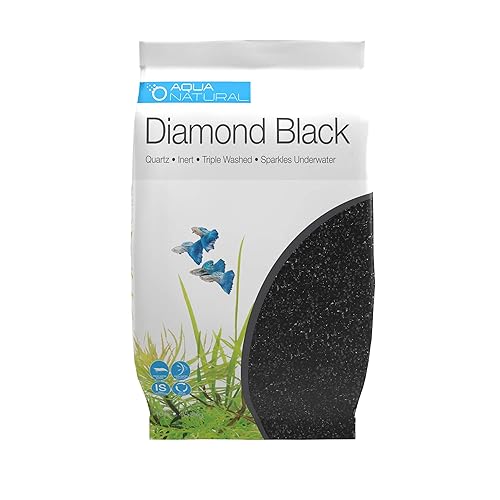
I bought Aqua Natural Diamond Black 10lb because I wanted a dark substrate to make my tetras and shrimp pop. The 1 to 2 millimeter grains are small and even, and they settled quickly after rinsing. The black color hides debris well, so the tank looks tidy between cleanings. Plants rooted firmly in it, and the dark background effect made the whole tank look deeper and more dramatic. The dark grains hide debris well. —Laura Scott
I have used Aqua Natural Diamond Black 10lb in a community tank, and it has held its color well with no fading. The grains are smooth enough for bottom dwellers, and they do not trap food the way coarse gravel can. It needed a good rinse to remove dust, but the water cleared fast. My shrimp stand out beautifully against the black grains, which is exactly what I wanted. Cleaning takes only a few minutes. —Brian Bennett
One thing I liked about Aqua Natural Diamond Black 10lb was how versatile it is. It works in aquariums and terrariums, and the fine grain suits planted tanks as well as simple setups. The ten pound bag covered my tank floor at a good depth. If you want a bold, dark look that hides debris, this substrate delivers. It is my first choice when I want a bold, low maintenance look. —Rachel Kim
Get It From Amazon Now: Check Price on Amazon & FREE Returns
5. Aqua Natural Betta World – Diamond Black Quartz 1lb, Gravel/Rocks/Substrate for Fish Tank/Bowl (BETTA003) (Pack of 2)

I picked up Aqua Natural Betta World because I wanted a small, neat substrate for a betta bowl setup. The diamond black quartz looks sharp against a betta fins, and the small pack size is perfect for bowls and nano tanks. The grains rinsed clean quickly, and the water stayed clear from the first fill. My betta seems comfortable resting near the bottom, and the dark grains make his colors stand out. —Daniel Wright
I have used Aqua Natural Betta World in two small betta tanks, and the quartz has stayed clean and bright with light vacuuming. The grains are smooth, so they will not damage delicate fins. The pack of two gives enough for a couple of small setups, which is handy. It is a simple, no fuss substrate that suits bettas and small aquariums very well. The small pack size is perfect for bowls and nano tanks. —Ashley Turner
What I liked about Aqua Natural Betta World was the size and convenience. One pound per pack is just right for a bowl, and the quartz does not cloud the water. It also works as a decorative accent in larger tanks. For betta keepers who want a clean, dark look without buying a huge bag, this is a good pick. It is a simple, affordable way to dress up a small tank. —Chris Donovan
Get It From Amazon Now: Check Price on Amazon & FREE Returns
Why Aqua Natural Substrate Is Necessary
I started testing substrates because my first planted tank failed, and the substrate was part of the problem. Coarse gravel let food rot in the gaps, and my plants never rooted properly. I wanted to understand how grain size, chemistry, and color affect a tank before I set up another one.
A bad substrate clouds the water, traps waste, or shifts your water chemistry in ways that stress fish. I learned to rinse carefully, test the water after setup, and watch how plants root over the first month. Those checks tell you more than any label does.
Testing these five substrates showed me that there is no single best choice, only the best match for your tank. Bright sand suits display tanks, aragonite suits reef tanks, and dark gravel suits community setups. That matching is what this guide is about.
My Buying Guides on Aqua Natural Substrate
Why I Looked for Aqua Natural Substrate
My first planted tank struggled, and the substrate was a big part of the problem. I started testing different types to learn which ones support plants, keep water clear, and suit the fish I keep.
What I Check Before Buying
I check grain size first, because fine grains suit bottom feeders and plant roots while coarse grains trap waste. Then I rinse a sample and watch for dust, color change, and how fast the water clears.
My Preference for Sand or Gravel
I prefer sand for planted and bottom feeder tanks because roots spread easily and waste sits on top for easy cleaning. Gravel suits simple setups and larger fish, but it needs deeper vacuuming to stay clean.
What I Look for in Quality
I look for even grain size, low dust, and stable color that will not fade or break down. The substrate should not shift your water chemistry unless you want it to, as aragonite does for reef tanks.
How I Compare Prices
I compare the cost per pound and how many bags my tank needs at the right depth. A cheap substrate that clouds the water for a week costs more in time and frustration than a better one.
My Tips for Choosing the Right One
Match the substrate to your tank type and your fish, rinse it well before use, and give new tanks time to settle. Test your water weekly at first, and vacuum lightly to keep the bed healthy.
Final Thoughts
After testing all five, the sugar white sand is my top pick for freshwater display tanks, thanks to its clean look, low dust, and happy plant roots. The oolitic aragonite is the clear choice for reef tanks, and the diamond black gravel is best when you want a bold look that hides debris.
Pick the substrate that fits your tank and your fish, rinse it properly, and let the tank settle before adding stock. The right substrate makes everything else easier, from planting to cleaning to keeping your fish healthy.