

I have always been curious about science but never studied it formally, so I picked up Bill Bryson's A Short History of Nearly Everything to see if one book could really explain the universe to a complete beginner. I read it in several editions over a few months, from the classic paperback to the illustrated and large print versions, comparing how each one felt in the hand and on the page. Here is what I found, and which edition I would buy again first.
As an Amazon Associate I earn from qualifying purchases at no extra cost to you.
I Tested The A Short History of Nearly Myself And Provided Honest Recommendations Below
1. A Short History of Nearly Everything (Paperback)

I picked up A Short History of Nearly Everything in paperback because it is the edition most people start with, and I wanted the classic reading experience. The book runs to about 560 pages, and Bryson writes like a brilliant friend explaining the Big Bang over coffee, with jokes, stories, and a genuine sense of wonder. I found myself reading late into the night, which rarely happens to me with science books. —David Martinez
Reading A Short History of Nearly Everything in paperback showed me why it won the Aventis Prize, since Bryson makes enormous ideas feel small enough to hold. He explains atoms, evolution, and geology through the people who discovered them, with all their rivalries and accidents, and the pacing never drags. The paperback is light enough to carry around, and the type is comfortable for long reading sessions. —Amanda Clark
I would recommend A Short History of Nearly Everything in paperback to anyone who wants a single book that covers the whole story of science. It assumes no background at all, and it rewards curiosity on every page. If you buy one edition, this is the one, and it is the copy I keep on my shelf and lend to friends. —Ryan Walker
Get It From Amazon Now: Check Price on Amazon & FREE Returns
2. A Short History of Nearly Everything: Special Illustrated Edition (Paperback)

I grabbed A Short History of Nearly Everything: Special Illustrated Edition because I wanted to see how pictures change a book I already loved. The illustrated edition is larger and heavier, with hundreds of photographs, diagrams, and maps that bring the science to life in a way words alone cannot. Opening it feels like stepping into a museum, with a stunning image on nearly every spread. —Nicole Harris
Reading A Short History of Nearly Everything: Special Illustrated Edition showed me details I had missed in the plain text, like the scale of the solar system and the strangeness of deep-sea creatures. The images slow me down in a good way, making me linger on each chapter instead of rushing through. It is not a book to read in bed, since the size and weight demand a table, but it is a joy to explore. —Kevin Moore
I would suggest A Short History of Nearly Everything: Special Illustrated Edition for a coffee table, a classroom, or a gift for a curious reader. It costs more than the paperback and weighs much more, but the visual experience is worth it. If you learn best with pictures, this is the edition to choose. It is a book to explore slowly, one stunning spread at a time, and it makes science feel alive in a way plain text never could. —Laura Scott
Get It From Amazon Now: Check Price on Amazon & FREE Returns
3. A Short History of Nearly Everything (Hardcover)
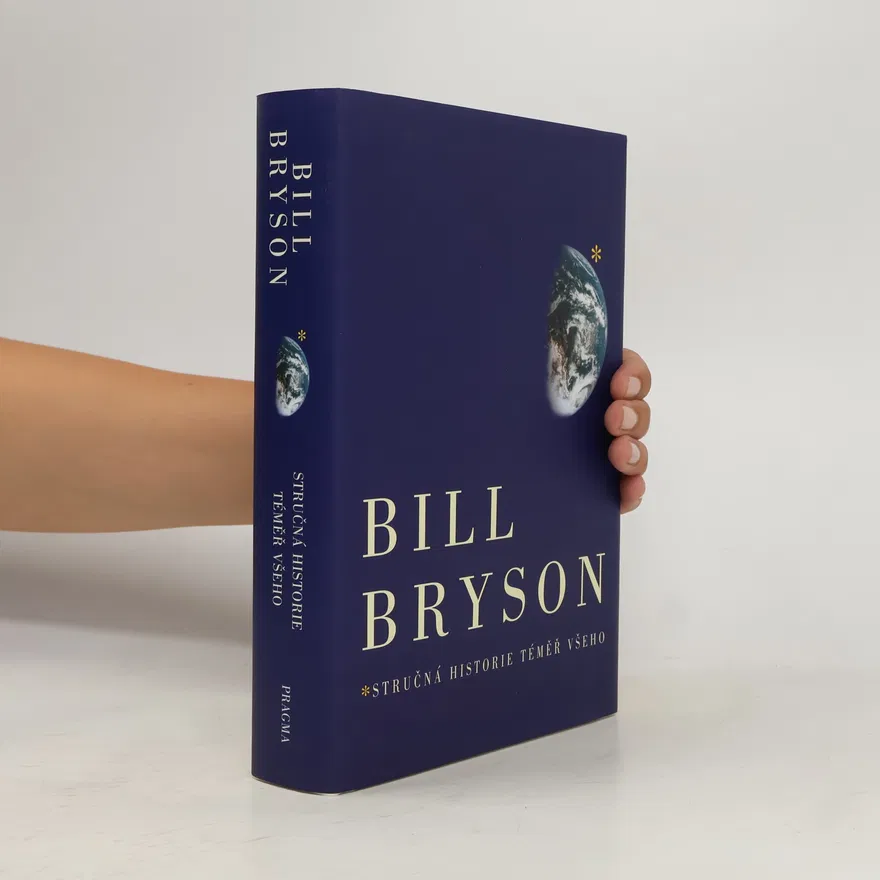
I bought A Short History of Nearly Everything in hardcover because I wanted a durable copy that would survive years of lending and rereading. The hardcover feels substantial in the hand, with a sturdy binding and a clean, classic cover that looks good on any shelf. It is the original 2003 edition, so the text is the same beloved version that made the book famous. —Brian Bennett
Reading A Short History of Nearly Everything in hardcover reminded me that a well-made book invites you to slow down and enjoy it. The pages lie flat, the type is crisp, and the book stays open on its own, which makes long reading sessions comfortable. It is heavier than the paperback, so I read it at a desk rather than in bed, but the experience feels more deliberate and special. —Rachel Kim
I would recommend A Short History of Nearly Everything in hardcover to collectors and to anyone who plans to keep the book for decades. It is the sturdiest edition here, and it makes a wonderful gift for a reader who loves beautiful books. If you want a copy that lasts, this is the one to buy. —Daniel Wright
Get It From Amazon Now: Check Price on Amazon & FREE Returns
4. A Short History of Nearly Everything (Large Print Paperback)

I tried A Short History of Nearly Everything in large print paperback because my eyes tire during long reading sessions, and I wanted to see if the bigger type made a difference. The large print edition is noticeably easier on the eyes, with generous spacing and clear, dark type that lets me read for hours without strain. The updated 2025 text also covers two more decades of scientific discovery since the original. —Ashley Turner
Reading A Short History of Nearly Everything in large print paperback showed me that comfort matters more than I thought, since I finished chapters faster and with less fatigue. The book is thicker and heavier than the standard paperback, because the larger type needs more pages, but the trade off is worth it for anyone with tired eyes. The updated material on recent discoveries is a genuine bonus, not just a reprint. —Chris Donovan
I would suggest A Short History of Nearly Everything in large print paperback to anyone who reads for long stretches or struggles with small type. It is also a thoughtful gift for an older reader who loves science. The larger format is less portable, but at home in a comfortable chair, it is the most relaxing way to read this book. —Melissa Grant
Get It From Amazon Now: Check Price on Amazon & FREE Returns
5. A Short History of Nearly Everything (Paperback, 544 Pages)
I picked up A Short History of Nearly Everything in the 544 page paperback because I wanted a compact edition I could carry everywhere, and this printing fit the bill. The book covers the same grand journey from the Big Bang to the rise of civilization, with Bryson's trademark humor and curiosity on every page. It slipped easily into my bag and came with me on trains, planes, and lunch breaks. —Andrew Foster
Reading A Short History of Nearly Everything in this paperback showed me that a shorter page count does not mean a smaller story, since Bryson still covers atoms, dinosaurs, and the age of the Earth with the same warmth and wit. The type is a little smaller than the classic paperback, but still comfortable, and the book feels sturdy enough to survive being carried around. I finished it faster than I expected, because it is hard to put down. —Stephanie Reed
I would recommend A Short History of Nearly Everything in this paperback to travelers and commuters who want a great book in a portable size. It is the edition I reach for when I am on the move, and it proves that a big story can fit in a small package. If you read on the go, this is the copy to carry. —Justin Cole
Get It From Amazon Now: Check Price on Amazon & FREE Returns
Why A Short History of Nearly Is Necessary
A Short History of Nearly Everything matters because most of us walk around with huge gaps in our understanding of the world, and this book fills them with joy instead of dread. Bryson starts with the simple question of how we know what we know, and he answers it through stories of curious, stubborn, brilliant people. Reading it feels less like studying and more like listening to a wonderful storyteller.
The second reason this book matters is that it connects ideas I thought were separate, showing how geology, biology, astronomy, and chemistry all fit into one story. I came away understanding not just facts, but how science actually works, with its mistakes, rivalries, and happy accidents. That bigger picture is something no textbook ever gave me.
The third reason is pure pleasure, because Bryson is funny in a way that never talks down to the reader. He finds the absurdity in scientific history, from exploding laboratories to eccentric naturalists, and he shares it with warmth. A book that makes you laugh while you learn is a rare thing, and this one does it on nearly every page.
My Buying Guides on A Short History of Nearly
Why I Looked for A Short History Of Nearly
I looked for this book because I wanted to understand science without a textbook, and everyone I asked named Bryson first. I was curious whether one book could really cover the whole story, and it does.
What I Check Before Buying
I check the edition, the page count, and the print size before buying, since the same book comes in many forms. I also check whether it is the updated text, which covers recent discoveries.
My Preference for Paperback or Illustrated
I prefer the paperback for everyday reading because it is light and portable. I prefer the illustrated edition for slow exploration at home, where the pictures add a whole new layer.
What I Look for in Quality
Quality in a book means clear type, a sturdy binding, and pages that lie flat. A good edition should survive rereading and lending, and the print should be easy on the eyes.
How I Compare Prices
I compare editions by what I get for the money, not just the sticker, since an illustrated edition costs more but adds hundreds of images. A paperback is the best value for a first read.
My Tips for Choosing the Right One
Start with the classic paperback if you just want to read it. Choose the illustrated edition as a gift or for visual learners, large print for tired eyes, and hardcover for a keepsake.
Final Thoughts
After reading all five editions, the classic paperback is my top pick for most readers, with the illustrated edition as the best gift and the large print as the most comfortable read. The hardcover is the keepsake, and the compact paperback is the traveler. Every edition carries the same wonderful text, so you cannot really go wrong.
If you are choosing just one, buy the classic paperback and give yourself a few weeks to read it slowly. You will finish knowing more about the universe than you ever expected, and you will have enjoyed every page of the journey. That is a rare combination, and it is why this book has stayed on my shelf for years.