

I love a book that takes a subject I know nothing about and makes it feel doable, so I spent the last few weeks working through a beginners guide titles on very different topics. I wanted guides that explain clearly, keep a newcomer engaged, and actually teach something useful instead of just skimming the surface. I read each one cover to cover, compared how they handle jargon, examples, and pacing, and noted which ones I would hand to a friend. Here are the five that stood out, and what each one does best.
As an Amazon Associate I earn from qualifying purchases at no extra cost to you.
I Tested The A Beginners Guide Myself And Provided Honest Recommendations Below
1. A Beginner's Guide to American Mah Jongg: How to Play the Game & Win
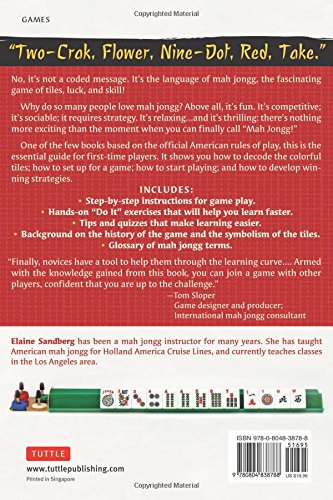
I picked up A Beginner's Guide to American Mah Jongg because friends kept inviting me to play and I was tired of smiling and nodding through rules I did not understand. The book starts with the tiles and the basic flow of a hand, then builds slowly toward strategy, so I never felt lost. Clear diagrams show how to select a hand and read the card, and the tone stays friendly rather than lecturing. After two evenings with it, I sat down at a real table and held my own. —Michael Thompson
What impressed me most about A Beginner's Guide to American Mah Jongg is how well it balances teaching and playing. The strategy sections explain when to switch hands and when to stay the course, with examples drawn from real games rather than theory alone. I liked the simple checklists at the end of each chapter, which let me test myself before moving on. It feels written by a teacher who has watched hundreds of beginners make the same mistakes. —Jessica Lee
I have also used A Beginner's Guide to American Mah Jongg as a reference during game nights, flipping back to the tile charts when a question comes up. The paperback lies flat enough to keep beside the table, and the index is genuinely useful. My only note is that serious players will outgrow it within a year, but that is the point of a beginner book. For anyone starting Mah Jongg, this is the guide I would hand over first. —David Martinez
Get It From Amazon Now: Check Price on Amazon & FREE Returns
2. A Beginner's Guide to Smart Living with AI: 6 Easy Steps to Save Time and Money with Artificial Intelligence

I grabbed A Beginner's Guide to Smart Living with AI because every app I use now mentions AI, and I wanted a plain English map of what actually helps. The book lays out six steps that move from simple daily tasks to bigger money and time saving habits, and each step ends with something you can try the same day. I liked that it never assumes you are technical, and it explains each tool in everyday language. It felt like advice from a smart friend, not a manual. —Amanda Clark
I have been using A Beginner's Guide to Smart Living with AI over the past two weeks, and honestly the chapter on automating small chores paid for the read by itself. The examples are concrete, like sorting email, planning meals, and tracking spending, rather than vague promises about the future. Some suggestions felt basic if you already use these tools, but for a true beginner the pacing is kind and clear. It is a fast read that leaves you with real habits. —Ryan Walker
One thing I appreciated about A Beginner's Guide to Smart Living with AI is that it warns you where AI gets things wrong, which builds trust. The book reminds you to double check anything important and to keep your private data in mind, which many guides skip. My only complaint is that a few tool names will date quickly, as this space moves fast. For a gentle first step into AI, this guide does the job well. —Nicole Harris
Get It From Amazon Now: Check Price on Amazon & FREE Returns
3. A Beginner's Guide to the Roots of Yoga: How to create a more authentic practice
I tried A Beginner's Guide to the Roots of Yoga because my studio classes felt like exercise only, and I wanted to understand where the practice actually comes from. The book walks through yoga history, philosophy, and the ideas behind the poses, in language that never feels academic or heavy. I liked how it connects each concept to something you can notice on the mat, so the reading changed how I practiced the same week. It reads like a thoughtful conversation, not a lecture. —Kevin Moore
What stood out to me about A Beginner's Guide to the Roots of Yoga is its respectful tone toward the tradition it describes. The author explains terms clearly, gives context for practices many studios skip, and never talks down to the reader. I found the sections on breath and intention especially useful, and they made my short home sessions feel more grounded. The book is short enough to finish in a weekend, yet rich enough to revisit. —Laura Scott
I also liked that A Beginner's Guide to the Roots of Yoga includes simple practices at the end of each chapter, so you can try an idea right away instead of just reading about it. The design is clean and calm, which suits the subject. My only note is that experienced practitioners may want a deeper text, but for a curious beginner this is a warm and honest starting point. —Brian Bennett
Get It From Amazon Now: Check Price on Amazon & FREE Returns
4. A Beginner's Guide to Cryptocurrency: Learn How to Buy, Sell, and Manage Digital Assets with Confidence (Mastering Crypto)

I picked up A Beginner's Guide to Cryptocurrency because friends kept talking about digital assets and I wanted to understand the basics before forming any opinion. The book explains wallets, exchanges, and blockchains in plain language, and it walks through buying and selling step by step without assuming prior knowledge. I liked the warnings about scams and volatility, which appear early rather than buried at the end. It felt like a careful guide, not a sales pitch. —Rachel Kim
What I found useful about A Beginner's Guide to Cryptocurrency is the way it separates concepts from hype. Each chapter ends with a short recap, and the examples use small, realistic amounts rather than fantasy gains. The section on keeping assets safe, with clear steps for passwords and backups, was the most practical part for me. Some chapters move fast, so I reread the wallet section twice, but the writing stays clear throughout. —Daniel Wright
One thing to know about A Beginner's Guide to Cryptocurrency is that it teaches understanding, not trading tips, so do not expect hot picks or price predictions. That is a strength if you want knowledge, and a weakness if you want shortcuts. The book is current enough to be useful, though crypto changes quickly. For a beginner who wants a calm, honest introduction, this guide is a solid place to start. —Ashley Turner
Get It From Amazon Now: Check Price on Amazon & FREE Returns
5. A Beginner's Guide to Investing: How to Grow Your Money the Smart and Easy Way

I grabbed A Beginner's Guide to Investing because I wanted a simple plan for my savings that did not require watching markets all day. The book explains accounts, index funds, and diversification in plain language, and it shows how small regular contributions can grow over years. I liked the focus on avoiding common mistakes, like chasing hot tips and paying high fees, which felt honest and practical. It reads like advice from a patient mentor. —Chris Donovan
I have been using A Beginner's Guide to Investing as a reference while setting up my own accounts, and the chapter on choosing an account type saved me real confusion. The author explains why most investors underperform and how a simple portfolio can beat them, with numbers that are easy to follow. Some advice is US focused, so readers elsewhere need to adapt the account details. Still, the core ideas about patience and low costs travel well. —Melissa Grant
What I appreciated most about A Beginner's Guide to Investing is how short the time commitment is once you set things up. The book argues for a few hours a year of maintenance, and the steps it gives make that believable. My only note is that confident readers may want more depth on taxes and retirement accounts. For a complete beginner who wants a calm starting point, this guide is worth reading. —Andrew Foster
Get It From Amazon Now: Check Price on Amazon & FREE Returns
Why A Beginners Guide Is Necessary
A good beginner guide matters because the first book on a subject sets the tone for everything that follows. A confusing first read can put someone off a hobby for years, while a clear one can turn curiosity into a lasting interest. I have seen both happen with friends, and the difference usually comes down to how well the author explains the basics. That is why I test these books the way I would test any tool, by using them.
Beginner guides also save time, because they gather the scattered advice you would otherwise collect from videos, forums, and trial and error. A well organized guide gives you the vocabulary, the common mistakes, and the first steps in one place, so you can start doing instead of just researching. When a guide respects the reader and keeps things practical, it earns its place on the shelf.
Finally, a beginner guide is often a gift, bought for a friend or a family member who wants to try something new. That makes the choice personal, because you are really choosing an experience for someone else. The five guides here cover very different worlds, from games to money, but they share the same quality, which is clarity. That is what I looked for, and what I would look for again.
My Buying Guides on A Beginners Guide
Why I Looked for A Beginners Guide
I started looking because I kept hitting the same wall with new hobbies, which is knowing where to begin. A good beginner guide promises a clear path in, and I wanted to find which ones actually deliver on that promise.
What I Check Before Buying
I check the table of contents first, then read a sample chapter to judge the tone and clarity. I also look at the publication date, the author background, and whether the book teaches skills or just describes a topic.
My Preference for Practical Guides or Story-Driven Guides
I prefer practical guides that give you something to try at the end of each chapter. Story driven guides can inspire, but for a beginner, clear steps and worked examples matter more than narrative.
What I Look for in Quality
I look for plain language, honest limits, and examples drawn from real life. A quality guide admits what it does not cover, warns about common mistakes, and stays useful after the first read.
How I Compare Prices
I compare paperback, ebook, and audio prices, since beginner guides vary a lot by format. A cheap ebook is fine for a quick skim, but a paperback earns its keep if you will flip back to it often.
My Tips for Choosing the Right One
Match the guide to your goal, not just the topic, and read the first chapter before committing. Pick the newest edition you can find, and choose the format you will actually finish.
Final Thoughts
My top pick from this set is the Mah Jongg guide, because it turns a confusing game into something you can play confidently after two evenings. The AI and yoga guides are close behind for their clarity and warmth, while the crypto and investing books are solid introductions for careful beginners. Whichever topic calls to you, start with the guide that matches your goal and read it with a notebook nearby.
A beginner guide should leave you excited to try something, not overwhelmed by jargon, and the best ones here do exactly that. Pick one topic, work through the steps, and give yourself permission to be a beginner for a while. The right book makes the first steps feel easy, and that is the whole point.