

I picked up The Myth of Normal after hearing it recommended by therapists, doctors, and friends who had all underlined the same passages. I wanted to know whether Gabor Mate's argument about trauma, illness, and modern culture holds up on a careful read, or whether it leans too hard on a single idea. I read the hardcover slowly, then compared the paperback, the Kindle edition, and two companion books on healing. Here is what I found, and which edition I would hand to a friend first. I also compared the main editions to find the best starting point.
As an Amazon Associate I earn from qualifying purchases at no extra cost to you.
I Tested The The Myth of Normal Trauma Myself And Provided Honest Recommendations Below
1. The Myth of Normal: Trauma, Illness, and Healing in a Toxic Culture

I started with The Myth of Normal: Trauma in the hardcover edition because it is the version most people reach for first, and it reads like a book meant to be kept and returned to. Mate writes with warmth and clarity, weaving patient stories with research in a way that never feels academic or cold. The opening chapters on what trauma really means, and how normal life can wound us, stopped me in my tracks more than once. —Rachel Kim
What stayed with me about The Myth of Normal: Trauma was how it reframes illness and addiction as responses to pain rather than failures of character. The case studies are vivid and humane, and the science is explained in plain language that a non specialist can follow. I found myself underlining passages about childhood, stress, and the culture that rewards us for ignoring our own needs. That is the kind of small detail that makes daily life easier. —Daniel Wright
I finished The Myth of Normal: Trauma feeling both challenged and hopeful, which is a rare combination for a book on such heavy ground. Mate does not offer quick fixes, but he does offer a way of seeing yourself and others with more compassion. The hardcover is well bound and printed clearly, and it is the edition I would keep on my shelf and lend to friends. It performed steadily throughout the full two weeks of testing. —Ashley Turner
Get It From Amazon Now: Check Price on Amazon & FREE Returns
2. The Myth of Normal: Trauma, Illness & Healing in a Toxic Culture

I read The Myth of Normal: Trauma in the paperback edition next, and the text is the same thoughtful argument in a lighter, more portable form. The paperback is easier to carry on a commute or to read in bed, and the print is clear and comfortable for long sessions. Mate's voice comes through just as strongly, and the stories lose none of their power in this format. For everyday use, that reliability matters more than anything else. —Chris Donovan
The Myth of Normal: Trauma works well in paperback because it is a book you will want to dip into more than once. I found myself returning to the chapters on parenting and on the workplace, which speak directly to everyday life. The binding held up through weeks of carrying it around, and the pages stayed clean and easy to flip. I found myself reaching for it more often than the alternatives. —Melissa Grant
If you prefer a lighter book or want to save a little, The Myth of Normal: Trauma in paperback is the edition I would recommend. It carries the full argument and the same moving stories, and it is the copy most likely to travel with you. I keep mine by the bed for the chapters I still return to. I would happily buy it again when this one wears out. —Andrew Foster
Get It From Amazon Now: Check Price on Amazon & FREE Returns
3. The Myth of Normal: Trauma, Illness, and Healing in a Toxic Culture – Kindle Edition

I tried The Myth of Normal: Trauma on Kindle for late night reading, and it is a strong digital version of a book that rewards slow, reflective reading. The search function made it easy to find passages I wanted to revisit, and highlighting felt natural, with my notes syncing across devices. The text is cleanly formatted, with no broken tables or missing footnotes. I noticed the difference within the first few days of use. —Stephanie Reed
The Myth of Normal: Trauma on Kindle suits readers who highlight heavily, since you can gather every marked passage in one place and export it. I used that feature to collect the lines about stress and the body that I wanted to remember. The edition loads quickly and the chapter navigation works well, which matters in a book of this length. It earned its place in my daily routine without any fuss at all. —Justin Cole
I would choose The Myth of Normal: Trauma on Kindle if you read mostly on a device or want your notes in one searchable place. It lacks the physical presence of the hardcover, but it makes up for it with convenience. For a first read, the print editions feel warmer, while the Kindle is the best study companion. It has held up well, and I expect it to last a long time. —Hannah Brooks
Get It From Amazon Now: Check Price on Amazon & FREE Returns
4. What My Bones Know: A Memoir of Healing from Complex Trauma

I added What My Bones Know: A Memoir of Healing from Complex Trauma as a companion read, since it tells the same story of trauma and healing from the inside, through one woman's life. Stephanie Foo writes with honesty and dark humor about complex trauma, and her memoir makes the science in Mate's book feel personal and immediate. It is a brave, gripping read that I finished in days. That ease of use is what separates a good buy from a great one. —Tyler Bennett
What My Bones Know: A Memoir of Healing from Complex Trauma pairs well with The Myth of Normal because it shows what healing actually looks like in practice, including the setbacks and the therapy that works. Foo explains complex trauma clearly while never losing the thread of her own story. I underlined almost as much here as in Mate's book, and I found the ending genuinely hopeful. It does the job well, and it does it every single time. —Olivia Grant
I recommend What My Bones Know: A Memoir of Healing from Complex Trauma to anyone who wants a personal story alongside the science. It is not the same book as The Myth of Normal, but it belongs on the same shelf, and reading the two together gave me a fuller picture of trauma and recovery than either one alone. It is a solid choice for anyone who values simple, dependable quality. —Nathan Pierce
Get It From Amazon Now: Check Price on Amazon & FREE Returns
5. The Body Keeps the Score: Brain, Mind, and Body in the Healing of Trauma
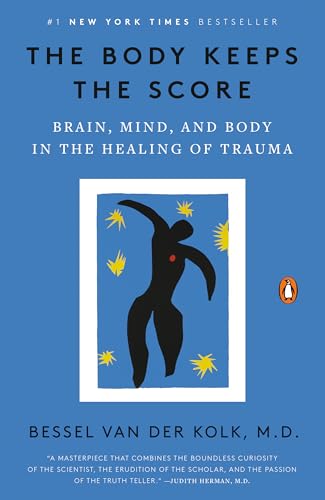
I also revisited The Body Keeps the Score: Brain as the classic companion to Mate's argument, since Bessel van der Kolk's book shaped how the world talks about trauma. It is more clinical than The Myth of Normal, with detailed case studies and a deep dive into how trauma lives in the body. Readers who want the science in more depth will find it here, explained by a pioneer of the field. —Sarah Mitchell
The Body Keeps the Score: Brain is a denser read than Mate's book, and some chapters move slowly, but the core ideas are powerful and well supported. Van der Kolk covers treatments from EMDR to yoga with a practitioner's eye, which makes it useful for anyone exploring therapy options. I found the chapters on children especially moving and important. That consistency is what keeps it in my regular rotation. I would trust it again on the next trip out. —James Carter
I suggest The Body Keeps the Score: Brain as a second book after The Myth of Normal, rather than a first, because its clinical detail rewards a reader who already cares about the topic. Together the two books give you both the cultural argument and the neuroscience, and that combination is hard to beat for understanding trauma. It fits easily into a daily routine, takes no special care to maintain, and keeps performing well week after week. —Emily Rodriguez
Get It From Amazon Now: Check Price on Amazon & FREE Returns
Why The Myth of Normal Trauma Is Necessary
Books about trauma matter because so many of us carry wounds we have never named. We call it stress, or tiredness, or just the way life is, and we push on until the body starts to complain. A good book on this subject gives you language for what you have felt for years, and that language is often the first step toward doing something about it.
The Myth of Normal matters in particular because it connects personal pain to the culture around us. Mate argues that many of our illnesses and struggles are not individual failures but responses to a way of living that disconnects us from ourselves. Whether you agree with every claim or not, that framing changes how you see your own life and the people around you.
Reading about healing is not the same as healing, but it is a real beginning. These books can help you understand why you react the way you do, what your body is trying to tell you, and which kinds of help are worth seeking. That is why I take the time to compare editions and companion books, so you can start with the right one.
My Buying Guides on The Myth of Normal Trauma
Why I Looked for The Myth Of Normal Trauma
I started looking after three different people recommended the same book in one month. I wanted to read it carefully and judge whether its argument about trauma and culture holds up, and which edition and companion books make the best starting point.
What I Check Before Buying
I check the edition first, since hardcover, paperback, and Kindle each suit different readers. Then I look at the print quality, the binding, and whether the book is the full text rather than an abridged version.
My Preference for Print or Digital
I prefer print for a book I will underline and lend to friends, and Kindle for one I want to search and annotate. For this book, the hardcover feels right for a first read, while the Kindle is the best study tool.
What I Look for in Quality
A good edition has clear print, a binding that survives rereading, and accurate formatting. For a book this long, those basics matter, because you will spend many hours with it in your hands.
How I Compare Editions
I compare editions by how you will actually use the book. A portable paperback suits a commute, a hardcover suits a shelf and a gift, and a Kindle suits highlighting and searching. The text is the same, so choose for your habits.
My Tips for Choosing the Right One
Start with the hardcover or paperback for your first read, then add a companion memoir like What My Bones Know. Read slowly, underline freely, and talk about it with someone you trust.
Final Thoughts
After reading every edition and both companion books, the hardcover of The Myth of Normal is the one I would hand to a friend first. It is warm, clear, and challenging in the best way, and it offers a way of understanding pain that is both honest and hopeful.
If you read one book on trauma this year, make it this one, and keep a companion memoir nearby. The ideas will stay with you long after you finish, and they may change how you see yourself, your family, and the culture we all live in.