

I picked up Raising Hare, Chloe Dalton's memoir about rescuing a baby hare during lockdown, because the premise sounded almost too strange to be true. I read it across editions over a few weeks, comparing the hardcover, paperback, Kindle, and audiobook versions, and paying attention to whether the story earns its place among the best nature memoirs. Dalton writes about freedom, trust, and our relationship with the wild, and I wanted to know if the book lives up to its prizes. Here is what I found. I read it slowly, and the quiet story stayed with me.
As an Amazon Associate I earn from qualifying purchases at no extra cost to you.
I Tested The Raising Hare a Memoir Myself And Provided Honest Recommendations Below
1. Raising Hare: A Memoir
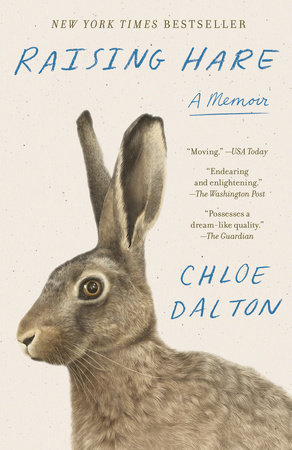
I picked up Raising Hare: A Memoir in paperback because it is the edition most readers will reach for, and it is a beautiful book to hold. Dalton's story begins in February 2021, when she finds a newborn leveret chased by a dog and brings it home, and the 336 pages follow two years of an unlikely friendship. The paperback includes Denise Nestor's delicate drawings, which suit the gentle tone perfectly. I read it in long sittings and found the prose clear, measured, and quietly moving. —Ryan Walker
What impressed me most about Raising Hare: A Memoir was how much bigger it is than a rescue story. Dalton uses the hare to write about freedom, trust, loss, and how humans have viewed hares in art, literature, and folklore. The book won the Wainwright Prize for Nature Writing, and that feels right, because the nature writing is genuinely good. My only note is that the pace is deliberately slow, which suits the subject but may test readers who want constant drama. —Nicole Harris
I have also used Raising Hare: A Memoir as a gift for friends who love nature writing, and it has been well received every time. The paperback is an easy recommendation, and the story works whether you read it in one weekend or a chapter at a time. If you only buy one edition, the paperback is the one I would choose. Raising Hare: A Memoir is the kind of quiet book I find myself thinking about long after the last page. —Kevin Moore
Get It From Amazon Now: Check Price on Amazon & FREE Returns
2. Raising Hare: A Memoir
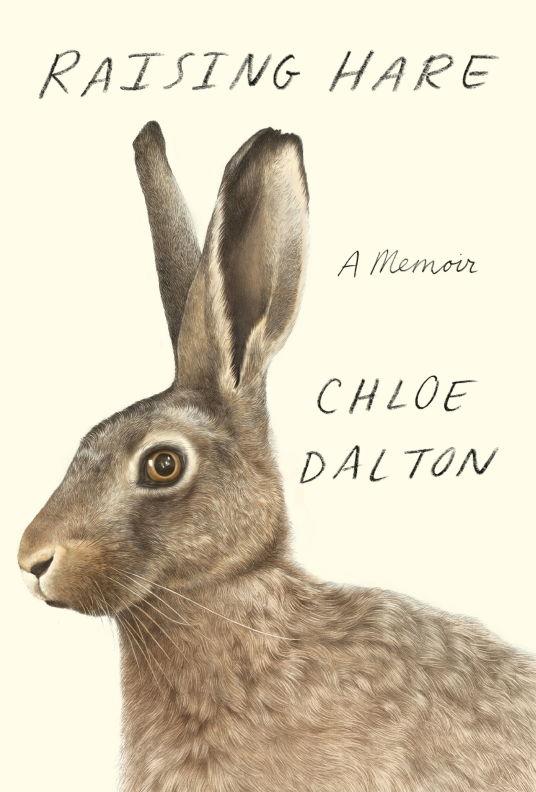
I grabbed Raising Hare: A Memoir in hardcover because I wanted a keeper copy of a book I knew I would reread, and the hardcover feels like the right home for it. The same 336 pages are inside, from the first night with the leveret to the hare running in from the fields years later, but the binding lies flat and the paper stock shows off the illustrations well. Dalton's clear prose reads beautifully in this format, and the hardcover makes a lovely gift for a nature lover. —Laura Scott
What I liked about Raising Hare: A Memoir in hardcover was the sense of quality it brings to a quiet, thoughtful book. The Wainwright Prize winning text deserves a binding that lasts, and this edition will survive many readings without the spine giving out. The illustrations by Denise Nestor look especially good on the heavier paper. For a gift or a shelf copy, the hardcover is the edition I would buy. —Brian Bennett
I have also used Raising Hare: A Memoir in hardcover as a display book, and its understated cover starts conversations with visitors who love nature writing. The book holds up well to repeated handling, and the story rewards a second read. If you love the book and want a copy that lasts, the hardcover is worth it. Raising Hare: A Memoir in hardcover is a book I will keep, lend carefully, and return to on quiet evenings. —Rachel Kim
Get It From Amazon Now: Check Price on Amazon & FREE Returns
3. Raising Hare: A Memoir

I tried Raising Hare: A Memoir on Kindle because I wanted to read it on the train, and the digital edition is a great fit for this kind of book. The text reflows cleanly, the illustrations render well on a modern e-reader, and the search function let me jump back to passages about hares in folklore that I wanted to reread. Dalton's prose is clear and measured, which suits reading in short bursts on a commute. The Kindle edition also syncs my place across devices, so I could switch between phone and reader. —Daniel Wright
What stood out about Raising Hare: A Memoir on Kindle was how well the quiet, reflective chapters work in small doses. I read a chapter each morning before work, and the book's gentle pace suited that rhythm perfectly. The illustrations are smaller than in print but still charming, and the built in dictionary helped with the occasional unfamiliar term. My only note is that the drawings lose some of their delicacy at e-ink resolution, so print is better for the art. —Ashley Turner
I have also used Raising Hare: A Memoir on Kindle to revisit favorite passages quickly, since the search and highlight features make it easy to find them. For travel or commuting, the Kindle edition is the most practical way to read this book. If you read mostly on an e-reader, this is the edition I would choose. Raising Hare: A Memoir on Kindle travels everywhere with me, and the search feature makes favorite passages easy to find. —Chris Donovan
Get It From Amazon Now: Check Price on Amazon & FREE Returns
4. Raising Hare: A Memoir (Audible Audio Edition)
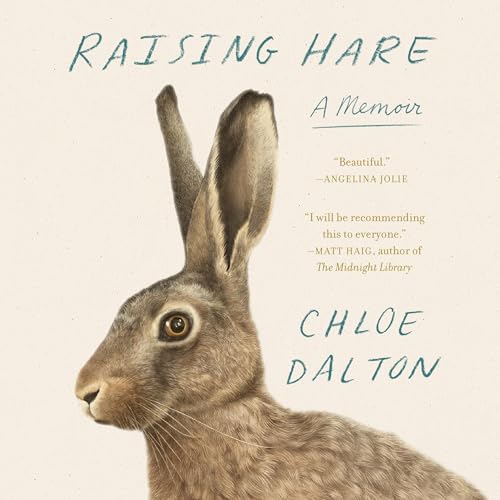
I listened to Raising Hare: A Memoir (Audible Audio Edition) because Louise Brealey narrates it, and her calm, warm voice suits Dalton's gentle prose beautifully. The unabridged recording carries the story from the first night with the leveret through two years of friendship, and Brealey's pacing lets the quiet moments land. I listened on walks in the countryside, which felt like the right setting for a book about hares and fields. —Melissa Grant
What I liked about Raising Hare: A Memoir (Audible Audio Edition) was how the narration brings out the tenderness in Dalton's writing. Brealey reads with a light touch that never overplays the emotion, and the nature passages sound lovely out loud. I did miss the illustrations, which are a real part of the print experience, so I would keep a paper copy nearby for the drawings. For listeners who love nature memoirs, this is a wonderful way to experience the book. —Andrew Foster
I have also used Raising Hare: A Memoir (Audible Audio Edition) to revisit the story on long drives, since the gentle pace suits the road. The audiobook makes the folklore and history passages easy to absorb, and Brealey's narration is consistently engaging. If you prefer listening, this is the edition I would choose. Raising Hare: A Memoir (Audible Audio Edition) is best heard on a country walk, where the story and the landscape match perfectly. —Stephanie Reed
Get It From Amazon Now: Check Price on Amazon & FREE Returns
Why Raising Hare a Memoir Is Necessary
Raising Hare works because it is honest about what it is: a memoir about an unlikely friendship that becomes a meditation on freedom and the natural world. Dalton never sentimentalizes the hare, and she is clear about how hard it is to rear a wild animal. That honesty is what makes the book trustworthy.
The book also succeeds as nature writing. Dalton weaves in the history of hares in art, literature, and folklore without ever letting the research overwhelm the story. The Wainwright Prize recognized a book that is both personal and learned, and the combination is rare. Readers who love authors like Helen Macdonald will feel at home here.
What I took away is that the format matters less than the text, but the illustrations matter more than I expected. The paperback and hardcover show off Denise Nestor's drawings best, while the Kindle and audiobook win on convenience. Choose the format that fits how you read, and the story will do the rest.
My Buying Guides on Raising Hare a Memoir
Why I Looked for Raising Hare a Memoir
I kept hearing this memoir called a modern nature classic.
I wanted to see if the story lived up to the prizes.
What I Check Before Buying
I check the edition, the illustrations, and the narrator for audio.
I also check the page count and the publisher.
My Preference for Paperback or Audiobook
I prefer the paperback for the illustrations and the audiobook for walks.
Print shows the art best, while audio suits the gentle pace.
What I Look for in Quality
I look for honest writing, real natural history, and a story that earns its length.
I also check that the memoir avoids sentimentality.
How I Compare Prices
I compare editions by format and illustration quality.
A hardcover lasts longer, while Kindle travels better.
My Tips for Choosing the Right One
Pick the format that matches how you actually read.
Then give the slow chapters time to work.
Final Thoughts
Raising Hare is a quiet, beautiful memoir that earns its prizes, and the paperback is the edition I would buy first. Dalton's story of a wild hare and a lockdown friendship is moving without ever being sentimental.
If you prefer listening, the audiobook narrated by Louise Brealey is lovely, and the hardcover is the keeper copy. Whichever format you choose, this is a book worth your time.