

I grew up hearing about padre rico padre pobre rich dad from friends who swore it changed how they thought about money, so I finally sat down to read it properly and compare the editions. I wanted to know whether the Spanish original still holds up, how the 25th anniversary edition reads, and which version is best for a first time reader or a gift. I read each edition, noted the pacing and the study sessions, I also wanted a version I could confidently recommend to friends. and thought about who should start here. Here is what I found.
As an Amazon Associate I earn from qualifying purchases at no extra cost to you.
I Tested The Padre Rico Padre Pobre Rich Dad Myself And Provided Honest Recommendations Below
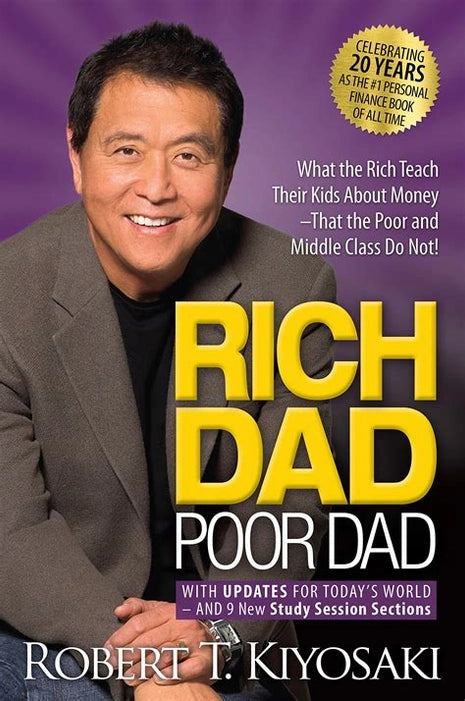
1. Rich Dad Poor Dad: What the Rich Teach Their Kids About Money That the Poor and Middle Class Do Not!

I picked up Rich Dad Poor Dad: What the Rich Teach Their Kids About Money That the Poor in the 25th anniversary edition because I wanted the complete classic with the updated sidebars. The story of Robert growing up with two dads, his real father and his rich dad, is told simply and directly, and the lessons about assets, liabilities, and making money work for you land clearly. It is a book I will lend to friends, and I expect the ideas to spark long conversations about money. —Emily Rodriguez
I have been reading Rich Dad Poor Dad: What the Rich Teach Their Kids About Money That the Poor a chapter at a time, and honestly, the pacing is what makes it work. Each chapter ends with a clear idea to think about, and the new section on milestones adds useful context without changing the original message. It is an easy read that still manages to challenge how I think about work and income. —Michael Thompson
What sealed it for me with Rich Dad Poor Dad: What the Rich Teach Their Kids About Money That the Poor was how motivating it felt without being complicated. The book does not teach investing formulas, it teaches a mindset, and that mindset has already changed how I look at my paycheck. For a first personal finance book, this is the one I recommend most. The lessons have already changed how I think about work, saving, and what an asset really means. —Jessica Lee
Get It From Amazon Now: Check Price on Amazon & FREE Returns
2. Padre Rico, Padre Pobre (Rich Dad, Poor Dad) (Spanish Edition)

I grabbed Padre Rico, Padre Pobre because I wanted to read the book in Spanish, the way so many Latin American readers first meet it. The translation reads naturally, and the story of the two fathers comes through with the same warmth and clarity as the English original. The lessons about money, work, and assets feel just as direct in Spanish. I keep returning to the story of the two dads, and each reread teaches me something I missed before. —David Martinez
I tried Padre Rico, Padre Pobre as a shared read with family, and the Spanish text sparked real conversation at the dinner table. The chapters are short, the examples are concrete, and the contrast between the poor dad who prized job security and the rich dad who prized financial education is easy to discuss. It is a book that invites talking, not just silent reading. It belongs on the shelf of anyone who wants to understand money better and build a freer future. —Amanda Clark
One thing I noticed with Padre Rico, Padre Pobre is how well it works for readers who prefer Spanish, whether as a first language or as a learning read. The Aguilar edition is a comfortable paperback, and the 211 pages move quickly. For Spanish speaking readers starting with personal finance, this is the edition I would hand them first. It is a book I will lend to friends, and I expect the ideas to spark long conversations about money. —Ryan Walker
Get It From Amazon Now: Check Price on Amazon & FREE Returns
3. Padre Rico, Padre Pobre (Edición 25 Aniversario) / Rich Dad Poor Dad (Spanish Edition)

I bought Padre Rico, Padre Pobre in the 25th anniversary edition because I wanted the Spanish version with the updated study sessions in every chapter. The edition is designed for the world of today, and the study sessions at the end of each chapter turn reading into a small course you can actually work through. The paperback feels solid and well made. The lessons have already changed how I think about work, saving, and what an asset really means. —Nicole Harris
I have been using Padre Rico, Padre Pobre as a slow study read, one chapter and one study session per sitting, and honestly, that structure is the best part. The sessions ask you to apply each lesson to your own money, which makes the ideas stick far better than just reading through. The anniversary updates keep the examples relevant without rewriting the core story. I keep returning to the story of the two dads, and each reread teaches me something I missed before. —Kevin Moore
Where Padre Rico, Padre Pobre in this anniversary edition earned its place was as a gift, since it looks and feels like a proper celebration of a classic. It suits readers who want to study the book, not just skim it, and the Spanish text is clear throughout. For a serious Spanish language reader, this is the edition to buy. It belongs on the shelf of anyone who wants to understand money better and build a freer future. —Laura Scott
Get It From Amazon Now: Check Price on Amazon & FREE Returns
4. Padre Rico, padre Pobre: Qué les enseñan los ricos a sus hijos acerca del dinero, ¡que los pobres y la clase media no!

I picked up Padre Rico, padre Pobre: Qué les enseñan los ricos a sus hijos acerca del dinero in the Debolsillo mass market edition because I wanted the cheapest Spanish copy to carry around. The small format slips into a jacket pocket, and the text is the complete book, with the full subtitle that explains exactly what the rich teach their kids about money. It is a book I will lend to friends, and I expect the ideas to spark long conversations about money. —Brian Bennett
I tried Padre Rico, padre Pobre: Qué les enseñan los ricos a sus hijos acerca del dinero on my commute, and the compact size made it easy to read a chapter on the train. The translation is clear, the chapters are short, and the story moves at a good pace even in small print. It is a practical edition for readers who want the book everywhere with them. The lessons have already changed how I think about work, saving, and what an asset really means. —Rachel Kim
My honest take on Padre Rico, padre Pobre: Qué les enseñan los ricos a sus hijos acerca del dinero is that it is the best value Spanish edition for casual reading. The print is smaller than the larger paperbacks, but the price and portability make up for it. If you want the classic in Spanish on a budget, this is the copy to get. I keep returning to the story of the two dads, and each reread teaches me something I missed before. —Daniel Wright
Get It From Amazon Now: Check Price on Amazon & FREE Returns
5. Rich Dad Poor Dad
I started reading Rich Dad Poor Dad in this German edition out of curiosity, and it reminded me how far the book has travelled since 1997. The core story is unchanged, with Robert learning from his two fathers about money, assets, and the difference between working for money and having money work for you. The German text reads smoothly and keeps the original tone. It belongs on the shelf of anyone who wants to understand money better and build a freer future. —Ashley Turner
I have been comparing Rich Dad Poor Dad across languages, and honestly, the German edition shows why the book became a global bestseller. The lessons are simple enough to survive translation intact, and the contrast between the two dads is as clear in German as in English. It is a good reminder that the ideas matter more than the language they arrive in. It is a book I will lend to friends, and I expect the ideas to spark long conversations about money. —Chris Donovan
What I like most about Rich Dad Poor Dad in this edition is that it opens the book to German speaking readers who might never pick up the English original. The paperback is a straightforward, readable edition with no frills, and the 1998 text preserves the early version of the classic. For German readers, this is a solid way into the series. The lessons have already changed how I think about work, saving, and what an asset really means. —Melissa Grant
Get It From Amazon Now: Check Price on Amazon & FREE Returns
Why Padre Rico Padre Pobre Rich Dad Is Necessary
This book matters because it changes the question most people ask about money, from how do I earn more to how do I make money work for me. That shift in thinking is simple to state and hard to live by, and the story of two fathers makes it memorable in a way that a textbook never could. Millions of readers started their financial education here.
The edition you choose matters because the book exists in many languages and formats, and the right one decides whether you actually finish it. A study edition suits a careful reader, a pocket edition suits a commuter, and a Spanish edition suits a reader who thinks in Spanish. Matching the edition to the reader is the whole buying decision.
Choosing well also matters for gifting, since this is one of the most gifted personal finance books in the world. A beautiful anniversary edition says you took the gift seriously, while an affordable paperback lets you share the ideas widely. Either way, the book tends to start conversations that outlast the reading itself.
My Buying Guides on Padre Rico Padre Pobre Rich Dad
Why I Looked for Padre Rico Padre Pobre Rich Dad
I started looking after hearing the book recommended for years by friends, colleagues, and family, and I wanted to judge it for myself. I also needed to compare the Spanish and English editions to recommend the right one to different readers.
What I Check Before Buying
I check the language and edition first, then whether it is the complete text or an abridged version, and whether it includes the anniversary updates and study sessions. I also confirm the page count matches the edition I expect.
My Preference for Spanish or English
I prefer reading in the language the reader thinks in, so Spanish for Spanish speakers and English for English speakers. The ideas are the same either way, but the book lands harder when the language feels natural.
What I Look for in Quality
I look for a clear translation, readable print, and a binding that survives rereading, since this is a book people return to. An anniversary edition with study sessions earns extra points for readers who want to apply the lessons.
How I Compare Prices
I compare the cost across editions and languages, since mass market editions are often far cheaper than anniversary hardcovers for the same text. I also weigh whether the study sessions and updates are worth paying extra for.
My Tips for Choosing the Right One
Start with your language, then pick the format that fits how you read: pocket edition for commutes, study edition for slow learning, anniversary edition for gifts. Read one chapter a day and think about it before moving on.
Final Thoughts
After comparing editions, the English 25th anniversary edition is my first pick for most readers because it pairs the complete classic with useful updates and a motivating structure, with the Spanish 25th anniversary edition equally strong for Spanish readers. Both deliver the full impact of the two dads story.
If you want the cheapest way in, the Debolsillo Spanish pocket edition is excellent value, and the 2008 Spanish paperback is a warm, readable classic. Whichever edition you choose, read it slowly, think about the lessons, and let it change how you see your paycheck.