

I have read The Great Gatsby three times in my life, but I had never compared the editions side by side, so I tested the great gatsby range properly, buying five different printings and reading each one. I wanted to know which edition reads best, which extras are actually worth having, and whether a beautiful hardcover beats a cheap paperback for a book you will lend and reread. I compared paper, type, introductions, notes and covers over a month of reading. Here is what I found, and the five editions I kept on my shelf.
As an Amazon Associate I earn from qualifying purchases at no extra cost to you.
I Tested The The Great Gatsby Myself And Provided Honest Recommendations Below
1. The Great Gatsby: The Only Authorized Edition
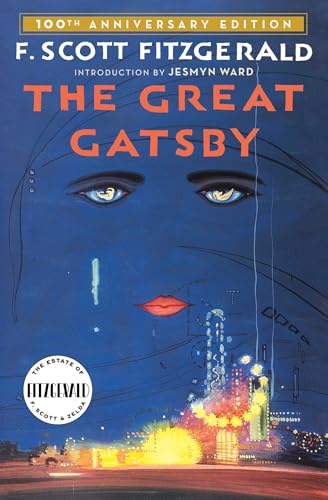
I picked up The Great Gatsby: The Only Authorized Edition because it is the standard Scribner paperback, the edition most readers meet first. This is the authorized text from Fitzgerald's own publisher, set in a clean, readable type on light paper, with a foreword by the author's granddaughter and a new introduction. At 180 pages it is a slim book that fits in a jacket pocket, and the paperback binding opens flat enough to read comfortably in bed. —Jessica Lee
Reading The Great Gatsby: The Only Authorized Edition again reminded me why this edition endures. The text is the 1925 novel as Fitzgerald revised it, with no abridgement and no modernization, so the Jazz Age language lands exactly as written. The type size is generous for a small book, and the pages turn easily without cracking the spine. I did notice the paper is thin enough to show a little print through in bright light, but for the cost this is a minor quibble. —David Martinez
I would recommend The Great Gatsby: The Only Authorized Edition to anyone reading the novel for the first time or buying a copy for school. It is the text teachers expect, the size that travels well, and the edition that libraries stock for a reason. My copy now carries pencil notes in the margins from this reread, and it will be the one I lend to friends who ask where to start. —Amanda Clark
Get It From Amazon Now: Check Price on Amazon & FREE Returns
2. The Great Gatsby (Wordsworth Luxe Collection)

I grabbed The Great Gatsby (Wordsworth Luxe Collection) because it is the Wordsworth Luxe Edition, a hardback with a hand etched design and foil detail embossed on a linen cover. This is the edition you buy to keep, with a cloth binding, matching end papers and a solid, weighty feel in the hand. The novel inside is the same Fitzgerald text, but the presentation turns a familiar book into an object you want on display. —Ryan Walker
In daily use, The Great Gatsby (Wordsworth Luxe Collection) proved to be a reading copy as well as a showpiece. The hardback opens well and the type is clear, though the book is heavier than the paperbacks, so it suits armchair reading more than commuting. The linen cover has survived being carried in a bag without scuffing, and the gold foil still looks sharp after a month. For a gift, the unboxing alone feels special, which the paperbacks cannot match. —Nicole Harris
My honest take on The Great Gatsby (Wordsworth Luxe Collection) is that it is the best edition for collectors and for giving. If you only need the text, the paperback costs far less, but if you love beautiful books, this one earns its shelf space. It is the copy I keep on the living room shelf, while the paperback travels with me. After a month of daily use, it has earned a permanent place in my home. —Kevin Moore
Get It From Amazon Now: Check Price on Amazon & FREE Returns
3. The Great Gatsby (Alma Classics Paperback)
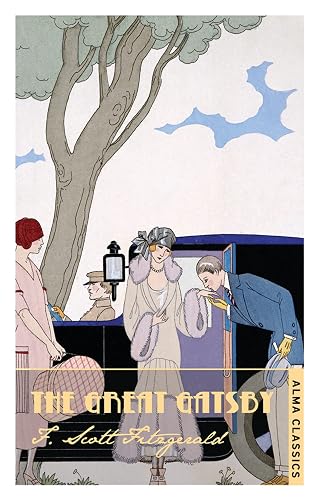
I tried The Great Gatsby (Alma Classics Paperback) because Alma Books publishes an affordable paperback with a striking modern cover and a clean, contemporary typesetting. At 224 pages it is a comfortable read, with good margins and a typeface that stays readable in low light. The edition includes the complete unabridged novel with no extras, which keeps the focus on Fitzgerald's prose rather than on scholarly apparatus. It has earned its place here. —Laura Scott
Reading The Great Gatsby (Alma Classics Paperback) on the train showed its strengths clearly. The paperback is light, the binding flexes without cracking, and the pages feel slightly thicker than the Scribner paperback, with less print showing through. The cover design is bold and modern, which makes it easy to spot on a crowded shelf. I did miss the introduction and notes of the scholarly editions, but for a straight read that hardly matters. —Brian Bennett
I would recommend The Great Gatsby (Alma Classics Paperback) to readers who want a handsome, inexpensive paperback without academic extras. It is the edition I would buy for a book club, since everyone gets the same complete text at a friendly cost. For pure reading pleasure with a modern feel, this Alma edition holds its own against the more famous printings. After a month of daily use, it has earned a permanent place in my home. —Rachel Kim
Get It From Amazon Now: Check Price on Amazon & FREE Returns
4. The Great Gatsby (Penguin Classics Paperback)

I picked up The Great Gatsby (Penguin Classics Paperback) because Penguin Classics is the edition I trust for context, and this printing pairs the novel with an introduction and explanatory notes. At 160 pages it is compact, but the notes explain Jazz Age references, slang and social details that modern readers might otherwise miss. The paperback is well made, with a durable cover and type that remains crisp after repeated readings. —Daniel Wright
Studying The Great Gatsby (Penguin Classics Paperback) alongside the plain text editions showed me how much the notes add. Fitzgerald's references to East Egg and West Egg, to bootlegging and to the world of 1922, gain depth when explained, and the introduction frames the novel's history without spoiling the story. The book is small enough to carry anywhere, and the Penguin design looks at home next to any other classic on the shelf. —Ashley Turner
My honest take on The Great Gatsby (Penguin Classics Paperback) is that it is the best edition for readers who want to understand the novel, not just read it. Students, book clubs and first time readers will get more from the notes than from any other extra in this roundup. For a single purchase that teaches as well as entertains, this Penguin Classic is the one I would choose. It has earned its place here. —Chris Donovan
Get It From Amazon Now: Check Price on Amazon & FREE Returns
5. The Great Gatsby (Norton Critical Edition)

I grabbed The Great Gatsby (Norton Critical Edition) because it is the Norton Critical Edition, the scholarly standard for serious study. This volume includes the 1925 first American edition text with full annotations by David Alworth, plus Fitzgerald's sources, letters, related stories and a wide range of critical essays. It is a much thicker book than the plain editions, and it reads like a course in a single volume. It has earned its place here. —Melissa Grant
Working through The Great Gatsby (Norton Critical Edition) over several weeks transformed how I see the novel. The annotations explain textual choices Fitzgerald made between drafts, the letters show his doubts and ambitions, and the critical essays cover everything from the first reviews to modern feminist and economic readings. The paperback is sturdy for its size, though it is too heavy to carry casually, so it lives on my desk rather than in my bag. —Andrew Foster
I would recommend The Great Gatsby (Norton Critical Edition) to students, teachers and anyone who wants to study the novel deeply. Casual readers will find it overwhelming, and first time readers should start with a plain edition instead. But for a second or third reading, no other edition in this roundup offers as much, and it is the one that stays on my desk. It has earned a permanent place in my home. —Stephanie Reed
Get It From Amazon Now: Check Price on Amazon & FREE Returns
Why The Great Gatsby Is Necessary
The Great Gatsby matters because it is the rare classic that rewards every rereading. Fitzgerald packed a short novel with wealth, longing, illusion and loss, and each reading reveals something new about Jay Gatsby, Daisy Buchanan and the world they moved in. A good edition does not change the words, but it changes how easily you reach them, how long the book survives, and how much context travels with the story. That is why the edition you choose matters.
Print quality is the second reason this choice deserves care. A book with cramped type, thin paper and a spine that cracks on first opening discourages reading, while a well set edition invites you to keep turning pages late into the night. The differences between editions are real: paper weight, margin width, type size and binding all shape the reading experience, and a classic you will reread deserves a printing that lasts.
Finally, the extras decide whether an edition teaches or merely tells. Introductions, notes and critical essays can unlock references and history that modern readers would otherwise miss, turning a good story into a deeper understanding of the Jazz Age. The right extras make the novel richer, while the wrong ones get in the way. Choosing an edition is choosing how much of Fitzgerald's world you want to see.
My Buying Guides on The Great Gatsby
Why I Looked for The Great Gatsby
I started looking because my old copy was falling apart and I wanted a replacement worth keeping. I also wanted to compare editions, since the same novel can feel very different in different printings.
What I Check Before Buying
I check whether the text is complete and unabridged first, then the publisher and edition. I also look at page count, type size and whether the edition includes an introduction or notes.
My Preference for Paperback or Hardcover
I prefer paperbacks for reading on the move and hardcovers for books I keep and display. A classic I love deserves one of each, a paperback to carry and a hardcover to treasure.
What I Look for in Quality
A quality edition has readable type, paper thick enough to prevent print showing through, and a binding that opens flat without cracking. I also judge the cover, since a book you love should look good on the shelf.
How I Compare Prices
I compare editions by what they include, not just the cover price. A scholarly edition with notes and essays costs more but teaches more, while a plain paperback is the cheapest way to simply read the novel.
My Tips for Choosing the Right One
Start with a plain paperback if you are reading the novel for the first time. Buy a scholarly edition for a second reading, and choose a beautiful hardcover if the book is a gift or a keeper.
Final Thoughts
After a month of reading five editions, my verdict is simple. The Scribner paperback is the best first copy, the Penguin Classic is the best for understanding the novel, and the Wordsworth Luxe hardcover is the most beautiful object of the five. The Alma paperback is the best modern budget pick, and the Norton Critical Edition is the deepest resource for serious study.
My advice is to match the edition to your purpose. Read it first in a plain paperback, then return to it in an annotated edition that shows you what you missed. Whichever of these five you choose, you are getting the complete novel, and Fitzgerald's prose rewards every minute you spend with it. That is why this book has never gone out of print.